
Chemical Blending: Custom Formulations vs. Pre-Mixed Products
For independent water treatment professionals and OEMs, chemical blending vs pre mixed formulas is a question of application fit. The decision involves matching chemistry to

For independent water treatment professionals and OEMs, chemical blending vs pre mixed formulas is a question of application fit. The decision involves matching chemistry to
For independent water treatment professionals and OEMs, choosing a chemical supplier affects every customer account they support. Product consistency, access to technical expertise, and dependable
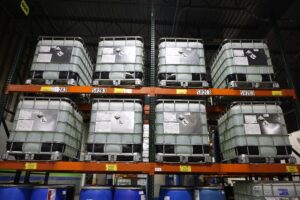
For independent water treatment companies, expanding into chemical sales can create new opportunities to serve existing customers more completely while strengthening recurring revenue. However, adding
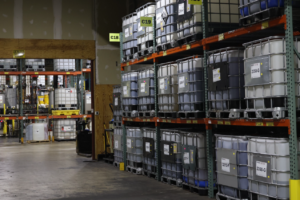
For water treatment professionals, choosing how to source chemicals can shape more than purchasing costs. It can influence brand control, customer relationships, inventory risk, product

Microbial growth in cooling towers and industrial water systems can contribute to fouling, corrosion, and reduced performance. For independent water treatment professionals, comparing non oxidizing
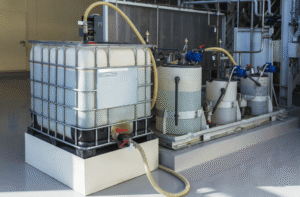
Choosing a disinfectant involves more than comparing chemical prices. Changes in water chemistry, operating pH, and disinfectant demand can affect how a treatment program performs.