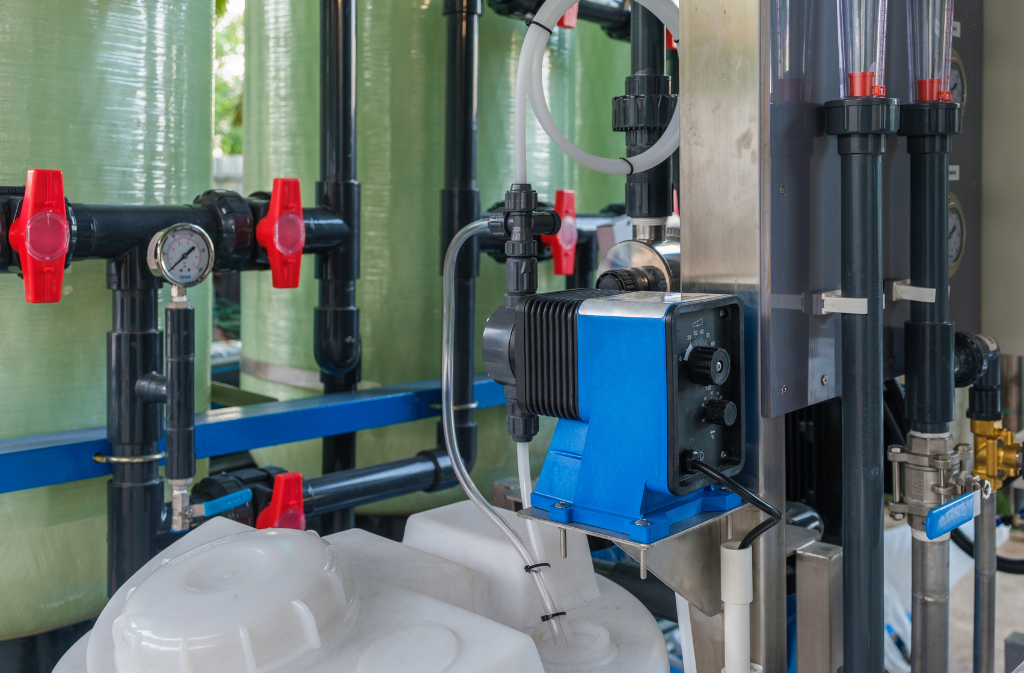
Water systems can support bacteria, viruses, fungi, algae, and other harmful pathogens when operating conditions allow microbial growth. In industrial, commercial, process, and drinking water applications, effective water disinfection helps reduce waterborne pathogens, protect equipment, support water quality, and limit the spread of disease-causing microorganisms.
Different water disinfection methods vary in how they work, how quickly they act, and whether they provide residual protection after treatment. Chemical approaches such as chlorine, bromine, chlorine dioxide, and non-oxidizing biocides are often compared with physical methods such as ultraviolet radiation and membrane filtration. Selecting the right approach depends on the contaminants present, water chemistry, system design, contact time, operating conditions, and regulatory requirements. Understanding these differences helps water treatment professionals develop safer, more reliable microbial-control programs.
What Is Water Disinfection?
Water disinfection is the process of reducing or inactivating disease-causing microorganisms in a water system. Depending on the application, the goal may be to control bacteria, viruses, fungi, algae, or other viable microorganisms that can affect public health, equipment performance, product quality, or system reliability.
Disinfection is different from filtration, purification, and sterilization. A mechanical filter may remove suspended particles and some microbes, while a broader water purification process may combine filtration, activated carbon, reverse osmosis, and chemical treatment. Sterilization is intended to eliminate all viable microorganisms, whereas the disinfection of water focuses on reducing pathogenic microorganisms to an acceptable level for the intended use.
A proper disinfection program should help:
- Reduce harmful microbial populations
- Limit biofilm formation and microbial regrowth
- Protect downstream equipment and processes
- Maintain water quality throughout the system
Major Water Disinfection Methods Compared
Water treatment professionals use both chemical and physical disinfection methods to control microorganisms. Each option differs in speed, residual protection, compatibility, operating requirements, and suitability for specific water systems.
Chlorine-Based Disinfection
Chlorine disinfection is one of the most established forms of chemical disinfection. Common chlorine-based chemicals include chlorine gas, sodium hypochlorite, and calcium hypochlorite. Once added to water, these chlorine compounds form free chlorine species that react with microbial cells and help kill microorganisms.
A key advantage of chlorination is its ability to provide residual disinfection throughout a distribution system. However, performance depends on pH, contact time, water temperature, and chlorine demand. Organic compounds, ammonia, hydrogen sulfide, and other contaminants present in the water can consume free chlorine and reduce the available free chlorine residual. Excessive chlorine may also contribute to corrosion, taste or odor concerns, and harmful byproducts, so residual chlorine must be carefully monitored.
Bromine-Based Treatment
Bromine-based disinfecting agents are commonly used in cooling towers and other open recirculating systems. Bromine can remain effective under some higher-pH conditions where chlorine becomes less active, making it useful for industrial systems with elevated alkalinity or variable water temperature.
As with other chemical methods, bromine treatment requires controlled feed, adequate contact time, and routine residual monitoring. Organic impurities and high microbial loading can increase disinfectant demand and reduce effective disinfection.
Chlorine Dioxide
Chlorine dioxide is a strong oxidizing disinfectant used in drinking water treatment, process water, and selected industrial applications. It can control bacteria, odors, slime, and some biofilm-related conditions across a relatively broad pH range.
Unlike conventional chlorine compounds, chlorine dioxide reacts selectively with certain organic molecules and reduced substances such as hydrogen sulfide. This may reduce the formation of some chlorinated organic byproducts, although chlorite and chlorate must still be monitored. Because chlorine dioxide is commonly generated onsite, proper equipment design, ventilation, feed control, and operator training are essential.
Ozone Treatment
Ozone treatment uses a highly reactive form of oxygen to oxidize microorganisms and selected organic contaminants. Ozonation can rapidly inactivate many waterborne pathogens and may also help address color, taste, odor, iron, manganese, and some organic impurities.
The main limitation of ozone is that it does not provide lasting residual disinfection. Once ozone reacts or decomposes, treated water may require another disinfectant to maintain water quality in downstream piping or storage. Ozone must also be generated onsite, which increases equipment, energy, and safety requirements.
UV Disinfection
UV disinfection uses ultraviolet radiation to damage the genetic material of microorganisms and prevent replication. Because UV light does not add chemicals to the water, it avoids many taste, odor, and chemical-storage concerns associated with traditional disinfecting agents.
The effectiveness of UV radiation depends on water clarity and the delivered dose. Turbidity, suspended solids, scale, organic matter, or fouled lamp sleeves can shield waterborne pathogens and reduce treatment performance. UV disinfection also leaves no residual protection, so flowing water may become recontaminated after leaving the reactor unless another control method is used.
Non-Oxidizing Biocides and Supplemental Chemicals
Non-oxidizing biocides control microorganisms through targeted cellular mechanisms rather than broad oxidation. Depending on the chemistry, they may disrupt cell membranes, interfere with enzymes, or inhibit microbial metabolism. These products are particularly relevant to cooling water, process systems, and industrial applications where alternating or supplemental chemical treatment is needed.
Other oxidizing chemicals, including hydrogen peroxide and potassium permanganate, may support water treatment in specific applications. However, they are not interchangeable with chlorine, bromine, or chlorine dioxide. Product selection should account for target organisms, system metallurgy, water chemistry, contact time, discharge conditions, and approved use requirements.
Comparing Chemical and Physical Disinfection Methods
The table below summarizes how common water disinfection methods differ in treatment type, residual protection, application fit, and operating limitations.
| Method | Treatment Type | Residual Protection | Best-Suited Applications | Main Advantage | Main Limitation |
|---|---|---|---|---|---|
| Chlorine | Chemical oxidation | Yes | Drinking water, process water, wastewater, and distribution systems | Established, measurable, and widely available | Performance is affected by pH, chlorine demand, and byproduct formation |
| Bromine | Chemical oxidation | Yes | Cooling towers and open recirculating systems | Effective across a broader pH range than chlorine in some systems | Requires controlled feed, monitoring, and compatibility review |
| Chlorine dioxide | Chemical oxidation | Limited | Drinking water treatment, process water, odor control, and biofilm management | Strong activity across a broad pH range | Often requires onsite generation and byproduct monitoring |
| Ozone | Chemical oxidation | No | Primary disinfection, taste and odor control, and oxidation of selected contaminants | Rapid and powerful microbial inactivation | Provides no lasting residual and requires specialized equipment |
| UV | Physical inactivation | No | Drinking water, process water, and membrane-based systems | No chemical addition or conventional halogenated byproducts | Performance declines when water is cloudy, fouled, or poorly maintained |
| Non-oxidizing biocides | Chemical control | Product-dependent | Cooling water, process systems, and industrial microbial control | Targeted treatment for specific organisms and operating conditions | Effectiveness depends on chemistry, contact time, and system compatibility |
These comparisons provide a useful starting point, but no method should be selected from a table alone. Effective disinfection depends on water quality, contact time, contaminants present, system design, operating conditions, and compliance with approved product-use requirements.
How to Select the Right Water Disinfection Method
Selecting among water disinfection methods requires more than comparing kill rates or chemical costs. The most appropriate option must fit the water chemistry, system design, target organisms, operating conditions, and level of residual protection required.
Evaluate Water Chemistry
Water quality directly affects how disinfecting agents perform. Important factors include:
- pH and alkalinity
- Water temperature
- Turbidity and suspended solids
- Organic matter and organic impurities
- Ammonia and hydrogen sulfide
- Dissolved salts
- Oxidant or chlorine demand
For example, high chlorine demand can reduce free chlorine before the disinfectant reaches the intended treatment point. Organic compounds and reduced substances may also consume oxidants, making proper dose control and residual monitoring essential.
Review the System Design
The physical design of the water system influences contact time, circulation, and the potential for microbial regrowth. Water treatment professionals should consider:
- Open, closed, once-through, or recirculating operation
- Distribution system length and water age
- Flow rate and available contact time
- Stagnant zones and dead legs
- Materials of construction
- Membranes, seals, coatings, and downstream equipment
A method that performs well in a treatment vessel may not provide the same control throughout a complex distribution system.
Define the Treatment Objective
The disinfection process should match the actual treatment goal. Some systems need rapid shock treatment, while others require continuous microbial control, residual disinfection, biofilm management, or protection for membranes and downstream processes.
Consider Safety and Regulatory Requirements
Chemical treatment programs must account for storage, handling, operator exposure, discharge limitations, and compatibility with downstream biological treatment. Products used for water disinfection should also follow Environmental Protection Agency label requirements and all applicable site-specific regulations.
Why Disinfection Requires More Than Chemical Feed
Disinfection can be less effective when microorganisms are protected by sediment, mineral scale, corrosion products, organic contaminants, or mature biofilm. These deposits can shield viable microorganisms from disinfecting agents, increase chemical demand, and prevent proper contact between the treatment and affected surfaces.
Filtration and membrane technologies can improve the disinfection process by removing suspended material and reducing the contaminants present. A mechanical filter, activated carbon system, or reverse osmosis unit may support water purification, but these technologies do not always replace chemical disinfection or other microbial controls.
A complete treatment approach may include:
- Evaluate the system, water quality, and level of contamination.
- Remove sediment, deposits, and accumulated organic matter.
- Apply the selected disinfectant at the correct concentration.
- Provide adequate circulation and contact time.
- Measure chemical residuals and microbiological conditions.
- Adjust the program based on operating data and treatment results.
This integrated approach helps ensure that disinfection occurs throughout the system rather than only at the chemical feed point.
Water Disinfection Support for Treatment Professionals
Eastern Technologies, Inc. supports independent water treatment companies, distributors, and OEMs with the chemistry, technical expertise, and regulatory guidance needed to build effective microbial-control programs. ETI operates as a manufacturer and technical partner, helping professionals serve their customers without competing for end-user accounts.
Relevant capabilities include:
- More than 35 oxidizing and non-oxidizing biocide chemistries
- Chlorine- and bromine-based oxidizers
- Custom water treatment blends
- Biopenetrants and biodispersants that support biofilm control
- EPA and state registration assistance
- Private-label and manufacturer-label options
- Biofilm monitoring tools
- Custom chemical blending for cooling, process, wastewater, and membrane systems
- Laboratory analysis, application guidance, field troubleshooting, and program optimization
ETI also helps partners evaluate water chemistry, contamination risk, product compatibility, dosing requirements, and monitoring strategies. Its ISO 9001-certified manufacturing, flexible packaging, and technical support allow water treatment professionals to deliver application-specific solutions with greater confidence.
Contact ETI Water to strengthen your microbial-control programs with dependable chemistry, regulatory support, and a technical team committed to your success.
Frequently Asked Questions (FAQs)
What is the difference between water disinfection and water purification?
Water disinfection focuses on reducing or inactivating pathogenic microorganisms, while water purification is a broader process that may also remove particles, dissolved salts, organic contaminants, and other impurities. A complete water purification process may combine a mechanical filter, activated carbon, reverse osmosis, and chemical or physical disinfection.
Does UV light provide residual disinfection?
No. UV disinfection uses ultraviolet radiation to inactivate microorganisms only as water passes through the treatment chamber. Because UV light leaves no residual disinfection in the distribution system, another control method may be needed to prevent microbial regrowth or recontamination.
How does water quality affect chlorine disinfection?
Water temperature, pH, organic compounds, ammonia, hydrogen sulfide, and other contaminants can increase chlorine demand and reduce the free chlorine residual available for effective disinfection. Monitoring residual chlorine helps confirm that enough disinfectant remains after these reactions occur.
Can household bleach be used to disinfect drinking water?
Household bleach or liquid bleach may be referenced in emergency guidance for household drinking water, but treatment instructions should come from a public health authority because product strength and the contaminants present can vary. Industrial and commercial drinking water supplies require controlled dosing, monitoring, and products approved for the intended application.
Are filtration and reverse osmosis enough to remove all microbes?
A mechanical filter or reverse osmosis system may remove many particles and waterborne pathogens, but neither method should be assumed to eliminate all viable microorganisms under every condition. Proper disinfection and routine monitoring may still be needed to maintain water quality and control microbial regrowth.