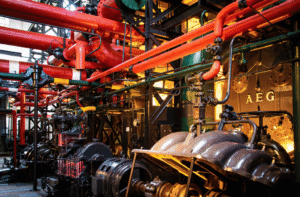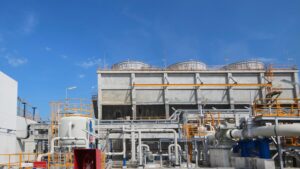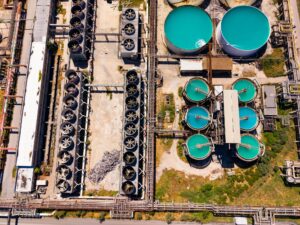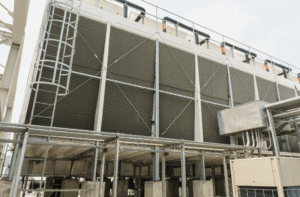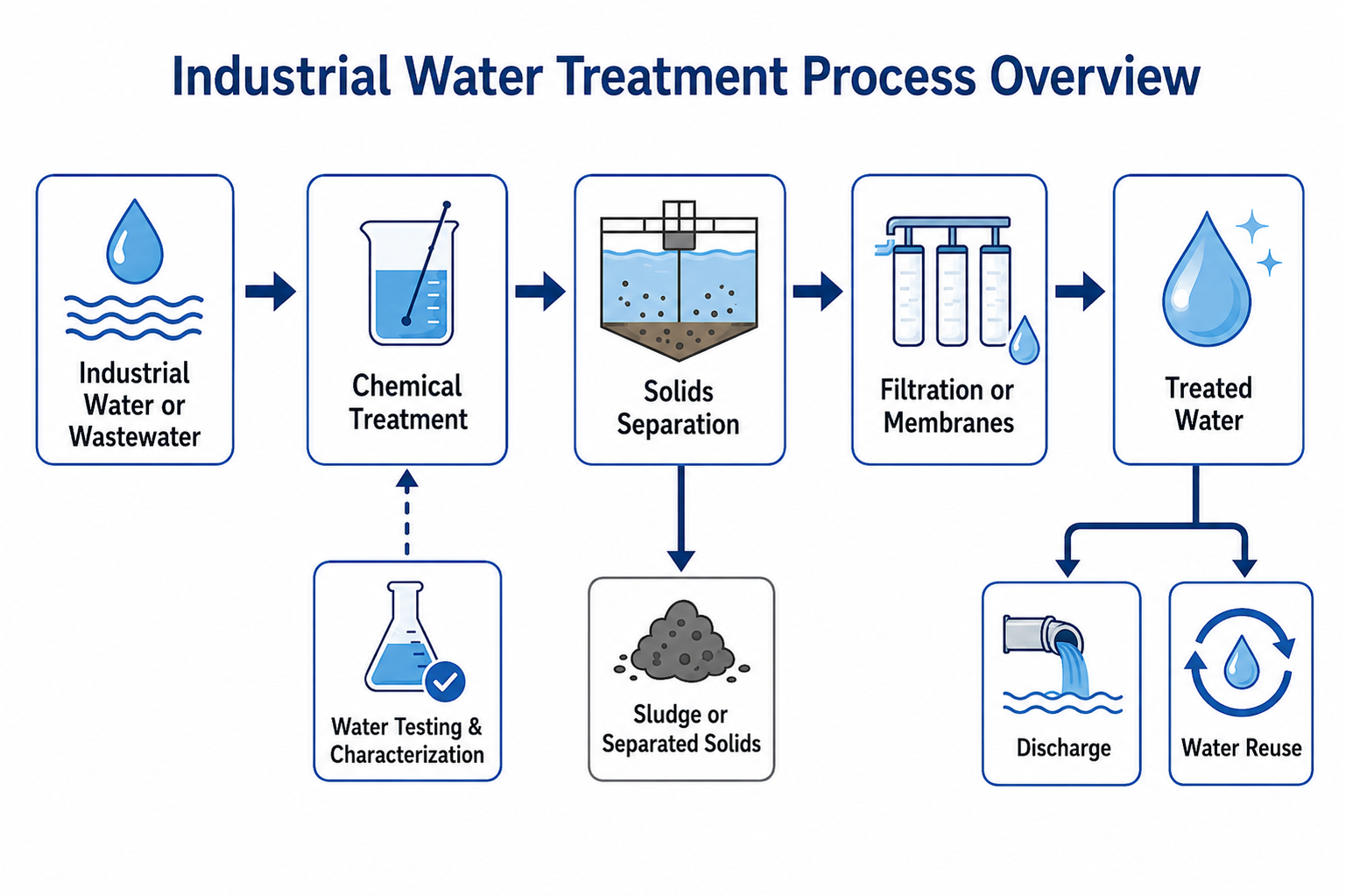
Environmental water treatment plays a critical role in protecting water quality, supporting industrial operations, and reducing the effects of water pollution on human health and natural ecosystems. Industrial and commercial facilities use water for cooling, processing, cleaning, rinsing, boiler operation, and many other applications. Once used, that water may contain suspended solids, dissolved metals, organic matter, microorganisms, oils, or treatment chemicals that must be controlled before discharge, reuse, or further processing.
An effective water treatment approach depends on the source water, contaminants present, operating conditions, regulatory requirements, and the intended use of the treated water. Some facilities focus on wastewater treatment before releasing effluent to a municipal system or nearby water bodies, while others use treatment technologies to conserve water resources and support internal reuse. Because conditions differ between facilities, treatment programs must combine suitable chemistry, equipment, monitoring, and process control rather than rely on one universal solution.
What Is Environmental Water Treatment?
Environmental water treatment refers to the physical, chemical, and biological methods used to improve water quality by removing contaminants, controlling pollutants, and preparing water for discharge, reuse, or further processing. In industrial settings, the water treatment process may begin with raw water entering a facility and continue through process water, cooling water, wastewater, and treated water intended for another use. The exact treatment systems required depend on the contaminants present, the quality of the untreated water, facility operating parameters, and the final treatment objective.
Unlike drinking water treatment, which focuses on making water suitable for human use, industrial water treatment may address a much wider range of conditions. Facilities may need to reduce suspended solids, control biological growth, remove dissolved metals, protect equipment from scale and corrosion, or treat wastewater before it enters a municipal sewer or receiving environment. Some operations also use advanced water treatment systems to recover water for cooling, rinsing, or other non-potable applications.
The main objectives of environmental water treatment include:
- Removing or reducing harmful contaminants
- Protecting water bodies and natural ecosystems
- Supporting regulatory and discharge requirements
- Improving the reliability of treatment equipment
- Conserving water resources through reuse
- Producing treated water that meets its intended quality requirements
Because industrial water chemistry can change with production schedules, raw materials, cleaning cycles, and flow conditions, treatment programs must be monitored and adjusted over time. Effective results depend on selecting compatible technologies, applying the correct chemistry, and maintaining consistent process control.
Why Environmental Water Treatment Matters
Industrial and commercial facilities can generate wastewater containing suspended solids, heavy metals, oils, organic matter, microorganisms, and other harmful substances. Without adequate treatment, untreated or partially treated water may affect water bodies, interfere with downstream infrastructure, and create risks for public health and the surrounding environment.
Protecting Water Bodies and Natural Ecosystems
Water pollution can reduce oxygen levels, alter water chemistry, damage aquatic habitats, and introduce harmful contaminants into rivers, lakes, and groundwater. Effective treatment helps limit the release of hazardous substances and supports the long-term protection of natural ecosystems.
Supporting Regulatory Requirements
Many facilities must meet discharge limits before releasing wastewater to a municipal sewer system or receiving water. A properly managed treatment program helps control pollutant levels, maintain required operating records, and respond to changes in wastewater quality that could affect compliance with applicable regulatory requirements.
Protecting Human Health and Infrastructure
Industrial contaminants can affect downstream drinking water sources and increase the treatment burden placed on public utilities. Harmful bacteria, hazardous chemicals, and corrosive substances may also damage piping, pumps, tanks, and other treatment equipment if they are not properly controlled.
Conserving Water and Other Resources
Many facilities are working toward environmental sustainability by reducing freshwater withdrawals, improving water reuse, and lowering waste generation. Well-designed water treatment programs can also support energy efficiency by limiting fouling, improving heat transfer, extending equipment life, and reducing unnecessary cleaning or chemical use.
These benefits show why environmental treatment is not limited to a single treatment plant or final discharge point. It is an ongoing process that connects water quality, regulatory responsibility, operational reliability, and responsible resource use across the entire facility.
Common Contaminants in Industrial Water and Wastewater
Industrial water and wastewater can contain a wide range of contaminants depending on the raw materials, production methods, cleaning practices, and treatment chemicals used at a facility. Identifying the contaminants present is essential because each category behaves differently and may require a different treatment process.
| Contaminant category | Common examples | Potential concerns | Common treatment approaches |
|---|---|---|---|
| Suspended solids | Sediment, fibers, rust, precipitated particles | Turbidity, deposits, clogged equipment, poor discharge quality | Coagulation, flocculation, clarification, flotation, and filtration |
| Dissolved metals | Iron, copper, zinc, nickel, chromium | Toxicity, staining, corrosion, and regulatory concerns | pH adjustment, chemical precipitation, ion exchange, and membrane filtration |
| Organic matter | Oils, grease, food residues, solvents, process byproducts | Odor, oxygen depletion, biological growth, and elevated BOD or COD | Biological treatment, flotation, activated carbon, and advanced oxidation processes |
| Microorganisms | Bacteria, algae, fungi, and microbial pathogens | Biofilm, odor, corrosion, pathogenic risk, and process contamination | Biocides, UV light, filtration, and biological control |
| Dissolved minerals | Calcium, magnesium, silica, and other salts | Scale, membrane fouling, reduced heat transfer, and equipment damage | Softening, antiscalants, ion exchange, and reverse osmosis |
| Persistent contaminants | Selected volatile organic compounds and per- and polyfluoroalkyl substances | Environmental persistence, difficult removal, and potential human health concerns | Granular activated carbon, specialized ion exchange media, membrane technologies, and other validated treatment technologies |
Treatment selection should never be based on particle size or contaminant category alone. Concentration, pH, flow rate, temperature, competing ions, organic loading, and discharge requirements can all affect performance.
Persistent compounds such as polyfluoroalkyl substances, or PFAS, require especially careful evaluation. No single technology removes every PFAS compound equally, so pilot testing and site-specific analysis are often necessary before selecting activated carbon, ion exchange, or membrane-based treatment systems.
Core Environmental Water Treatment Technologies
Environmental water treatment relies on a combination of physical, chemical, and biological treatment technologies. The right sequence depends on the contaminants present, required water quality, treatment equipment, and whether the final goal is discharge, reuse, or additional purification.
Coagulation and Flocculation
Coagulation and flocculation are commonly used to remove fine suspended particles that do not settle easily on their own. During coagulation, chemicals such as aluminum sulfate or ferric chloride neutralize the electrical charges that keep small particles dispersed in water.
Flocculation follows as a separate treatment step. Gentle mixing encourages destabilized particles to combine into larger flocs, which can then be removed through sedimentation, flotation, or filtration. Coagulant type, dosage, pH, mixing energy, and wastewater composition must be evaluated carefully because overdosing or poor process control can reduce treatment efficiency and increase sludge production.
Sedimentation, Flotation, and Filtration
After particles form larger flocs, they must be separated from the water. The treatment process selected depends on particle density, particle size, oil content, flow conditions, and the design of the treatment plant.
- Sedimentation allows dense flocs and solids to settle by gravity.
- Dissolved air flotation introduces fine air bubbles that lift oils, grease, and lighter solids to the surface.
- Sand filters and other filtration media capture remaining suspended solids as water passes through the filter bed.
These methods are often used together because clarification may remove most solids while filtration provides additional polishing before discharge or downstream treatment.
Activated Carbon Treatment
Activated carbon removes selected contaminants through adsorption, a process in which dissolved compounds collect on the carbon’s porous surface. It may help reduce color, odor, natural organic matter, certain volatile organic compounds, and other organic contaminants that are difficult to remove through conventional clarification alone.
Granular activated carbon is commonly used in fixed-bed vessels, while powdered activated carbon may be added directly to a treatment process and later removed with solids. Performance depends on the carbon type, contact time, contaminant concentration, competing organic matter, and the frequency of media replacement or regeneration.
Membrane Filtration and Reverse Osmosis
Membrane filtration separates contaminants using a semi-permeable barrier. Different membrane technologies remove different materials based on pore size, charge, molecular characteristics, and applied pressure. Microfiltration and ultrafiltration generally target suspended particles and larger microorganisms, while nanofiltration and reverse osmosis remove a high proportion of dissolved salts and small molecules.
Reverse osmosis can produce high-quality treated water for reuse or further processing, but it requires effective pretreatment. Suspended solids, hardness, silica, organic matter, and biological growth can foul or scale the membrane surface. Pressure requirements also affect energy consumption, so membrane systems must be designed and operated according to feedwater quality and recovery goals.
Ion Exchange and Specialized Adsorption
Ion exchange uses resin media to replace selected dissolved ions with other ions held on the resin surface. It may be applied for water softening, demineralization, dissolved-metal control, and the removal of certain targeted contaminants.
Resin performance depends on water chemistry, contaminant concentration, competing ions, flow rate, and regeneration practices. Specialized adsorption media may also be used when conventional resins do not provide the required selectivity.
Biological Treatment and Disinfection
Biological wastewater treatment uses microorganisms to break down biodegradable organic matter. Depending on the application, treatment systems may use suspended-growth processes, attached-growth media, bioaugmentation, or combinations of biological and physical treatment technologies.
Disinfection may be required to control harmful bacteria, pathogenic bacteria, and other microbial pathogens after solids and organic loading have been reduced. Common options include:
- Oxidizing and non-oxidizing biocides
- UV light
- Advanced oxidation processes
Advanced oxidation processes generate highly reactive species that can break down certain resistant organic contaminants. These technologies can be effective in specialized applications, but they may require higher energy input, precise operating control, and pilot testing to confirm performance.
How an Effective Water Treatment Program Is Developed
An effective water treatment program begins with a clear understanding of the water source, treatment objective, and operating conditions. Because raw water and wastewater quality can vary over time, the treatment process should be based on testing, monitoring, and verified performance rather than assumptions.
- Characterize the water source.
Test the raw water or wastewater for pH, suspended solids, dissolved metals, organic matter, hardness, microbial activity, and other relevant parameters. - Identify the contaminants present.
Determine which substances must be removed, reduced, neutralized, or controlled. Their concentration, form, and variability can affect the selection of treatment technologies. - Define the treatment objective.
Facilities may need to meet discharge limits, prepare water for reuse, protect downstream treatment equipment, or improve the quality of final products. - Review regulatory requirements.
Wastewater treatment plants, industrial facilities, and other water treatment facilities may be subject to different discharge, monitoring, and reporting obligations. - Conduct laboratory or pilot testing.
Jar testing and pilot testing can help compare chemicals, dosages, contact times, and treatment system configurations before full-scale implementation. - Select compatible technologies and chemistry.
The selected treatment step may involve coagulation, filtration, biological treatment, membrane separation, ion exchange, or a combination of methods. - Establish operating parameters.
Feed rates, pH ranges, flow conditions, pressure, temperature, and contact time should be defined for stable performance. - Monitor and adjust the program.
Treated water should be tested regularly to confirm that the treatment system continues to meet quality and compliance objectives.
A treatment program is not a one-time setup. Changes in production, seasonal conditions, influent quality, or chemical loading may require adjustments to keep the system effective and reliable.
Improving Sustainability, Water Reuse, and Resource Recovery
Environmental water treatment can support environmental sustainability by helping facilities use water, chemicals, and energy more efficiently. However, sustainability depends on the performance of the complete treatment system, including water quality goals, waste generation, energy consumption, chemical dosage, and the final destination of the treated water.
Many facilities evaluate whether suitable treated water can be reused for cooling, equipment washing, rinsing, or other non-potable applications. Reuse can reduce freshwater demand and wastewater discharge, but the required treatment level depends on the intended application. Water that is acceptable for one process may still contain contaminants that could cause scaling, corrosion, fouling, or product-quality problems elsewhere.
A well-managed treatment program may help facilities:
- Reduce freshwater withdrawals
- Increase appropriate water reuse
- Lower wastewater discharge volumes
- Improve solids separation and resource recovery
- Reduce unnecessary chemical use
- Limit energy consumption
- Extend the life of treatment equipment
- Improve overall energy efficiency
Resource recovery can also involve separating reusable water, recoverable materials, or concentrated waste streams from wastewater. In some cases, improved treatment may reduce the volume of sludge or other residuals that require disposal.
Environmental water treatment therefore plays a vital role in achieving environmental sustainability, but each reuse or recovery strategy should be evaluated carefully. Technical feasibility, regulatory requirements, water quality, system compatibility, and long-term operating costs must all be considered before implementation.
How ETI Supports Environmental Water Treatment Professionals
Eastern Technologies, Inc. supports independent water treatment companies, distributors, and OEMs with the chemicals, technical expertise, and manufacturing capabilities needed to manage complex industrial water and wastewater applications. As a non-competing B2B partner, ETI works behind water treatment professionals rather than selling directly to their end-user customers.
ETI provides a broad range of products for pollutant removal, solids separation, microbial control, membrane protection, and wastewater optimization, including:
- Inorganic, organic, and blended coagulants for clarification and suspended solids removal
- Cationic and anionic flocculants for settling, dissolved air flotation, sludge dewatering, and oil-water separation
- Heavy metal precipitation products and treatment blends
- Bioaugmentation products for organic loading, grease control, sludge reduction, and biological system stability
- Oxidizing and non-oxidizing biocides for controlling harmful bacteria and biological growth
- Oil treatment, emulsion-breaking, grease, and odor-control products
- Membrane antiscalants, cleaners, and microbial-control products for reverse osmosis systems
- Custom alkalinity, pH-control, and dispersant formulations for wastewater and process-water applications
ETI also helps its partners evaluate and optimize treatment programs through laboratory testing, jar testing, field trials, dosing recommendations, water analysis, troubleshooting, and operator training. Its custom chemical blending capabilities allow products to be tailored to specific contaminants, water chemistry, treatment equipment, operating parameters, and discharge objectives.
Contact ETI Water to discuss custom wastewater chemistry, technical support, or treatment products that can help your business solve difficult environmental water treatment challenges.
Frequently Asked Questions (FAQs)
What is the difference between water treatment and wastewater treatment?
Water treatment prepares raw or untreated water for drinking water, industrial processes, cooling, or other forms of human use. Wastewater treatment focuses on removing contaminants from dirty water after it has been used so it can be discharged, reused, or sent for further treatment.
Can treated industrial wastewater be reused?
Treated water may be reused for cooling, equipment washing, rinsing, or other non-potable applications when its water quality meets the needs of the intended use. Partially treated water may require additional filtration, disinfection, membrane treatment, or contaminant removal to satisfy operating and regulatory requirements.
Which technologies may remove PFAS from water?
Granular activated carbon, specialized ion exchange media, and selected membrane technologies may reduce certain per- and polyfluoroalkyl substances. Performance varies among PFAS compounds and water conditions, so pilot testing is often necessary before selecting a full-scale treatment system.
How do facilities select the right water treatment system?
Facilities should evaluate the contaminants present, flow rate, treatment goals, operating parameters, treatment equipment, and applicable discharge limits. Laboratory analysis and pilot testing can help determine which water treatment systems and chemicals are most effective before full implementation.
Does environmental water treatment help protect drinking water?
Environmental water treatment helps reduce the release of pollutants into rivers, lakes, groundwater, and other water bodies that may serve as drinking water sources. Drinking water plants still require their own treatment process, but controlling industrial pollution upstream plays an important role in protecting public health.