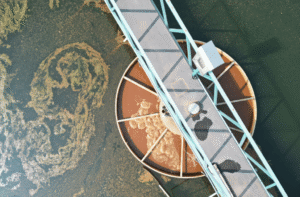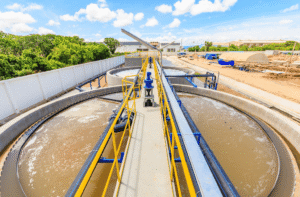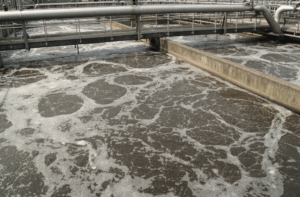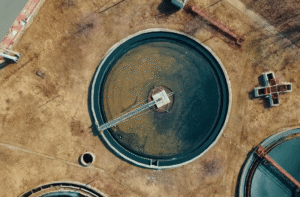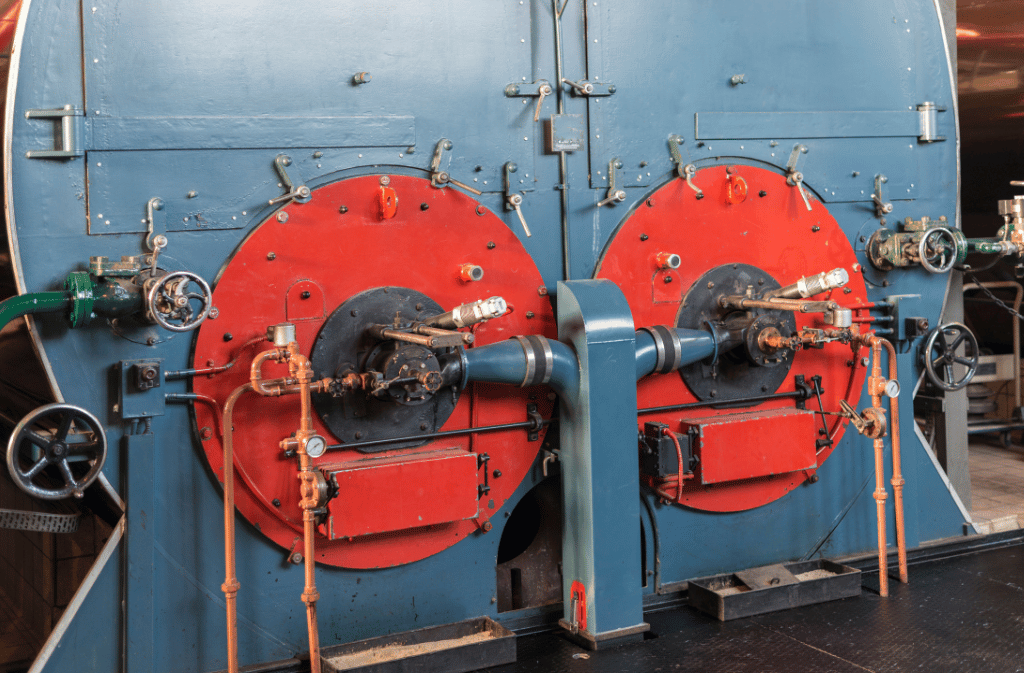
Foam buildup can disrupt industrial water systems by interfering with equipment operation, reducing process efficiency, and complicating treatment. In boiler systems, excessive foaming can also contribute to steam carryover, making reliable foam control important for water treatment professionals.
Defoamers and antifoams help manage existing foam and suppress further foam formation. However, effective treatment requires understanding water chemistry, operating conditions, and the underlying causes of foaming. Selecting compatible foam control products helps maintain reliable system performance across different industrial applications.
Key Takeaways
- Defoamers reduce existing foam, while antifoams help prevent new foam formation.
- Effective foam control requires compatible chemistry and application-specific testing.
- Identifying underlying causes and monitoring treatment performance support reliable industrial water operations.
What Causes Foam in Industrial Water Systems?
Foam forms when air or other gases become dispersed in water and bubbles persist at the surface. Mechanical agitation, pumping, or aeration can introduce gas bubbles, while surfactants, detergents, and certain organic contaminants stabilize the thin liquid films surrounding them.
In industrial water systems, foaming may increase when treatment chemicals are overfed, contaminants enter the water, or operating conditions change. Elevated dissolved solids can also contribute to foaming in boiler systems. Because similar-looking surface foam can have different causes, water treatment professionals should evaluate water chemistry and system conditions before selecting an appropriate foam-control solution.
Defoamers vs. Antifoams: How They Work
Defoamers and antifoams are foam-control agents that disrupt the thin liquid films stabilizing bubbles. Although the terms are often used interchangeably, they describe different primary functions in industrial water treatment.
| Treatment | Primary Function |
|---|---|
| Defoamers | Break down existing foam by destabilizing bubble structures, providing rapid foam knockdown. |
| Antifoams | Suppress or prevent new foam formation by interfering with bubble stability. |
Both types typically act at the air-water interface, weakening bubble films so foam collapses or forms less readily. Some formulations combine immediate foam reduction with ongoing foam prevention. Their effectiveness depends on water chemistry, temperature, and operating conditions.
Common Types of Industrial Foam Control Products
Industrial foam control products use different chemical formulations to disrupt foam stability. The appropriate chemistry depends on water characteristics, operating conditions, and treatment requirements.
- Silicone-based defoamers: Often provide rapid foam knockdown at relatively low dosages. Compatibility with downstream equipment and processes should be evaluated.
- Mineral oil-based defoamers: Use oil-based ingredients to destabilize foam films. Their suitability depends on process chemistry and potential downstream oil contamination.
- Non-silicone formulations: Include certain organic and polyether-based agents used where silicone is unsuitable. Some are available as water-based products.
These categories can overlap, as water-based formulations may also contain silicone. Application-specific testing helps determine which formulation provides effective foam control without negatively affecting system performance.
Foam Control Applications in Industrial Water Treatment
Foam control requirements vary across industrial water systems depending on operating conditions, water chemistry, and the causes of foam formation. Different applications present specific challenges that influence chemical selection and treatment effectiveness.
| Application | Common Foam Control Concerns |
|---|---|
| Boiler water | Foaming can contribute to steam carryover and interfere with reliable boiler operation. |
| Cooling water | Surfactants, process contaminants, or chemical overfeed may cause persistent surface foam. |
| Industrial wastewater | Aeration, organic contaminants, and biological activity can contribute to foam buildup in treatment tanks. |
Boiler applications require particular attention to steam quality and chemical compatibility. In cooling and wastewater systems, effective foam control may require a combination of suitable treatment chemistry and corrective operational measures.
Factors to Consider When Selecting a Defoamer or Antifoam
Selecting the right defoamer or antifoam requires evaluating system conditions and treatment objectives. Water treatment professionals should consider several factors to ensure effective foam control without disrupting operations.
- Foam characteristics: Identify the source, severity, and persistence of foaming to determine suitable treatment chemistry.
- Chemical compatibility: Evaluate how foam control agents interact with existing water treatment chemicals and contaminants.
- Operating conditions: Consider temperature, pH, and mechanical agitation, as these can influence product effectiveness.
- Downstream processes: Assess potential effects on equipment, steam quality, wastewater treatment, and other system requirements.
- Dosage and regulatory requirements: Test appropriate application rates and verify product suitability for any applicable regulatory or operational requirements.
Application-specific testing helps identify formulations that provide reliable foam control while maintaining overall system performance.
Best Practices for Foam Control and Application
Effective foam control requires identifying the underlying problem, applying suitable treatment chemistry, and monitoring system performance.
- Identify the foam source: Evaluate water chemistry, contaminants, and operating conditions to determine what causes foam buildup.
- Test treatment chemistry: Select a compatible defoamer or antifoam and evaluate appropriate dosage, application points, and foam reduction.
- Monitor and adjust: Track foam levels and treatment effectiveness while addressing recurring causes through operational adjustments.
Combining appropriate chemical treatment with ongoing process monitoring helps water treatment professionals maintain reliable foam control.
How ETI Supports Water Treatment Professionals
At Eastern Technologies, Inc. (ETI), we support independent water treatment companies, distributors, and OEMs with anti-foam solutions for industrial boiler systems. Our cooling and boiler treatment portfolio and custom formulation capabilities help partners address application-specific water treatment challenges.
Our technical support services include application guidance and troubleshooting assistance to help partners evaluate foaming conditions and select compatible treatment chemistry. We provide dependable chemical solutions and technical backing without competing for your end-user customers.
Need reliable foam control solutions for your customers? Contact ETI to discuss your application and discover how we can support your business.
Frequently Asked Questions (FAQs)
What is the difference between a defoamer and an antifoam?
Defoamers primarily break down existing foam, while antifoams suppress new foam formation. Many commercial formulations perform both functions.
Can defoamers eliminate foam caused by surfactants?
Defoamers can reduce foam stabilized by surfactants, but may not eliminate its underlying cause. Persistent foaming may require adjustments to the treatment process.
Are silicone and non-silicone defoamers suitable for the same applications?
Both can provide effective foam control, depending on system conditions. Product compatibility, temperature, and downstream requirements influence selection.
Can the same antifoam product be used in boiler and wastewater systems?
Not necessarily, because these systems have different operating conditions and treatment requirements. Each application requires appropriate chemical compatibility and product suitability assessments.
What should professionals check when foaming continues after treatment?
Evaluate chemical dosage, mixing conditions, and potential contaminants. Recurring foam buildup may indicate underlying operational problems requiring corrective action.