Within the coagulation process in water treatment, nothing is as influential and as overlooked as temperature. Whether treating drinking water, industrial effluent, or municipal wastewater, the efficiency of coagulant performance depends heavily on the surrounding thermal environment. A slight shift in degrees can alter reaction kinetics, destabilize particle suspensions, and change the formation behavior of flocs, ultimately affecting the clarity and quality of the water treatment process.
As global climates grow more variable and facilities contend with seasonal shifts, water treatment professionals are paying closer attention to how temperature affects their coagulation strategies. This is especially true when using organic coagulants, which rely on charge neutralization and polymer bridging. Those are water treatment mechanisms that can behave differently at high or low temperatures.
Understanding these temperature effects is not just a matter of academic interest. It’s a practical concern that impacts process efficiency, chemical dosage, sludge volume, and compliance with wastewater treatment discharge permits.
In this article, we’ll explore how temperature influences the behavior of organic coagulants in real-world wastewater treatment applications, compare them to their inorganic counterparts, and share best practices for managing coagulation performance across varying environmental conditions.
The Basics: How Organic Coagulants Work
The coagulation process in water treatment process relies on neutralizing the electric charge of fine particles and dissolved organic matter, allowing them to clump together into larger aggregates called flocs. These flocs can then be removed through sedimentation, filtration, or flotation. At the heart of this process are coagulant chemicals, which fall into two broad categories: inorganic and organic.
Organic coagulants are typically composed of polymers with relatively large molecules that carry a positive charge. These polymers interact with negatively charged colloidal particles, such as clay, silt, or natural organic matter, destabilizing them and initiating floc formation. Unlike inorganic salts such as aluminum sulfate or ferric chloride, which precipitate into metal hydroxides, organic coagulants operate through adsorption and bridging mechanisms.
There are two main types of coagulants (organic):
- Natural biopolymers, derived from plant sources or other natural sources, offer a more sustainable option for facilities aiming to reduce residual metals in the treated water. They are biodegradable and generally produce less sludge, though their performance can be more sensitive to water chemistry and environmental factors.
- Synthetic derivatives, such as polyamines and polyDADMAC, provide enhanced charge density and greater control over molecular weight and chain structure. These coagulants are effective in a wide range of applications, especially when dealing with fine particles, emulsified oils, or waters with high turbidity.
Organic coagulants are valued in both drinking water and wastewater treatment process for their ability to:
- Operate effectively at lower dosages
- Minimize the formation of inorganic precipitates
- Improve compatibility with downstream processes like membrane filtration or biological treatment
- Reduce the potential for disinfection byproducts associated with some metal-based coagulants
Despite these advantages, their performance is more reliant on environmental conditions, including pH, influent composition, and critically, temperature. These factors determine how well the coagulant molecules interact with suspended particles in water and influence the stability and settling rate of the resulting flocs.
Temperature Influence on Organic Coagulant Mechanisms
Temperature has a direct and measurable impact on the coagulation water treatment process, especially when using organic coagulants. These chemicals depend on electrostatic interactions, molecular motion, and reaction kinetics which are sensitive to changes in thermal energy. As temperatures rise or fall, the effectiveness of coagulants neutralizing suspended solids and dissolved matter can vary significantly.
Cold Water Conditions: Slower Kinetics, Weaker Flocs
In sub-freezing temperatures or during winter operations, water treatment plants often see reduced coagulation performance. This is largely due to slower molecular motion, which affects how coagulant molecules interact with colloidal particles and fine particles. In cold water:
- The viscosity of water increases, making it harder for coagulant chains to move freely and form bridges between particles.
- Charge neutralization becomes less efficient, delaying the onset of floc formation.
- Flocs that do form tend to be smaller, less dense, and more fragile, leading to slower settling in a sedimentation basin or settling tank.
The treatment process result is a decrease in process efficiency, often requiring longer retention times, higher chemical dosages, or both.
Warm Water Conditions: Faster Reactions, Variable Outcomes
At elevated temperatures, reaction kinetics accelerate, which can be both beneficial and problematic. In warmer water:
- Organic polymers react more quickly with particles suspended in solution, often leading to more robust and heavy particles that settle faster.
- However, if the water flow is too rapid or flash mixing is insufficient, coagulant molecules may not have enough contact time with target microbiological contaminants, leading to treatment process underperformance.
- There is also an increased risk of too much coagulant producing re-stabilized particles or unpleasant taste in drinking water applications.
Operators must carefully control rapid mixing and flocculation process parameters to ensure consistent floc growth without excessive shear that breaks flocs apart.
Fluctuating Temperatures: A Challenge for Consistency
Facilities located in areas with wide seasonal variation face an even tougher challenge. Sudden temperature changes can cause shifts in particle size distribution, water viscosity, and floc formation behavior. These transitions require proactive process adjustments, such as:
- Modifying coagulant dosage
- Selecting alternative formulations suited for different temperature bands
- Incorporating dual-mechanism blends that offer performance stability across wider operating conditions
For organic coagulants, staying within optimal thermal ranges ensures that molecules remain flexible, properly charged, and capable of forming effective floc structures. Ignoring temperature impacts often leads to inconsistent outcomes, higher sludge volumes, and increased chemical costs.
Comparing Organic and Inorganic Coagulants at Different Temperatures
Understanding the comparative performance of different types of coagulants – organic and inorganic – under different temperature conditions is key to optimizing the coagulation process in water treatment. Each class of coagulant responds differently to temperature due to its chemical structure, mode of action, and interaction with overall water chemistry.
Inorganic Coagulants: Reliable, but Temperature Sensitive
Common inorganic options like ferric chloride, ferric sulfate, and aluminum sulfate form metal hydroxide precipitates that enmesh suspended matter. These metal salts have a well-established role in wastewater treatment system and drinking water applications, but their performance is particularly vulnerable to temperature swings:
- In cold water, metal hydroxide formation slows significantly, producing weaker floc structures that settle poorly in sedimentation processes.
- Coagulants such as ferric chloride typically require higher dosages in cold weather to maintain target turbidity and treated water quality.
- Additionally, colder temperatures can lead to significantly heavier hydroxide sludge, increasing handling and disposal costs.
Though inorganic coagulants are cost-effective and widely available, their temperature-dependent performance often limits their efficiency during seasonal transitions.
Organic Coagulants: More Resilient in Variable Temperatures
Organic coagulants, particularly polyamines and other synthetic derivatives, do not rely on precipitation. Instead, they destabilize suspended particles through charge neutralization and bridging mechanisms. These processes are somewhat less affected by temperature changes:
- In cold conditions, while kinetic reactions slow down, the absence of a precipitation step means that organic coagulants can still form flocs, albeit more slowly.
- In warmer temperatures, their polymer chains remain flexible and active, supporting strong floc formation even at lower dosages.
- Natural biopolymers, while environmentally friendly, tend to have narrower temperature operating ranges compared to synthetic organics and may degrade or lose activity under extreme heat.
This flexibility makes organics an attractive option for facilities dealing with variable influent temperatures or needing tighter control over residuals, water turbidity, or sludge characteristics.
When to Use One Over the Other
- Use inorganic coagulants like iron coagulants, ferric chloride, or aluminium sulfate when the influent is relatively stable in temperature, and cost per pound is a key factor.
- Use organic coagulants when dealing with sensitive downstream systems, tight sludge volume limits, or rapid temperature fluctuations.
- For the most challenging scenarios, dual-mechanism blends can provide enhanced stability and performance.
Temperature should always be a factor in coagulant selection, especially in systems where precision, less sludge, and consistent water quality are non-negotiable.
How Temperature Interacts With pH and Alkalinity During Coagulation
Temperature should not be evaluated independently from other water chemistry variables. Changes in temperature can occur alongside shifts in pH, alkalinity, contaminant loading, and chemical reaction rates, all of which can influence the effectiveness of the coagulation process in water treatment.
This relationship is particularly important when using inorganic coagulants. Aluminum- and iron-based coagulants undergo hydrolysis reactions that consume alkalinity and can lower pH. If the available alkalinity is limited, the treatment process may move outside the preferred pH range for effective coagulation. Lower temperatures can further slow these reactions, making it more difficult to form dense, settleable floc.
Water treatment professionals should therefore evaluate several parameters together:
- Influent and treated-water pH
- Available alkalinity
- Water temperature
- Coagulant type and dosage
- Floc formation and settling behavior
Organic coagulants may provide greater flexibility in some applications because they typically have less effect on pH and alkalinity than conventional metal salts. However, their performance can still vary with temperature, particle charge, and overall wastewater composition.
Where pH or alkalinity becomes a limiting factor, adjusting only the coagulant dose may not correct the underlying problem. Jar testing under representative temperature and chemistry conditions can help determine whether changes to dosage, coagulant chemistry, alkalinity adjustment, or a blended treatment approach are more appropriate.
ETI supports water treatment professionals with organic and inorganic coagulants, alkalinity-adjustment products, custom formulations, and technical assistance. Evaluating these factors as an interconnected system can help partners develop treatment programs that remain more consistent as seasonal or process conditions change.
Temperature Scenarios in Water Treatment Facilities
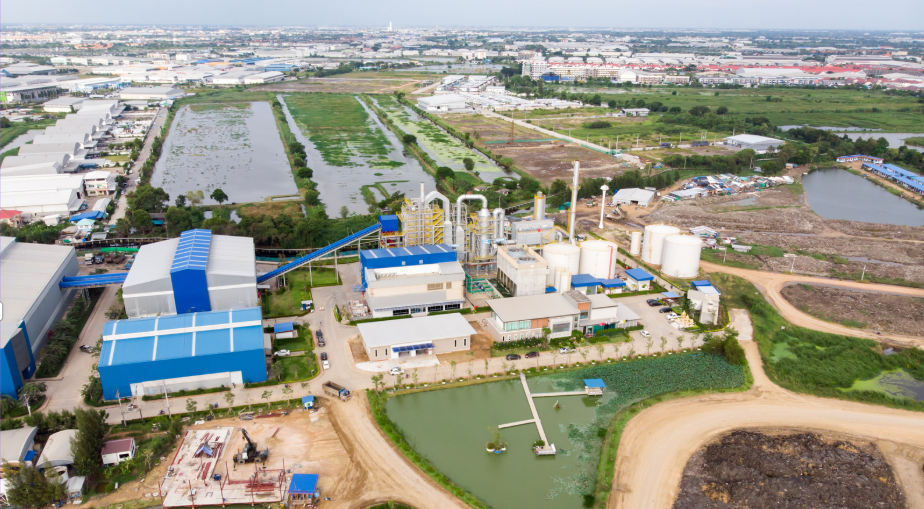
Temperature variation plays a measurable role in the day-to-day operations of water treatment industry across climates and treatment objectives. Understanding how temperature impacts different types of coagulant process in water treatment helps ensure reliable performance and regulatory compliance.
Municipal Drinking Water Plants: Seasonal Shifts in Source Water
In northern climates, water treatment plants sourcing from lakes or rivers often experience dramatic temperature swings. During winter, raw water temperatures may drop to near freezing, impairing coagulant performance and slowing floc formation in sedimentation basins. Operators in these plants must:
- Adjust coagulant dosages frequently
- Extend retention times in clarification stages
- Monitor for unpleasant taste or odor due to underdosing or overdosing
Many facilities report the need to transition from inorganic coagulants like ferric chloride to blended or organic compounds as part of their winterization strategies.
Industrial Wastewater Systems: Hot Effluents and Variable Loads
In wastewater treatment applications such as metal finishing, food processing, or textile manufacturing, influent temperatures can spike well above ambient due to process heat. These elevated temperatures increase the reaction rates of synthetic coagulants, sometimes leading to overdosing or incomplete particle capture if not properly adjusted.
Membrane Systems: Protecting Sensitive Downstream Equipment
Temperature shifts also matter in facilities that incorporate membrane filtration downstream of coagulation. Poor coagulation at low temperatures can result in insufficient removal of fine particles, increasing membrane fouling and reducing lifespan. Conversely, at high temperatures, rapid floc formation may require tighter control of flow rate and flash mixing to prevent system overload.
How Temperature-Related Coagulation Changes Affect Sludge Handling
The effect of temperature does not stop once suspended particles form floc. Changes in coagulation performance can also influence the amount and characteristics of sludge generated downstream, making solids handling another important consideration when managing seasonal temperature variation.
Cold water can slow particle collisions and floc development, sometimes producing smaller or less dense aggregates that settle more slowly. When clarification becomes less efficient, additional coagulant may be applied to compensate. Depending on the chemistry used, higher doses can increase the amount of chemical solids entering the sludge stream.
The resulting changes may affect:
- Sludge settling and thickening
- Solids capture in clarifiers
- Dissolved air flotation performance
- Dewatering efficiency
- Filtrate or centrate clarity
- Sludge hauling and disposal requirements
Coagulant selection can also influence these outcomes. Inorganic coagulants form metal hydroxide precipitates that contribute additional solids, while properly selected organic coagulants may help reduce inorganic sludge generation in suitable applications. Flocculant selection can further affect floc size, strength, settling, and dewatering characteristics.
For water treatment professionals, this means seasonal coagulation adjustments should be evaluated across the entire solid-liquid separation process rather than by treated-water turbidity alone. A program that improves clarification but significantly increases sludge volume or dewatering difficulty may not represent the most efficient overall treatment strategy.
Monitoring both effluent quality and sludge behavior provides a more complete picture of performance. When conditions change, bench testing can also be used to compare coagulant and flocculant combinations before modifying a full-scale program. ETI’s wastewater treatment portfolio and technical support capabilities help water treatment partners evaluate these interactions and identify chemistry suited to their customers’ changing operating conditions.
Best Practices for Coagulation Treatment Work in Variable Temperatures
Maintaining effective coagulation throughout seasonal or process-related temperature changes requires more than a one-size-fits-all approach. It demands attention to physical conditions, adaptable chemistry, and optimized operations. Below are proven strategies to help operators stay ahead of temperature-related issues in the coagulation process in water treatment.
1. Adjust Dosage Based on Water Temperature
As water temperature changes, so should your coagulant dosage. Lower temperatures generally require higher doses or longer contact times to achieve equivalent results. Conversely, high temperatures may require lower doses to avoid overcoagulation and unpleasant taste in treated water.
Regular jar testing at different temperatures allows facilities to recalibrate dosing curves, especially for organic compounds and synthetic coagulants sensitive to molecular activity levels.
2. Optimize Rapid Mixing and Flocculation Settings
Mixing intensity and duration are critical to successful coagulation, especially in variable thermal environments:
- Rapid mixing (or flash mixing) should be adjusted to match water viscosity and flow conditions. Cooler water may require increased turbulence to help disperse the coagulant evenly.
- Flocculation settings must strike a balance between promoting aggregation and avoiding shear. High-speed mixing in warm water can break apart forming flocs, while too little energy in cold water may result in insufficient contact between particles and polymers.
3. Monitor Particle Size Distribution and Settling Behavior
Keep track of changes in particle size distribution, especially during seasonal transitions. Fine or small particles that resist settling may indicate poor coagulation performance due to temperature effects. Adjustments to chemical coagulants, positive charge density, or blending strategies may be necessary.
Analyzing sludge characteristics in your sedimentation basin or settling tank can also reveal if floc structure is degrading or if heavier particles are forming too slowly.
4. Use Temperature-Stable Coagulants
Where temperature variability is frequent or extreme, choosing formulations with broad thermal stability is essential. Natural biopolymers may degrade in high-heat environments, while some iron coagulants lose efficiency at low pH and low temperature.
Blends that combine plant sources with synthetic derivatives often perform best across wide temperature ranges and support consistent water turbidity removal.
5. Practice Careful Handling and Storage
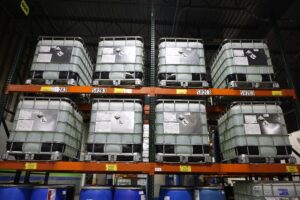
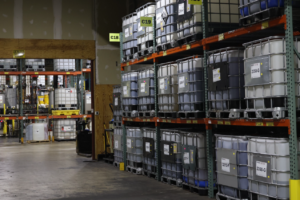
Coagulants, especially in liquid forms, must be stored at appropriate temperatures to prevent phase separation, polymer degradation, or reduced reactivity. Facilities should:
- Avoid exposure to freezing or excessively high temperatures during transport and storage
- Maintain equipment to prevent sodium oxide scaling or pump corrosion
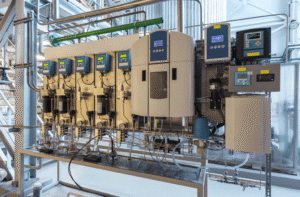
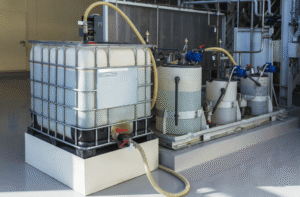
- Implement regular calibration of dosing systems for temperature compensation
By applying these best practices, facilities can maintain process consistency, improve coagulation treatment work, and avoid operational surprises regardless of season or industrial process load.
ETI’s Advanced Organic Coagulants and Support Services
At ETI, we understand that real-world water treatment isn’t performed in a laboratory. It’s carried out in systems exposed to seasonal temperature shifts, variable influent quality, and operational complexity. That’s why our advanced coagulant chemicals are formulated to perform across a wide thermal range, especially in systems where organic chemistry offers significant advantages.
Organic Coagulant Formulations for Thermal Flexibility
Our organic coagulants including polyamines and other synthetic formulations are designed for clarity, stability, and consistent performance even when water temperatures fluctuate. These coagulants:
- Maintain structural integrity in both warm and cold water
- Offer precise charge density and molecular weight configurations for different particle size distribution needs
- Improve floc formation without contributing excess metal coagulants to downstream processes
- Produce less sludge, helping reduce handling costs and improve overall system throughput
For operators dealing with changing influent conditions, our dual-mechanism blends combine the precipitation power of inorganics with the bridging ability of organics. These products are ideal for temperature-sensitive systems that need consistency and flexibility.
Specialized Application Support
ETI doesn’t just manufacture coagulants we help you implement them for maximum success. Our support services include:
- System Assessments: We evaluate your facility’s operating conditions, temperature ranges, and water chemistry to recommend the right coagulant or blend.
- Bench and Pilot Testing: In-house and on-site testing validate performance before full-scale rollout.
- Ongoing Optimization: Seasonal temperature changes and evolving influent sources are no match for our continuous support model. We help you stay on target throughout the year.
- Custom Formulation: If your system needs a unique solution, we create specialized coagulant blends tailored to your specific water chemistry, operational constraints, and temperature profile.
Every ETI product is backed by:
- ISO-certified production
- Batch-level traceability
- Stability and performance testing
- Reliable delivery and packaging configurations to suit your dosing systems
We serve a wide range of wastewater treatment applications, including industrial, municipal, and specialized sectors, all with one goal: helping facilities achieve superior clarification with fewer complications.
Explore our advanced coagulant water treatment solutions, flocculant technologies, andmembrane treatments to learn more about how our products and services.
Matching Coagulant Chemistry to Climate Needs
Facilities that invest in temperature-responsive coagulant strategies supported by product expertise and ongoing technical assistance are better equipped to maintain compliance, reduce costs, and ensure consistent water quality year-round.
With ETI’s full suite of advanced coagulants, expert service model, and commitment to performance across conditions, your treatment system can adapt and excel no matter what the thermometer reads.