Water treatment distributors always connect with chemical manufacturers with businesses that rely on effective water treatment solutions. From industrial cooling systems to wastewater treatment facilities, customers depend on access to suitable chemicals to maintain water quality, protect equipment, and support efficient operations.
The water treatment chemical distribution model enables distributors to source products from established manufacturers and resell them to customers without necessarily operating their own production facilities. Understanding how this process works, from supplier selection and chemical sourcing to product resale and ongoing technical support, can help distributors build reliable supply chains and better serve their customers.
Key Takeaways
- Chemical distributors connect manufacturers with commercial and industrial end users.
- Successful sourcing requires careful supplier evaluation, product selection, and inventory planning.
- Chemical resale involves branding, pricing, fulfillment, regulatory responsibilities, and customer support.
- Product compatibility, safe handling, and consistent quality are essential considerations.
- Reliable manufacturing partners provide resources that support long-term distribution operations.
Understanding the Water Treatment Chemical Distribution Model
Chemical distribution involves a coordinated relationship between manufacturers, distributors, and end users. Each participant has a distinct role in ensuring that appropriate treatment chemicals are produced, supplied, and applied according to customer requirements.
Chemical Manufacturers and Suppliers
Manufacturers develop, formulate, and produce a range of chemicals for different water treatment applications. They typically manage raw material sourcing, production, quality control, and packaging. Some manufacturers also offer customized formulations and technical resources to help distributors address specific treatment requirements.
Independent Water Treatment Distributors
Distributors act as an intermediary between manufacturers and end users. They generally manage product selection, purchasing, sales, inventory, and customer relationships. Depending on their business arrangements, distributors may resell chemicals under the original manufacturer’s label or their own brand.
Many distributors also provide application guidance and ongoing treatment services, helping customers select suitable chemical solutions for their systems.
Commercial and Industrial End Users
End users include manufacturing facilities, commercial buildings, power plants, and other facilities that require chemical treatment to support their operations. Their requirements vary depending on water characteristics, equipment specifications, and treatment objectives.
Distributors help connect these customers with appropriate products while providing the knowledge and support needed to address their operational requirements.
Types of Water Treatment Chemicals Distributors Source
Water treatment distributors source a wide range of chemical products to address the operational requirements of commercial and industrial facilities. Product selection depends on the intended application, water quality, system characteristics, and treatment objectives. While some distributors specialize in particular applications, others maintain a diverse chemical portfolio to serve customers across multiple industries.
The following are common categories of water treatment chemicals and their applications.
| Chemical Category | Purpose and Applications |
|---|---|
| Cooling water treatment chemicals | Scale inhibitors, corrosion inhibitors, and dispersants help manage mineral deposits, corrosion, and fouling. Product selection considers total hardness, water temperature, and operating conditions. |
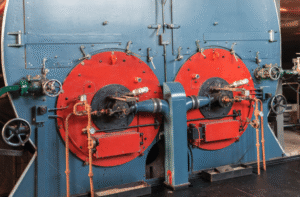
| Boiler water treatment chemicals | Oxygen scavengers, alkalinity control agents, and deposit control chemicals help protect boiler systems and maintain efficient heat transfer. |
| Biocides | Oxidizing and non-oxidizing biocides are used to control microbial growth, with certain products suitable for specific disinfection applications. |
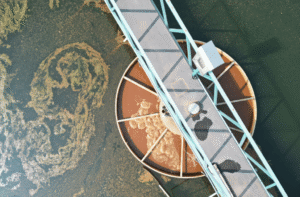
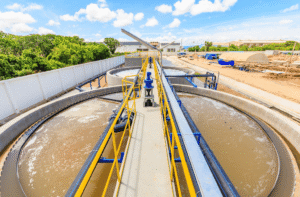
| Wastewater treatment chemicals | Coagulants and polymer-based flocculants assist with the removal of suspended solids, reduction of turbidity, and separation of contaminants. |
| Membrane treatment chemicals | Antiscalants and membrane cleaners help address scaling and fouling that can contribute to reduced throughput. |
| Potable and process water treatment chemicals | Application-specific products address source water characteristics and treatment requirements, subject to applicable approvals and standards. |
| Specialty and custom formulations | Customized chemical blends address specific water chemistry, equipment, and operational challenges. |
Distributors may source individual products or a combination of chemicals that form part of a comprehensive treatment program. Understanding how these products interact with different systems helps distributors develop a balanced inventory and make informed product recommendations based on customer needs.
How Water Treatment Distributors Source Chemicals
An effective water treatment chemical distribution model begins with a structured sourcing process. Rather than selecting products based solely on purchase price, distributors must consider customer demand, chemical suitability, manufacturing quality, and long-term supply reliability.
1. Identify Customer Treatment Requirements
Distributors first evaluate the treatment needs of their target customers. This may involve reviewing raw water characteristics, existing treatment programs, equipment specifications, and operating parameters such as flow rate, temperature, pH, and chemical concentration.
Understanding these factors helps distributors identify which chemical products are suitable for specific applications and anticipate customer demand.
2. Evaluate Chemical Manufacturers and Suppliers
Distributors may obtain products directly from chemical manufacturers, specialized chemical blenders, or authorized suppliers. When evaluating potential suppliers, important considerations include:
- Manufacturing capabilities and quality management practices.
- Product availability and formulation consistency.
- Access to technical expertise and product documentation.
- Production flexibility and supply reliability.
- Pricing structures and purchasing terms.
A dependable supplier relationship helps distributors maintain product consistency and manage changing customer requirements.
3. Select Appropriate Chemical Formulations
Depending on the application, distributors may source established formulations or request customized chemical blends. Standard formulations can address widely encountered treatment challenges, while custom products may be more suitable for facilities with unique water chemistry or operating conditions.
Technical consultation and laboratory testing, where appropriate, can support the selection process and help distributors evaluate product suitability before introducing chemicals to their customers.
4. Determine Purchasing Quantities and Packaging
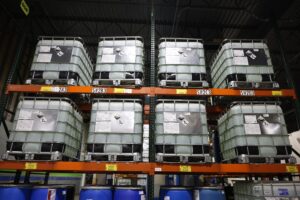
Purchasing decisions typically depend on customer consumption, available storage space, product shelf life, and anticipated sales volume. Distributors may source chemicals in smaller containers, drums, intermediate bulk containers (IBCs), or bulk quantities, depending on supplier capabilities and product requirements.
Packaging material compatibility and handling requirements should also be considered when planning purchases.
5. Establish Reliable Supply Arrangements
Once products and suppliers have been selected, distributors coordinate order schedules, production lead times, inventory requirements, and delivery arrangements. Maintaining sufficient inventory while avoiding excessive stock requires careful planning and regular communication with suppliers.
Reliable supply arrangements help distributors respond to changing demand, reduce the risk of product shortages, and maintain continuity of service for their customers.
How Distributors Resell Water Treatment Chemicals
Once distributors establish reliable sourcing arrangements, the next stage involves preparing chemical products for resale and delivering them to customers. The water treatment chemical distribution model allows distributors to manage their own sales activities while relying on manufacturing partners for product supply and, where available, additional technical resources.
Product Branding and Resale Options
Distributors typically resell water treatment chemicals through two approaches:
- Manufacturer-branded products: Chemicals are sold under the original manufacturer’s name and product label, subject to applicable distribution agreements.
- Private label products: Chemicals are supplied under the distributor’s own brand, allowing the business to establish a distinct product identity while outsourcing manufacturing.
Both approaches require appropriate product labeling, accurate documentation, and clear communication regarding product specifications and intended applications. The choice depends on the distributor’s business objectives, market position, and supplier arrangements.
Pricing, Packaging, and Order Fulfillment
Distributors establish selling prices by considering purchasing costs, transportation expenses, storage requirements, competitive conditions, and the level of service provided to customers.
Packaging and delivery arrangements may also vary depending on the volume of chemicals required. For example, smaller facilities may require packaged products, while larger industrial operations may depend on bulk deliveries to maintain a continuous chemical supply.
Coordinating inventory, order processing, and delivery schedules helps distributors meet customer requirements while managing operational expenses.
Providing Technical and Customer Support
Chemical resale often involves more than delivering products. Distributors may assist customers with product selection, chemical feed requirements, application methods, and troubleshooting existing treatment programs.
They may also work with operating personnel to monitor treatment performance and identify potential improvements. Access to manufacturing expertise and technical resources helps distributors make informed recommendations, support efficient system operation, and identify opportunities to manage maintenance costs.
This combination of chemical supply and ongoing service helps distributors establish long-term customer relationships.
Key Considerations for Successful Chemical Distribution
Successful chemical distribution requires attention to product quality, supply continuity, safety, and application suitability. Distributors must balance commercial objectives with the practical responsibilities associated with supplying chemicals for different water treatment environments.
Product Quality and Supply Reliability
Consistent chemical quality is essential for maintaining dependable treatment programs. Distributors should evaluate supplier quality management practices, product specifications, batch traceability, and manufacturing capabilities.
Reliable production and delivery arrangements are equally important, particularly for facilities that depend on continuous chemical treatment and have limited on-site storage capacity.
Chemical Storage, Handling, and Safety
Water treatment chemicals may require specific storage conditions depending on their concentration, stability, and chemical properties. Factors such as temperature, exposure to incompatible materials, and container integrity must be considered.
Distributors should follow applicable safety data sheets (SDS) and establish appropriate handling procedures to reduce risks during storage, transportation, and delivery.
Compatibility With Treatment Systems
Chemical compatibility is an important consideration when supplying products for existing chemical feed systems. Equipment such as a chemical metering pump, storage tank, injection quill, and check valves must be suitable for the chemical being used.
Chemical viscosity, concentration, flow, and operating pressure can influence pumping and injection requirements. Certain equipment components may also be susceptible to deterioration when exposed to incompatible chemicals.
Distributors should consider these factors and consult qualified technical professionals when evaluating product suitability, mixing requirements, and chemical feed applications.
Regulatory Compliance and Documentation
Distributors must understand the regulatory requirements applicable to the chemicals they source and resell. These may include product labeling, hazard communication, transportation, and registration requirements.
In the United States, relevant requirements may involve the Occupational Safety and Health Administration (OSHA) and the Environmental Protection Agency (EPA), depending on the product and its intended use.
Working with a knowledgeable chemical supplier can help distributors access appropriate documentation and regulatory guidance while fulfilling their own compliance responsibilities.
How ETI Supports Water Treatment Distributors
At Eastern Technologies, Inc. (ETI), we understand that a successful water treatment chemical distribution model requires more than access to quality products. Since 1986, we have supported independent water treatment companies, distributors, and original equipment manufacturers (OEMs) with chemical manufacturing capabilities, technical expertise, and business resources.
Our extensive product portfolio covers cooling and boiler water treatments, biocides, wastewater treatment chemicals, membrane treatments, and specialty applications. Through our custom chemical blending and formulation services, we develop application-specific products to address different water characteristics, operating conditions, and treatment objectives. Our ISO 9001-certified quality management system supports manufacturing consistency and product traceability.
We also offer private labeling and flexible packaging options, including pails, drums, totes, and bulk quantities, to accommodate different distribution and resale requirements. Our distributor partnership program provides access to chemical products and resources that help independent businesses expand their offerings.
Beyond chemical supply, our technical and business support services include application guidance, field assistance, laboratory analysis, sales support, and training for operating personnel. We also provide administrative and regulatory support, including product documentation, safety data sheets, and applicable biocide registration assistance.
Our distributor portal provides 24/7 access to product information, application guides, and business resources, helping partners manage their day-to-day operations.
We operate as an extension of your business, providing the products and expertise you need without competing for your end-user customers.
Strengthen your chemical supply capabilities with a partner committed to your success. Contact ETI Water today to discuss your distribution needs and explore partnership opportunities.
Frequently Asked Questions (FAQs)
Where do water treatment distributors source their chemicals?
Water treatment distributors typically source chemicals from manufacturers, specialized chemical blenders, and established suppliers. ETI provides access to a broad range of standard and customized chemical formulations, with flexible packaging options to accommodate different purchasing and distribution requirements.
Can distributors resell water treatment chemicals under their own brand?
Yes, distributors can work with manufacturers that offer private labeling services to develop their own branded product lines. ETI supports private label arrangements, including applicable labeling, product documentation, and registration assistance for qualified distributors.
Can distributors source chemicals for drinking water distribution systems?
Distributors can source chemicals for drinking water applications, including products for disinfection, pH adjustment, scale prevention, and corrosion control. ETI offers potable water treatment chemicals, with product selection dependent on water quality, intended use, and applicable regulatory requirements.
Why is chemical compatibility important when selecting treatment products?
Chemical properties can affect the performance and durability of equipment such as metering pumps, control valves, filters, and pipes. ETI provides technical guidance to help distributors evaluate chemical suitability and compatibility with existing treatment systems.
Does ETI help distributors address water treatment performance issues?
Yes, ETI offers laboratory analysis, application guidance, and troubleshooting services to help distributors identify factors affecting treatment performance. These resources can support the evaluation of chemical effectiveness, disinfection efficiency, and other operating concerns related to specific applications.