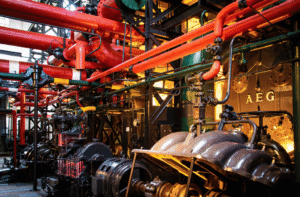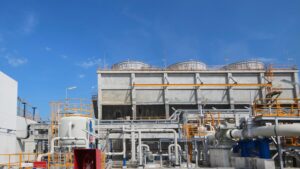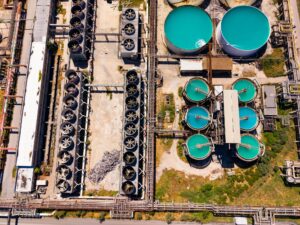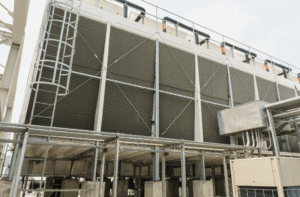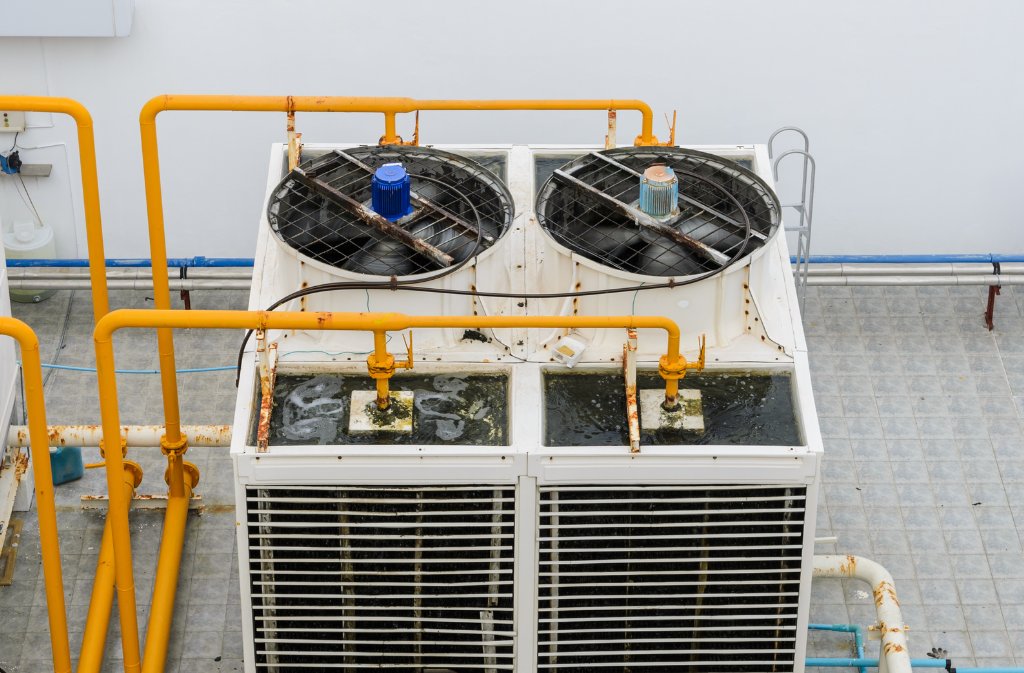
Biofouling is a persistent challenge in cooling towers, heat exchangers, process water networks, piping, storage vessels, and membrane systems. It begins when microorganisms such as bacteria, algae, and fungi attach to wetted surfaces and multiply. Over time, this biological accumulation can restrict water flow, reduce heat-transfer efficiency, interfere with treatment chemicals, and contribute to corrosion. Without effective biofouling control, facilities may experience higher energy consumption, more frequent cleaning, equipment deterioration, and unexpected interruptions.
Managing biological growth requires more than applying a biocide after visible slime or deposits appear. An effective program combines prevention, appropriate chemical treatment, physical removal, operational improvements, and routine monitoring. Because water chemistry, system design, temperature, nutrient availability, and flow conditions vary between facilities, treatment methods must be selected according to the specific risks within each system. A structured approach helps minimize fouling, protect equipment, and maintain reliable water system performance.
Key Takeaways
- Biofouling begins when microorganisms attach to wetted surfaces and develop into deposits that can restrict flow, reduce heat transfer, and contribute to corrosion.
- Effective biofouling control combines biocides, cleaning, sediment removal, good circulation, and routine monitoring.
- Oxidizing and non-oxidizing biocides serve different treatment roles and should be selected based on water chemistry, system conditions, and product-label requirements.
- Monitoring should include microbial testing, visual inspections, corrosion data, and equipment performance trends rather than relying on a single result.
- Cooling towers, heat exchangers, closed loops, process water systems, and membranes each require application-specific treatment methods.
- ETI supports water treatment professionals with industrial biocides, dispersants, custom formulations, testing resources, regulatory guidance, and technical assistance.
What Is Biofouling in Industrial Water Systems?
Biofouling develops when microorganisms attach to wetted surfaces and begin forming a structured biological layer. This process, known as biofilm formation, often starts with bacteria but may also involve algae, fungi, and other fouling organisms. Once attached, the organisms produce a protective matrix that helps them remain on the surface and retain nutrients, sediments, and suspended material.
As the layer grows, it can trap additional solids and create thicker deposits throughout the system. Biofouling refers to this broader accumulation of biological material and associated debris, along with the operational problems it causes. Common locations include cooling tower basins, fill media, heat exchangers, piping, strainers, storage tanks, and membrane surfaces.
| Term | Definition | Why It Matters |
|---|---|---|
| Biofilm | A community of microorganisms attached to a wetted surface and protected by a self-produced matrix | It can shield organisms from treatment and make deposits more difficult to remove |
| Biofouling | The accumulation of biofilm, microbial slime, sediments, and biological deposits within a water system | It can restrict flow, reduce heat transfer, increase chemical demand, and contribute to corrosion |
Biofilm is therefore a major component of biofouling, but the terms are not interchangeable. Biofilm describes the attached microbial community, while biofouling describes the wider buildup and its effects on equipment, water quality, and system performance.
Conditions That Promote Biofouling
Biofouling does not develop at the same rate in every industrial water system. Its formation depends on several interacting factors, including water chemistry, temperature, flow conditions, nutrient availability, and the effectiveness of the existing treatment program. Systems with persistent deposits or irregular operating conditions are generally more vulnerable because they provide protected areas where microorganisms can attach and multiply.
Common Factors That Encourage Microbial Growth
- Warm water temperatures: Many industrial water systems operate within temperature ranges that support the growth of bacteria, algae, and other microorganisms.
- Stagnant or low-flow areas: Dead legs, underused piping, poorly circulated basins, and low-velocity zones allow microorganisms and sediments to accumulate with less disturbance.
- Nutrient availability: Organic matter, airborne debris, process leaks, contaminated makeup water, and other impurities can provide nutrients that support microbial development.
- Sediment accumulation: Deposits create attachment points and sheltered areas where microorganisms may be less exposed to flow and treatment chemicals.
- Inadequate treatment residual: Improper dosage, inconsistent chemical feed, high oxidant demand, or insufficient contact time can reduce the effectiveness of biocides.
- Corroded or rough surfaces: Damaged surfaces contain irregularities that make microbial attachment easier and can increase the risk of localized corrosion beneath deposits.
- Poor filtration or cleaning: When suspended solids and biological material are not removed, the overall fouling load can increase and make treatment more difficult.
Other factors, such as pH, salinity, system metallurgy, and the type of process contamination present, can also influence biofouling risk. Understanding how these conditions interact is essential when designing a treatment and monitoring program for a specific system.
How Biofouling Affects Industrial Water Systems
Biofouling can influence nearly every part of an industrial water system, from heat-transfer surfaces to piping, filters, basins, and membranes. As biological deposits grow, they can reduce efficiency, interfere with treatment, and create conditions that increase maintenance demands and equipment risk.
Reduced Heat-Transfer Efficiency
Biofilm and biological deposits act as an insulating layer on heat exchangers, condenser tubes, and other heat-transfer surfaces. Even a thin accumulation can reduce thermal transfer, forcing equipment to work harder to achieve the same cooling or heating result.
This loss of efficiency may lead to a significant increase in energy use and operating costs. If deposits remain untreated, system performance can continue to decline until cleaning or shutdown becomes necessary.
Restricted Flow and Pressure Loss
Slime, sediments, and trapped debris can narrow piping, block strainers, coat cooling tower fill, and restrict small passages within heat exchangers. These restrictions may reduce water flow and increase pressure differentials across equipment.
Uneven flow can also create additional stagnant zones, allowing further microbial growth and making the problem more difficult to control.
Microbiologically Influenced Corrosion
Microorganisms can contribute to microbiologically influenced corrosion by creating localized chemical conditions beneath deposits. These areas may differ in oxygen concentration, pH, and other factors, increasing the risk of pitting and structural damage.
Biofouling can also interfere with corrosion inhibitor distribution by preventing treatment chemicals from reaching the metal surface effectively.
Higher Maintenance and Operating Costs
Poorly controlled biological growth may require more frequent cleaning, higher chemical use, filter replacement, and unplanned maintenance. It can also shorten equipment life and increase the likelihood of production interruptions.
Water Quality and Microbial Risk
Biofilm can protect bacteria and other organisms from normal treatment conditions. It may also support the persistence of undesirable microorganisms, which is why biological control should be coordinated with cleaning, monitoring, and broader water safety practices.
Core Methods for Controlling Biofouling
Effective biofouling control requires a coordinated approach that addresses microorganisms, deposits, water chemistry, and operating conditions. Chemical treatment is important, but it is most effective when combined with cleaning, circulation improvements, solids control, and routine monitoring.
System Cleaning and Deposit Removal
Established deposits can limit the ability of treatment chemicals to reach microorganisms attached to equipment surfaces. Physical cleaning may therefore be necessary when heavy slime, sediment, or biological accumulation is already present.
Cleaning activities may include removing sediment from basins, flushing low-flow areas, cleaning strainers, and clearing deposits from heat exchangers or other wetted components. The selected method should be compatible with the system materials and operating requirements.
Oxidizing Biocides
Oxidizing biocides are commonly used to control bacteria, algae, and other microorganisms in suitable industrial water systems. Chlorine-based and bromine-based products are common examples, although their effectiveness depends on actual system conditions.
Important treatment factors include:
- Water pH
- Organic loading
- Required residual
- Contact time
- System temperature
- Equipment metallurgy
- Compatibility with other treatment chemicals
- Applicable discharge requirements
An oxidizing program should be monitored to confirm that the active treatment reaches the intended parts of the system at an effective residual.
Non-Oxidizing Biocides
Non-oxidizing biocides act through mechanisms other than oxidation and may be used as part of a routine or supplemental microbial control program. Different chemistries vary in speed, compatibility, and performance under changing water conditions.
| Chemistry | General Treatment Role |
|---|---|
| Isothiazolin blends | Used for broad microbial control in compatible industrial water applications |
| DBNPA | A fast-acting chemistry used where operating conditions and system compatibility allow |
| Glutaraldehyde | Applied against a range of microorganisms under appropriate treatment conditions |
| THPS | Used in selected systems that require non-oxidizing microbial control |
| Quaternary ammonium compounds | Applied in compatible systems, sometimes with dispersant properties |
Product selection should be based on water chemistry, target organisms, treatment history, contact time, and label directions. No single biocide is suitable for every industrial water system.
Biodispersants and Deposit-Control Products
Biodispersants can help loosen biological material, reduce surface attachment, and improve the removal of suspended deposits. They may also improve treatment contact by exposing organisms protected within accumulated material.
These products should not automatically be treated as substitutes for biocides. Microbial control, deposit removal, and continued prevention perform different functions and may need to be used together.
Operational Prevention
Good operating practices can help control biofouling and reduce reliance on corrective treatment. Important preventive measures include:
- Maintaining consistent water circulation
- Correcting stagnant or low-flow zones where practical
- Removing sediment and suspended solids
- Controlling process leaks that introduce nutrients
- Inspecting chemical feed pumps and storage tanks
- Maintaining filtration where appropriate
- Documenting treatment interruptions and operating changes
The most effective program combines compatible chemistry with sound system management. Ongoing prevention is generally more reliable and economical than waiting until biological accumulation causes a major performance problem.
Monitoring and Verifying Treatment Effectiveness
Biofouling control should be evaluated through routine monitoring rather than a single test result. A reliable program combines microbiological testing, visual inspection, chemical measurements, and operating data to determine whether treatment is reaching the system and limiting biological accumulation.
| Monitoring Method | What It Can Indicate |
|---|---|
| Visual inspection | Slime, algae, discoloration, sediment, and visible deposit accumulation |
| General bacterial testing | Changes in suspended bacterial populations |
| ATP testing | Relative biological activity in water or surface samples |
| Dip slides | Trends in cultivable bacterial or fungal growth |
| Oxidant residual | Whether an oxidizing treatment is present at the sampled location |
| ORP | General oxidation conditions when applicable to the treatment program |
| Corrosion coupons | Changes in metal loss and corrosion trends over time |
| Pressure differential | Possible restrictions across filters, heat exchangers, or other equipment |
| Heat-transfer performance | Declining thermal efficiency that may indicate fouling |
| Membrane operating data | Changes in pressure, permeate flow, and normalized system output |
Monitoring results are most useful when compared over time. A single elevated bacterial count or pressure reading may not confirm the full extent of a problem, but repeated changes can reveal deteriorating treatment effectiveness or developing deposits.
Water samples also tend to represent free-floating microorganisms rather than organisms attached to internal surfaces. For this reason, testing should be supported by inspections, deposit observations, corrosion data, and performance trends. Regular documentation helps water treatment professionals identify changes early, evaluate corrective actions, and improve the program before biofouling causes serious operational problems.
Biofouling in Different Industrial Water Systems
Biofouling can develop across many industrial water applications, but the causes, consequences, and treatment limitations vary by system. Effective management requires an understanding of how water moves through the equipment, where deposits are likely to form, and which treatment methods are compatible with the materials and operating conditions involved.
Cooling Towers and Open Recirculating Systems
Cooling towers are especially vulnerable because they combine warm water, aeration, repeated concentration of dissolved solids, and exposure to airborne debris. These conditions can support the growth of bacteria, algae, and other microorganisms on tower fill, basins, strainers, piping, and heat-transfer surfaces.
Biological accumulation can reduce cooling efficiency, obstruct water distribution, and contribute to corrosion beneath deposits. A suitable program may combine oxidizing and non-oxidizing biocides, deposit control, cleaning, filtration, and routine monitoring.
Heat Exchangers and Process Water Systems
Heat exchangers and process water networks may develop fouling in tubes, channels, and other areas where flow slows or nutrients enter the system. Even a relatively thin biological layer can interfere with heat transfer and increase pressure loss.
Monitoring temperature approach, flow, and pressure differential can help identify changes before severe buildup occurs. Cleaning and treatment should be selected according to the process, metallurgy, and potential sources of contamination.
Closed-Loop Systems
Closed-loop systems are less exposed to outside contamination, but they are not biologically sterile. Microorganisms may enter through makeup water, maintenance activities, leaks, or incomplete cleaning during startup.
When circulation is poor or treatment residuals decline, biological growth can develop in low-flow areas and beneath deposits. Maintaining water quality, circulation, corrosion protection, and microbial control remains important.
Membrane Systems
Membrane biofouling occurs when microorganisms and organic material accumulate on membrane surfaces or within feed channels. This can reduce permeate production, increase pressure requirements, raise cleaning frequency, and shorten membrane service life.
Control methods may include pretreatment, nutrient reduction, compatible biocides, cleaning, and monitoring of normalized flow and differential pressure. Treatment chemistry must be checked carefully because some membrane materials, including certain polyamide membranes, can be damaged by oxidizing chemicals.
Treatment products and cleaning procedures should always comply with membrane manufacturer limits and applicable product-label directions.
Building a Practical Biofouling Management Program
A practical biofouling management program should address the causes of microbial growth, not only the deposits that are already visible. The process should combine system inspection, baseline testing, compatible treatment methods, and ongoing documentation so that changes can be identified before they develop into major operating problems.
- Inspect the system.
Check basins, piping, heat exchangers, strainers, fill media, storage vessels, and other wetted surfaces for slime, discoloration, sediments, and restricted flow. Low-use sections and stagnant areas should receive particular attention. - Review operating conditions.
Evaluate temperature, pH, salinity, circulation, nutrient sources, organic loading, and treatment history. These factors can influence which microorganisms develop and how effectively a treatment program performs. - Establish baseline data.
Record bacterial counts, ATP results, corrosion rates, heat-transfer performance, pressure differential, flow, and other relevant measurements. Baseline information makes it easier to recognize deterioration or improvement over time. - Select compatible treatment methods.
Choose biocides, cleaning methods, dispersants, filtration, and operational controls according to the system design and water chemistry. Product-label directions, metallurgy, discharge limits, and equipment compatibility must also be considered. - Verify application and distribution.
Confirm that feed equipment is operating correctly and that treatment reaches the areas at greatest risk. Dosage, residual, circulation, and contact time should be checked rather than assumed. - Remove established deposits when necessary.
Heavy biological accumulation may require physical or chemical cleaning before routine treatment can regain effectiveness. Removed material should be flushed or filtered from the system where appropriate. - Monitor treatment performance.
Compare current results with baseline data and inspect the system at planned intervals. Monitoring should include both microbiological indicators and operating trends. - Adjust and document the program.
Record treatment changes, maintenance activities, test results, and corrective actions. Clear documentation supports consistent implementation and helps minimize recurring biofouling risk.
Managing biofouling effectively is an ongoing process. Regular review allows water treatment professionals to respond to seasonal changes, process disruptions, and shifts in water quality while maintaining reliable equipment protection.
How ETI Supports Water Treatment Professionals
Eastern Technologies, Inc. supports independent water treatment companies, distributors, and OEMs with the products and technical resources needed to manage microbial fouling across cooling, process water, and membrane applications. ETI operates as a chemical manufacturer and technical partner, not a direct service competitor, allowing water treatment professionals to maintain control of their end-user relationships while gaining access to broader formulation, testing, regulatory, and troubleshooting capabilities.
Relevant support for biofouling control includes:
- Industrial biocides: ETI offers more than 35 oxidizing and non-oxidizing biocide chemistries, including bromine-based and chlorine-based oxidizers, isothiazolin products, DBNPA, glutaraldehyde, THPS, quaternary ammonium compounds, and specialty blends.
- Biodispersants and advanced dispersant technologies: These products help reduce biological accumulation, keep solids suspended, limit under-deposit corrosion, and improve contact between biocides and fouled surfaces.
- Cooling water treatment chemicals: Custom programs may combine microbial control with corrosion inhibitors, scale control products, and dispersants for open recirculating, closed-loop, process water, and once-through systems.
- Membrane treatment products: ETI supplies compatible biocides, cleaners, antiscalants, and supporting chemistries intended to reduce organic, inorganic, and biological fouling in membrane systems.
- Monitoring and testing tools: Available resources include glutaraldehyde test kits, HMB X biofilm monitoring systems, water analysis, deposit analysis, corrosion coupon evaluation, and laboratory support.
- Custom formulation and private labeling: ETI can develop application-specific blends, multifunctional products, flexible packaging, and private-label programs for distributors and OEMs.
- Regulatory and application support: The ETI team assists with EPA and state registrations, labeling, documentation, application guidance, and product selection for antimicrobial programs.
These capabilities allow water treatment professionals to build more complete biofouling management programs rather than relying on a single chemical. ETI can help partners compare compatible chemistries, evaluate contamination risks, improve treatment monitoring, and coordinate microbial control with scale, corrosion, and deposit-management requirements.
Persistent biofouling can reduce efficiency, damage equipment, and make treatment more difficult over time. Contact ETI Water to discuss biocide selection, custom formulations, monitoring tools, or technical support for your next industrial water treatment program.
Frequently Asked Questions (FAQs)
What is the difference between biofilm and biofouling?
Biofilm is a layer of microorganisms attached to a wetted surface and protected by a self-produced matrix. Biofouling is the broader accumulation of biofilm, slime, sediments, and biological deposits that can interfere with water flow, heat transfer, and equipment performance.
Which biocides are used to control biofouling?
Oxidizing biocides, such as chlorine- and bromine-based products, and non-oxidizing biocides, such as DBNPA, glutaraldehyde, THPS, and isothiazolin blends, may be used to control biofouling. The appropriate chemistry depends on water conditions, system materials, target microorganisms, contact time, and product-label requirements.
Can biofouling cause corrosion?
Yes, biofouling can contribute to microbiologically influenced corrosion by creating localized conditions beneath deposits that accelerate metal deterioration. It may also prevent corrosion inhibitors from reaching and protecting equipment surfaces effectively.
How is biofouling monitored in industrial water systems?
Monitoring methods may include visual inspection, bacterial testing, ATP testing, dip slides, oxidant residual measurement, corrosion coupons, pressure differential, and heat-transfer trends. These methods are most effective when results are evaluated over time and combined with surface observations.
Can biofouling be prevented without chemical treatment?
Operational measures such as maintaining circulation, removing sediments, controlling nutrient sources, cleaning equipment, and improving filtration can help minimize biofouling. However, many industrial water systems still require compatible chemical treatment as part of a complete and sustainable prevention program.