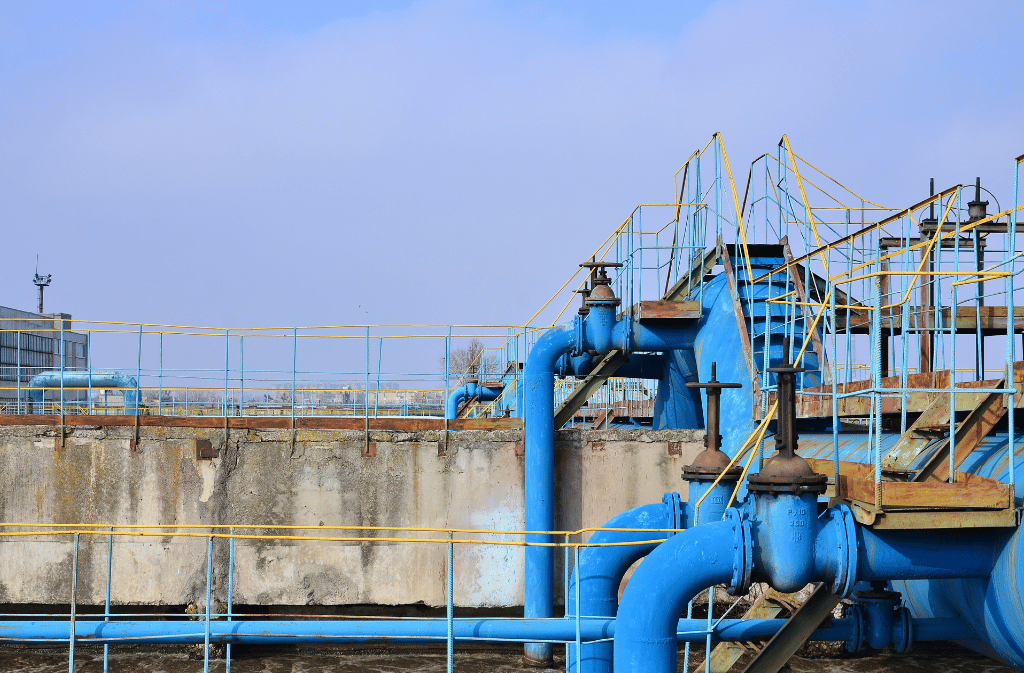
No two facilities operate under exactly the same water conditions. Differences in source water, system design, equipment, operating temperatures, process demands, and water quality can all influence how a water treatment program should be developed and maintained.
A custom water treatment approach allows treatment professionals to account for those variables instead of relying on a one-size-fits-all solution. By aligning water treatment systems with actual facility conditions, professionals can better address water problems, support equipment protection, and maintain more reliable system performance over time.
Key Takeaways
- Custom water treatment should reflect actual water chemistry, system design, operating conditions, and treatment goals.
- Effective programs may combine chemistry, filtration, monitoring, and technical support to address complex water issues.
- Properly matched treatment can support efficiency, equipment protection, maintenance, and reliable system performance.
- ETI helps water treatment professionals develop tailored programs while supporting, rather than competing with, their customer relationships.
What Makes a Water Treatment Program Custom?
A custom water treatment program is built around the specific conditions of a facility rather than a standard product alone. The goal is to match treatment strategy, chemistry, and support to the system’s actual operating needs.
Custom Chemistry
Formulations can be tailored to factors such as water quality, system metallurgy, contaminants, temperature, pressure, and treatment objectives. This helps water treatment professionals address the conditions that are most relevant to performance.
Custom Delivery
Customization may also include product concentration, packaging, quantities, labeling, and other requirements that better suit how a customer operates and manages treatment systems.
Custom Support
Effective custom water programs also rely on technical guidance, testing, troubleshooting, and ongoing program evaluation. These services help treatment professionals refine the solution as system conditions or water issues change.
Key Factors That Shape a Custom Treatment Program
Developing an effective custom water treatment program starts with understanding the conditions that influence system performance. Water treatment professionals typically evaluate several technical and operational factors before selecting chemicals, filtration, or other treatment strategies.
- Water chemistry: Hardness, alkalinity, conductivity, sediment, chlorine, impurities, and other contaminants can affect treatment requirements and overall water quality.
- System metallurgy: Materials of construction can influence corrosion risk and the type of protection required.
- Operating conditions: Temperature, pressure, flow, cycles of concentration, and process demands can change how a system responds to treatment.
- Treatment objectives: Programs may be designed to manage scale, corrosion, deposition, fouling, microbiological activity, or other water issues.
- Regulatory and process requirements: Chemical selection, discharge conditions, documentation, and application-specific standards may also shape the final solution.
Benefits of Matching Treatment to Facility Conditions
When treatment is aligned with actual system conditions, facilities can manage water problems more precisely and support more consistent performance. A tailored approach also helps water treatment professionals focus chemicals, monitoring, and maintenance where they are most needed.
| Program Consideration | Potential Operational Benefit |
|---|---|
| Scale and deposit control | Supports heat transfer, equipment efficiency, and reliable system operation |
| Corrosion control | Helps protect system metallurgy and extend equipment lifespan |
| Appropriate chemical selection | Helps match treatment to actual water quality and operating conditions |
| Monitoring and maintenance | Supports consistent treatment performance and early identification of water issues |
| Program adjustment | Allows the treatment strategy to respond as system demands or water conditions change |
These benefits can make custom water treatment a practical solution for facilities with complex or changing operating requirements.
How ETI Supports Custom Water Treatment Programs
ETI supports independent water treatment companies, distributors, and OEMs with the chemistry, technical resources, and manufacturing flexibility needed to build custom water treatment programs for demanding applications. Rather than competing for end-user business, ETI works behind its partners as a product and technical support resource.
Custom Formulation and Chemical Blending
ETI develops application-specific formulations for cooling systems and boilers, closed loops, wastewater, membrane systems, and other specialty applications. Its custom chemical blending capabilities can help partners match chemistry to water quality, operating conditions, treatment objectives, packaging needs, and private-label requirements.
Technical and Laboratory Support
ETI also provides water analysis, deposit analysis, corrosion coupon analysis, troubleshooting, field support, and application guidance. For wastewater applications, support can include jar testing, field trials, dosing recommendations, and ongoing optimization.
Broad Treatment Support
Partners can also access cooling and boiler chemicals, biocides, coagulants, flocculants, dispersants, membrane treatment chemicals, and other treatment solutions that can be incorporated into a broader program.
Need a reliable technical partner behind your next custom program? Contact ETI Water to discuss the chemistry, testing, and support needed to help you deliver the right solution for your customer.