Citric acid water treatment plays an important role in maintaining the performance, cleanliness, and reliability of industrial water systems. As facilities strive to improve water quality, protect equipment, and reduce maintenance costs, many water treatment professionals use citric acid as a specialized cleaning and descaling solution for specific applications. Its ability to dissolve mineral deposits while being less aggressive than many strong inorganic acids makes it a practical option for selected cleaning and maintenance procedures across a variety of industries.
Derived commercially for industrial use, citric acid is a weak organic acid that supports a range of water treatment objectives, from removing scale and metal-based deposits to assisting with equipment cleaning and passivation. While it is not intended to replace every treatment chemistry, citric acid offers an effective solution for many industrial water systems when selected based on the system’s operating conditions and cleaning requirements. Understanding where and how citric acid is used helps water treatment professionals make informed decisions that improve system performance and long-term reliability.
The next section will be “What Is Citric Acid and How Does It Work?”, where we’ll define the compound, explain its chemistry, and introduce concepts like chelation and mineral deposit removal before moving into the specific industrial applications.
What Is Citric Acid and How Does It Work?
Citric acid is a naturally occurring compound that is widely recognized for its cleaning and chelating properties. Although it is naturally present in citrus fruits, the citric acid used in industrial applications is commercially manufactured to ensure consistent quality and performance. With the chemical formula C₆H₈O₇, it is a highly soluble, white crystalline powder that readily dissolves in water, making it suitable for preparing cleaning solutions used in various water treatment processes.
As a cleaning agent, citric acid is valued for its ability to dissolve inorganic mineral deposits that accumulate inside industrial equipment over time. It is often selected as a cleaning agent citric acid solution because it provides effective cleaning while generally being less aggressive than many harsh chemicals when applied correctly. This makes it particularly useful for maintenance procedures where preserving equipment surfaces is just as important as removing deposits.
Key Properties of Citric Acid
- Classified as a weak organic acid with mild yet effective cleaning characteristics.
- Readily dissolves in water, allowing for easy preparation of cleaning solution concentrations.
- Acts as a chelating agent by binding with dissolved metal ions.
- Effective at dissolving calcium, magnesium, iron, and other mineral-based deposits.
- Commonly used in industrial cleaning, passivation, and specialized water treatment applications.
How Citric Acid Removes Mineral Deposits
One of citric acid’s primary strengths is its ability to bind with dissolved metal ions, making stubborn deposits easier to remove from equipment surfaces. As the acidic solution reacts with accumulated minerals, it helps dissolve scale, iron oxide, and other forms of mineral buildup that can restrict water flow, reduce heat transfer, and decrease overall system efficiency.
Beyond cleaning, citric acid can also support pH adjustment during certain maintenance procedures because of its mild acidity. However, its effectiveness depends on factors such as deposit composition, contact time, solution concentration, and system design. For this reason, water treatment professionals evaluate each application carefully to determine whether citric acid is the most appropriate chemistry or whether another treatment solution would deliver better results.
Common Citric Acid Water Treatment Applications
Citric acid is used in a variety of industrial water treatment processes because it effectively removes many types of inorganic deposits while helping protect system components when applied correctly. Although it is not a universal cleaning chemistry, its versatility makes it a valuable option for routine maintenance, equipment cleaning, and specialized treatment procedures across different systems.
Boiler Descaling
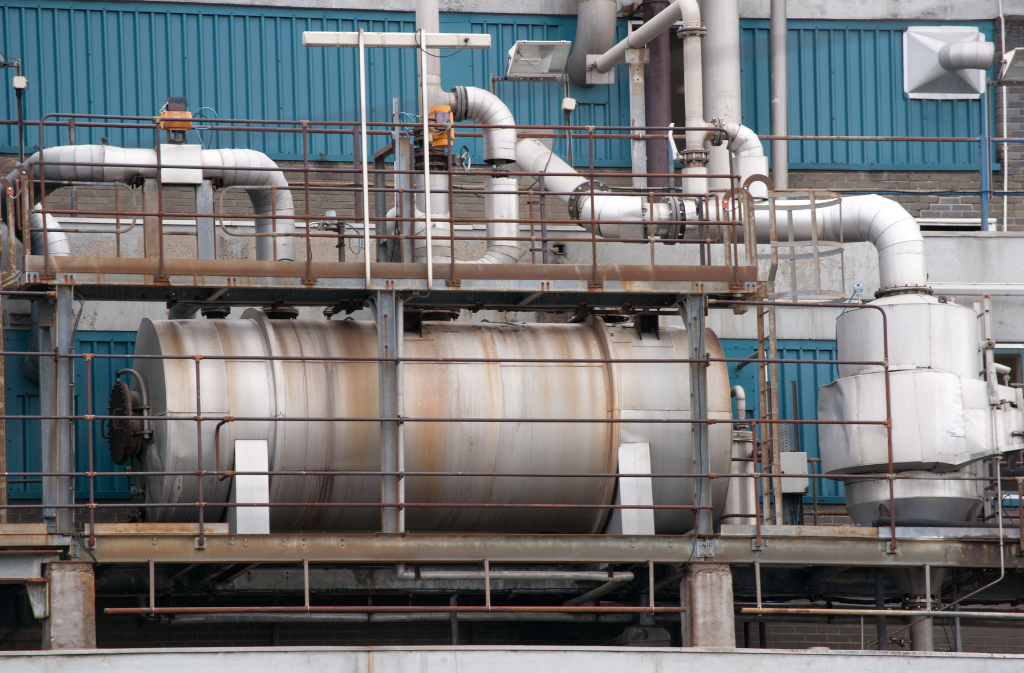
Boilers are particularly vulnerable to scale, hardness deposits, and corrosion products that accumulate as water is heated repeatedly. Over time, these deposits reduce heat transfer, increase energy consumption, and place additional stress on critical equipment.
Citric acid is commonly used during boiler cleaning to dissolve calcium-based scale, magnesium deposits, and certain forms of iron oxide. Removing these deposits helps restore heat transfer efficiency, improve operational efficiency, and support longer equipment life. Because boiler cleaning requires careful chemical selection and monitoring, citric acid is typically applied as part of a planned maintenance process developed by qualified water treatment professionals.
Cooling Water System Cleaning
Cooling towers and other recirculating water systems continuously concentrate dissolved minerals as water evaporates. This can result in mineral buildup, corrosion, and reduced water flow through heat exchangers and piping.
Citric acid is often used during maintenance shutdowns to remove accumulated mineral deposits, light rust, and iron fouling from cooling system components. By restoring cleaner heat transfer surfaces, facilities can improve system performance while supporting consistent water quality and reliable operation.
Reverse Osmosis Membrane Cleaning
Reverse osmosis systems require periodic cleaning to maintain membrane performance and extend service life. As dissolved minerals accumulate on membrane surfaces, they can restrict production capacity and reduce treatment effectiveness.
Citric acid is frequently selected to remove inorganic fouling caused by calcium, iron, and manganese deposits. When used according to manufacturer recommendations, it helps restore membrane performance without unnecessarily exposing the system to more aggressive chemistries. Proper cleaning also supports stable flow rates and helps maintain the overall efficiency of membrane-based treatment systems.
Stainless Steel Passivation
Following fabrication, repair, or chemical cleaning, stainless steel equipment may undergo passivation to strengthen its natural protective oxide layer. Citric acid has become a widely accepted option for this application because it removes free iron contamination from the metal surface while helping prepare the material for long-term service.
Compared with some traditional passivation methods that rely on stronger acids, citric acid offers an effective alternative for many applications when proper procedures are followed. This makes it particularly useful in industries where equipment cleanliness and material integrity are critical, including food processing and high-purity water applications.
pH Adjustment in Selected Water Treatment Processes
While citric acid is primarily recognized as a cleaning chemistry, it may also be used for pH adjustment in selected industrial applications where a low pH environment is required. Because it is a weak organic acid, it provides a controlled method of lowering pH without the strength associated with some mineral acids.
The suitability of citric acid for pH adjustment depends on overall system chemistry, alkalinity, operating conditions, and treatment objectives. Water treatment professionals evaluate these factors carefully to determine whether citric acid is the most effective solution or if another treatment chemistry is better suited for the application.
Benefits and Limitations of Citric Acid in Water Treatment
Selecting the right cleaning chemistry depends on the type of deposits present, system materials, operating conditions, and maintenance objectives. Citric acid offers several advantages for industrial cleaning, but like any treatment chemical, it has limitations that should be considered before use.
| Feature | Citric Acid | Strong Mineral Acids |
|---|---|---|
| Acid type | Weak organic acid | Strong inorganic acids |
| Primary applications | Routine descaling, membrane cleaning, passivation | Heavy-duty descaling and aggressive cleaning |
| Cleaning action | Chelates metal ions and dissolves many mineral deposits | Rapidly dissolves heavy inorganic scale |
| Material compatibility | Generally less aggressive when properly applied | Requires greater attention to material compatibility |
| Environmental profile | Biodegradable and often considered more eco friendly | Handling and disposal requirements vary depending on the acid |
| Best suited for | Controlled maintenance and specialized cleaning | Severe fouling where stronger chemistries are appropriate |
Citric acid is often selected because it provides an effective balance between cleaning performance and material compatibility. It can remove many common contaminants, including mineral scale and certain iron deposits, without relying on more harsh chemicals in every application. Its ability to chelate dissolved metal ions also contributes to effective cleaning while helping preserve valuable equipment when used according to established procedures.
However, citric acid is not the ideal choice for every cleaning project. Extremely heavy scale, severe corrosion products, or specialized fouling may require different treatment chemistries or multi-step cleaning programs to achieve the desired results. Factors such as deposit composition, alkalinity, system materials, and operating conditions all influence chemical selection.
For this reason, experienced water treatment professionals evaluate each application individually rather than relying on a single product for every maintenance need. Choosing the appropriate chemistry improves cleaning effectiveness, supports long-term equipment reliability, and helps maintain consistent water treatment performance.
How ETI Supports Water Treatment Professionals
Selecting the right cleaning chemistry is only one part of an effective maintenance program. Successful citric acid water treatment applications also depend on proper formulation, system compatibility, and technical guidance. As a trusted chemical manufacturer and technical partner, Eastern Technologies, Inc. (ETI) supports independent water treatment companies, distributors, and OEMs with the products and expertise they need to deliver reliable treatment programs without competing for their customers.
ETI offers a broad portfolio of specialty chemical solutions that complement industrial cleaning and maintenance programs, including:
- Cooling and boiler treatment chemicals such as pre-operational and online cleaners, passivators, corrosion inhibitors, dispersants, and antiscalants designed to help control scale, fouling, and corrosion across a wide range of water systems.
- Membrane treatment chemicals, including membrane cleaners, antiscalants, and supporting treatment chemistries that help restore performance, minimize fouling, and extend membrane service life.
- Custom chemical blending backed by ISO 9001:2015-certified manufacturing, allowing partners to develop application-specific formulations tailored to unique operating conditions and water chemistry.
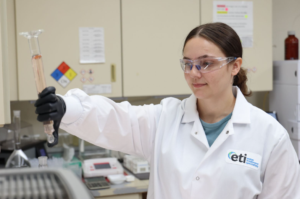
- Technical and laboratory support, including application guidance, water chemistry evaluations, troubleshooting, and product recommendations to help water treatment professionals select the most appropriate cleaning and treatment solutions for their customers.
Rather than offering one-size-fits-all products, ETI works as an extension of its partners’ businesses by providing flexible formulations, private labeling, regulatory support, and ongoing technical expertise. This partner-first approach enables water treatment professionals to confidently address challenges involving scale removal, equipment protection, and system performance across industrial applications.
If you’re looking for a dependable partner for Cooling & Boiler Treatment Chemicals, Membrane Treatment Chemicals, or Custom Chemical Blending, contact ETI to learn how our technical expertise and custom formulations can help strengthen your water treatment programs.
Frequently Asked Questions (FAQs)
Can citric acid replace a water softener in hard water applications?
No. Citric acid is a cleaning and descaling chemical, not a water softener. Unlike water softening systems, which remove hardness minerals through a resin bed and periodic brine regeneration in brine tanks, citric acid is used to remove existing scale and mineral deposits from equipment.
Is citric acid effective for removing iron and manganese deposits?
Yes, citric acid can help remove iron and certain manganese deposits from industrial equipment when used as part of an appropriate cleaning program. However, the effectiveness depends on the type and severity of the deposits, as well as the recommended cleaning procedure.
Can citric acid be used in potable water treatment systems?
Citric acid may be used during cleaning and maintenance procedures for certain potable water equipment when appropriate industry guidelines and manufacturer recommendations are followed. It is not a replacement for chlorine or other disinfectants used to maintain safe drinking water quality.
Does citric acid help reduce corrosion in industrial equipment?
Citric acid can assist with cleaning deposits that contribute to under-deposit corrosion, and it is commonly used in stainless steel passivation processes. Long-term corrosion control, however, typically requires a complete water treatment program that manages pH, alkalinity, dissolved minerals, and overall system chemistry.
How can routine cleaning improve industrial water system performance?
Routine maintenance helps remove rust, mineral deposits, and other contaminants that restrict flow and reduce equipment efficiency. Combined with properly selected treatment chemicals and well-maintained filters, regular cleaning supports reliable operation, extends equipment life, and helps maintain consistent water quality.