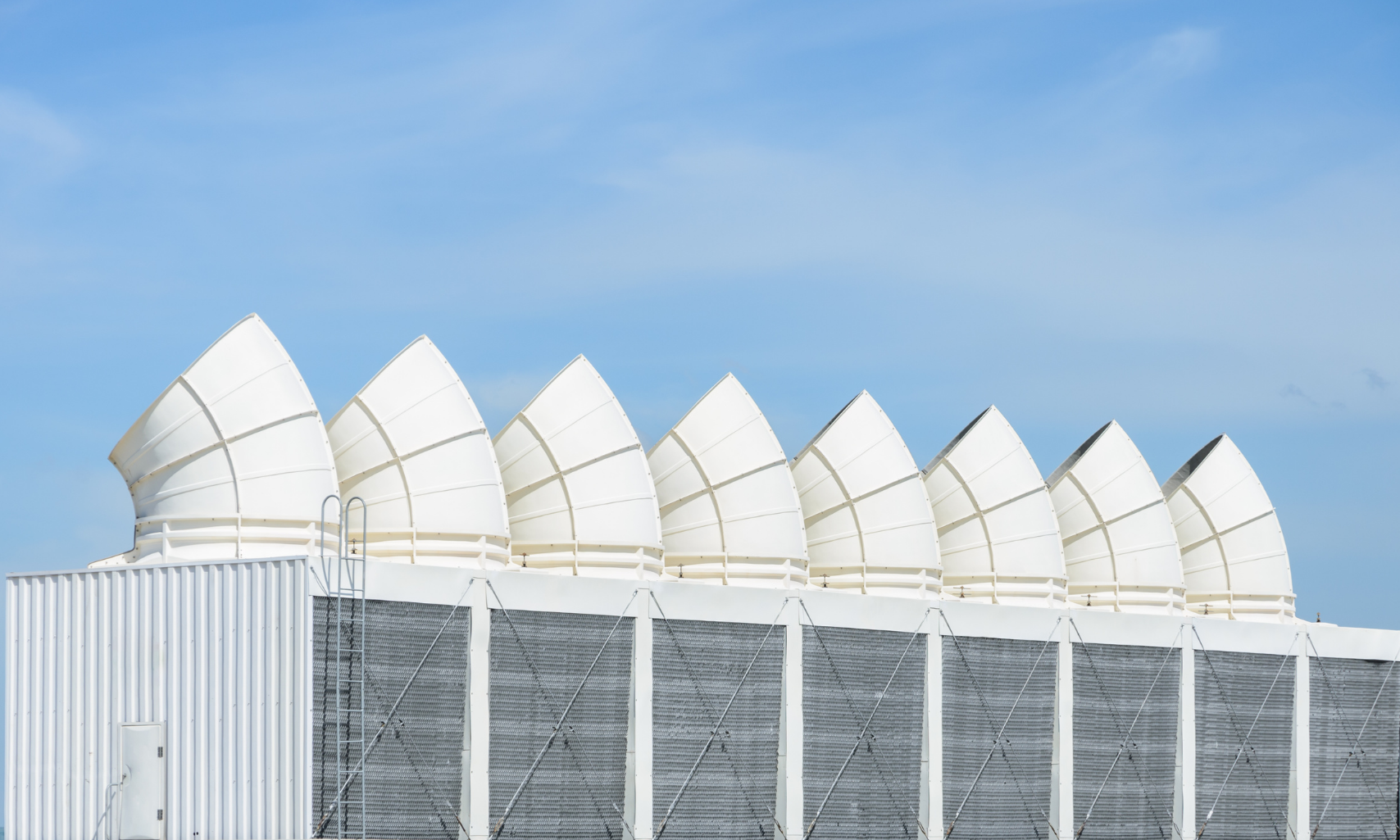
Legionella risk remains a growing public health concern in commercial and industrial building water systems. The bacteria called Legionella can develop in poorly controlled environments where water temperature, stagnation, and inadequate maintenance create favorable conditions for bacterial growth. When contaminated water becomes aerosolized through small droplets or water sprays, people exposed may inhale the bacteria, potentially leading to Legionnaires’ disease, a serious type of lung infection.
Modern water systems are increasingly complex, especially in facilities that rely on cooling towers, hot water tanks, decorative fountains, and other manmade water systems. As awareness of legionella risk continues to increase, building owners and water treatment professionals are placing greater emphasis on legionella prevention, monitoring, and long-term water management strategies that support public health and reduce operational risk.
Understanding Legionella and How Exposure Occurs
Legionella bacteria are naturally found in freshwater environments, but they become a greater concern when they grow inside building water systems and other manmade water systems. Among the many legionella species identified, Legionella pneumophila is the type most commonly associated with legionnaires disease and pontiac fever. Conditions such as warm temperatures, stagnant water, scale buildup, and insufficient disinfectant levels can all contribute to legionella growth and increased bacterial growth within water systems.
Where Legionella Bacteria Thrive
Legionella bacteria are more likely to multiply in environments where water temperature falls within a range favorable for microbial activity. Poorly maintained systems with inconsistent disinfectant residual levels may allow bacteria and other bacteria to survive and spread more easily.
Common environments associated with legionella growth include:
- Cooling towers
- Hot tubs
- Decorative fountains
- Shower heads
- Evaporative condensers
- Hot water tanks
- Cold water systems with stagnation issues
Complex building water systems with extensive water pipes and low-flow areas can also create conditions that increase legionella risk over time.
How Exposure Happens
People are typically exposed when contaminated water droplets become airborne and are inhaled. These small droplets can be generated through water sprays, splashing, or mechanical processes that disperse aerosolized water into the surrounding environment.
Legionella exposure is generally not linked to drinking water consumption itself. Instead, the primary concern involves inhaling contaminated mist from sources connected to hot water or cold water systems.
Common Sources of Exposure
Many industrial and commercial facilities contain equipment capable of generating aerosolized water. If these systems are not properly maintained, legionella contamination can occur and spread throughout occupied areas.
Examples of potential exposure sources include:
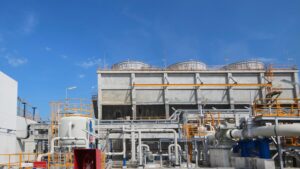
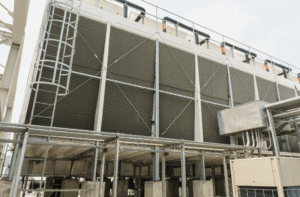
- Cooling towers used in HVAC operations
- Hot tubs and spa systems
- Decorative fountains in public spaces
- Industrial processes involving recirculated water
- Shower heads and plumbing fixtures
- Water systems aboard cruise ships
- Certain swimming pools with inadequate maintenance controls
Understanding where and how exposure occurs is an important first step in assessing legionella risk and implementing appropriate control measures.
Key Risk Factors in Complex Water Systems
Assessing legionella risk requires more than identifying where water is present. Water treatment professionals and facility operators must evaluate how system design, operating conditions, maintenance practices, and environmental factors contribute to legionella growth within complex water systems. Even properly designed systems can become vulnerable when water quality control and maintenance procedures are inconsistent.
Water Temperature and Stagnation
Water temperature plays a major role in bacterial survival and reproduction. Both hot water and cold water systems can contribute to problems when water remains stagnant or fails to maintain conditions that discourage microbial activity.
Areas with low flow or infrequent use may allow bacterial growth to develop inside water pipes, storage vessels, and connected equipment. Over time, biofilm, sediment, and scale accumulation can shield legionella bacteria from disinfectants and other control measures.
Areas Where Legionella Risk Increases
Certain environments and equipment types naturally present a higher legionella risk because they generate aerosolized water or operate under conditions favorable to contamination.
Common Risk Factors in Building Water Systems
| Risk Factor | Why It Matters |
|---|---|
| Warm stagnant water | Supports legionella growth |
| Low disinfectant residual | Reduces microbial control effectiveness |
| Scale and biofilm buildup | Protects bacteria from treatment |
| Dead legs in piping | Encourages water stagnation |
| Inconsistent maintenance | Increases contamination potential |
| Poorly monitored water temperature | Creates favorable growth conditions |
Facilities commonly requiring additional attention include:
- Cooling towers and evaporative condensers
- Large healthcare facility plumbing systems
- Industrial processes using recirculated water
- Hot water tanks and storage systems
- Decorative water features
- Older building water systems with aging infrastructure
Monitoring and Control Measures
Routine monitoring is essential for identifying legionella contamination before it becomes a larger health concern. Water management plans often include inspections, operational reviews, and collection of water samples to identify legionella species and evaluate microbial activity.
An effective water management program may include:
- Monitoring water temperature throughout the system
- Maintaining adequate disinfectant residual levels
- Reviewing areas affected by recent plumbing work
- Performing cleaning and preventative maintenance
- Evaluating colony forming units during microbial testing
- Documenting corrective actions and operational changes
Because every facility contains different risk factors and operating conditions, control strategies should be tailored to the specific demands of each system. Addressing legionella risk proactively helps support safer operations, regulatory compliance, and long-term system reliability.
Prevention and Control Strategies
Reducing legionella risk requires a proactive and consistent approach to system maintenance, monitoring, and operational oversight. Because legionella bacteria can develop in a wide range of building water systems, organizations should implement structured procedures focused on control and prevention rather than reacting only after contamination is discovered.
Developing a Water Management Program
An effective water management program helps organizations identify conditions that may support bacterial growth and establish procedures to prevent legionella growth throughout the system. Water management plans are especially important for facilities with complex plumbing infrastructure, aerosol-generating equipment, or populations considered high risk.
An effective water management program typically includes:
- Identifying areas where water stagnation may occur
- Monitoring hot water and cold water temperatures
- Maintaining appropriate disinfectant residual levels
- Inspecting equipment associated with aerosolized water
- Reviewing operational changes and plumbing work
- Documenting maintenance activities and corrective actions
These programs should be customized to the facility’s operating conditions, system design, and specific risk factors.
Routine Monitoring and Maintenance
Routine inspection and maintenance play a critical role in addressing legionella contamination before it develops into a larger health concern. Cooling towers, evaporative condensers, decorative fountains, and hot water tanks should be properly maintained according to operational requirements and manufacturer’s instructions.
Facilities may also perform periodic microbial testing and collect water samples to identify legionella when elevated risk conditions are suspected. Monitoring programs often evaluate water temperature, disinfectant performance, system cleanliness, and the presence of other factors that may encourage microbial activity.
Maintaining effective disease control strategies also involves minimizing biofilm buildup, reducing stagnant water conditions, and ensuring water systems operate as intended throughout the facility.
Responding to Potential Legionella Contamination
When legionella contamination is suspected or confirmed, organizations should respond quickly to limit further exposure risks. Depending on the severity of the situation, facilities may work with water treatment professionals, environmental consultants, or the state health department to determine appropriate corrective actions.
Response activities may include:
- Cleaning and disinfecting affected systems
- Increasing monitoring frequency
- Reviewing system operation and maintenance records
- Evaluating potential legionella exposures
- Implementing additional control measures
- Coordinating with the local health department when necessary
Consistent monitoring, preventative maintenance, and clear water management procedures remain some of the most effective ways to reduce legionella risk in commercial and industrial environments.
ETI Support for Water Treatment Professionals
Managing legionella risk in complex water systems often requires more than routine chemical treatment alone. Water treatment professionals must balance microbial control, system efficiency, regulatory considerations, and long-term operational reliability across a wide range of applications. This is especially important in cooling towers, process water systems, and other environments where legionella growth and biofouling can create elevated health and operational concerns.
Technical Support for Water Management Programs
Eastern Technologies, Inc. (ETI) supports independent water treatment professionals with technical guidance, microbial control solutions, and customized chemical programs designed for complex industrial and commercial systems. ETI’s capabilities include oxidizing and non-oxidizing biocide programs, biodispersants, cooling water treatment chemistries, and support tools that help customers monitor and address microbial activity more effectively.
Flexible Solutions for Cooling and Industrial Water Systems
ETI provides customized treatment solutions for cooling systems, closed loops, process water, and other industrial applications where bacterial growth, fouling, and system reliability are ongoing concerns. In addition to custom formulation capabilities, ETI offers regulatory support, laboratory services, troubleshooting assistance, and technical resources that help water treatment companies implement effective water management plans while maintaining operational performance.
Supporting Independent Water Treatment Professionals
Unlike providers that compete directly for end-user business, ETI operates through a partner-first model focused on supporting water treatment companies, distributors, and OEMs. This approach allows customers to access broad technical expertise, flexible manufacturing capabilities, and responsive support while continuing to strengthen their own client relationships.
For organizations seeking reliable support in managing microbial control and water treatment challenges, contact ETI Water to learn more about its customized treatment programs and technical support solutions.