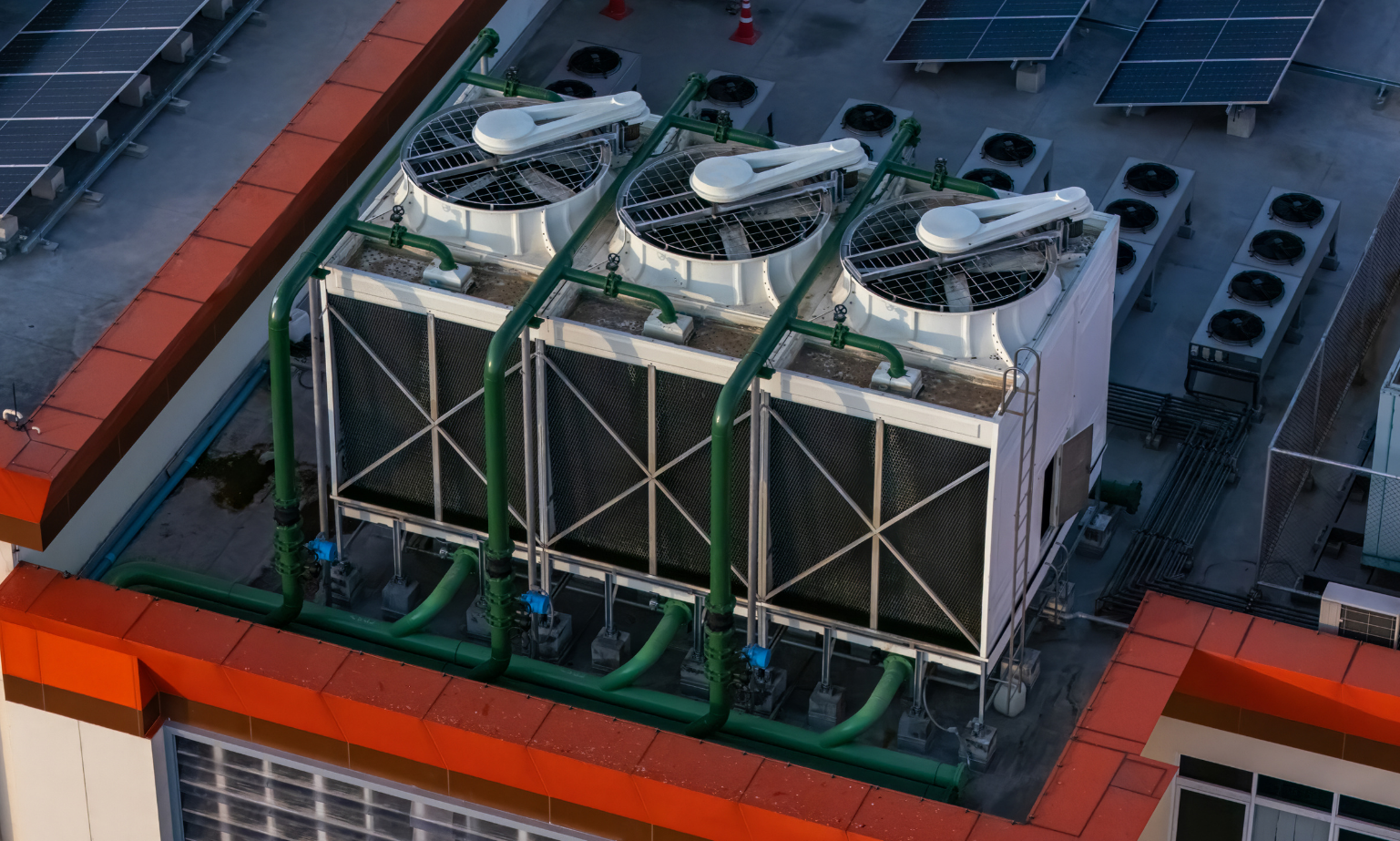
As digital infrastructure continues to expand, reliable thermal management has become a critical priority for modern data centers. Higher rack densities, AI-driven workloads, and growing demand for uninterrupted uptime are placing increasing pressure on every data center cooling system. Among the many cooling technologies available today, data center cooling towers remain one of the most widely used solutions for managing large-scale heat rejection efficiently and cost-effectively.
In many data centers, cooling performance directly affects operational stability, energy efficiency, and long-term equipment reliability. Cooling towers play a central role in supporting data center cooling by helping remove heat generated by servers, power systems, and other critical IT equipment. However, maintaining cooling efficiency requires more than mechanical infrastructure alone. Water quality management is essential to controlling scale, corrosion, microbiological growth, and excessive water usage within cooling tower systems.
As cooling demands continue to rise across modern data centers, water treatment programs are becoming increasingly important for maintaining reliable operation, protecting infrastructure, and supporting sustainable cooling practices.
Why Data Center Cooling Towers Matter
Modern data centers generate substantial amounts of heat as servers, storage systems, and networking equipment operate continuously. To maintain safe operating conditions, facilities rely on specialized cooling technologies designed to remove heat efficiently while supporting stable environmental conditions. Among the most common approaches, data center cooling towers continue to play a major role in large-scale thermal management because they provide effective heat rejection for high-capacity operations.
How Cooling Towers Support Data Center Operations
In many facilities, the cooling process begins with mechanical chillers that remove heat from chilled water circulating through the building. That heat is then transferred through a heat exchanger into a condenser water loop connected to a cooling tower. The cooling tower helps reject heat from the system through evaporative cooling, allowing the cooled water to recirculate and continue supporting the overall cooling system.
This process helps maintain stable temperatures for critical IT equipment while supporting continuous operation across the facility. Because cooling loads can fluctuate significantly depending on workload demand and data center capacity, cooling tower systems are designed to operate efficiently under varying conditions.
Why Evaporative Cooling Remains Common
Despite the growth of alternative cooling technologies, evaporative cooling remains widely used because it can deliver strong cooling efficiency while reducing overall energy demand compared to some fully air cooled systems.
Common advantages include:
- Efficient heat rejection for high-density environments
- Lower operating energy requirements in many climates
- Scalable support for large data center cooling systems
- Ability to maintain maximum thermal efficiency during high workloads
- Reduced strain on mechanical chillers in certain operating conditions
For many facilities, evaporative cooling continues to provide a practical balance between operational performance and energy efficiency.
Typical Components in Cooling Tower Systems
Most data center cooling systems include several interconnected components that work together to remove heat and maintain stable operation.
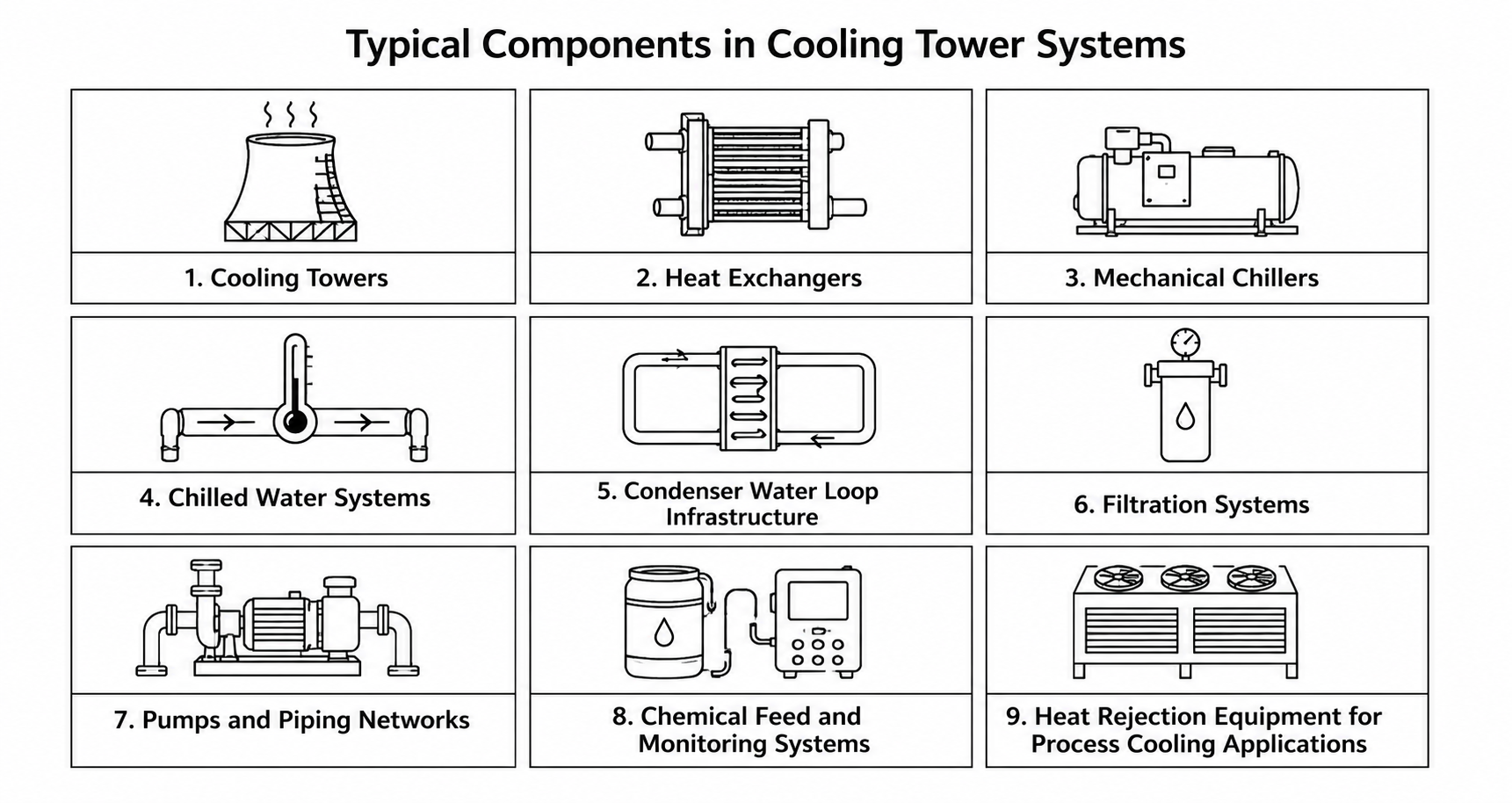
Together, these systems help provide cooling for mission-critical operations while supporting reliable thermal management across modern data centers.
Water Treatment Challenges in Cooling Tower Systems
While cooling towers provide efficient heat rejection for large facilities, they also create demanding water chemistry conditions that can affect long-term system reliability. In many data center cooling towers, water continuously circulates through open cooling towers where it is exposed to heat, airborne contaminants, and ongoing water evaporation. Without proper treatment and monitoring, these conditions can reduce cooling efficiency, increase maintenance requirements, and place critical infrastructure at risk.
Scale Formation and Heat Transfer Loss
As water evaporates during the cooling process, dissolved minerals become more concentrated within the cooling water system. Over time, this can lead to scale formation on heat transfer surfaces, piping, and heat exchanger components.
Common contributors to scale formation include:
- Calcium hardness
- Silica
- Magnesium compounds
- Carbonates
- Suspended solids
Even thin deposits can reduce thermal transfer performance and force cooling equipment to work harder to dissipate heat effectively. In high-load environments, reduced heat transfer efficiency may increase energy consumption and place additional stress on cooling infrastructure operating near safe limits.
Because many data centers operate continuously, maintaining clean heat transfer surfaces is essential for stable long-term operation and improved efficiency.
Corrosion Risks in Cooling Water Systems
Cooling tower environments expose metal surfaces to oxygen, dissolved solids, changing pH conditions, and elevated temperatures. Over time, these conditions can contribute to corrosion within piping, condenser systems, and other heat rejection equipment.
Commonly affected materials may include:
- Mild steel
- Copper
- Stainless steel
- Aluminum
- Galvanized components
Corrosion can create several operational concerns, including reduced equipment lifespan, leaks, restricted flow, and declining data center performance. Facilities operating with higher temperature conditions or aggressive water chemistry may face even greater challenges if treatment programs are not carefully managed.
Effective corrosion control programs typically involve water chemistry monitoring, inhibitor selection, and operational adjustments designed to maintain stable cooling conditions throughout the system.
Biofouling and Legionella Concerns
Cooling towers also create favorable conditions for microbiological growth because warm water, oxygen exposure, and airborne nutrients support bacterial activity. If not controlled properly, biological growth can reduce system performance and create serious operational and health concerns.
Potential microbiological issues include:
- Slime formation
- Algae growth
- Bacterial contamination
- Reduced cooling efficiency
- Fouled heat transfer surfaces
One of the most significant concerns in cooling tower systems is Legionella bacteria, which can spread through aerosolized water droplets under certain conditions. Organizations such as OSHA and the WHO continue to emphasize the importance of proper cooling water management and microbiological control practices.
Biofouling can also interfere with filtration systems, increase pressure losses, and reduce the ability of tower systems to remove heat effectively. Maintaining proper treatment programs and routine monitoring is critical for minimizing these risks.
Water Usage and Blowdown Management
Water management is another major operational consideration for cooling towers. As water evaporates, dissolved solids remain behind and become increasingly concentrated. To maintain stable operating conditions, facilities must discharge a portion of circulating water through cooling tower blowdown, also referred to as tower blowdown or blowdown water.
This process helps control:
- Mineral concentration
- Corrosion potential
- Fouling conditions
- Biological activity
However, blowdown management directly affects water consumption because discharged water must be replaced with fresh makeup water from the local water supply. Poorly optimized systems may consume excessive amounts of water while also increasing chemical usage and operational costs.
Balancing water usage effectiveness with reliable cooling performance has become increasingly important as many data centers pursue sustainability goals and long-term resource management strategies.
| Water Treatment Challenge | Potential Operational Impact |
|---|---|
| Scale formation | Reduced heat transfer efficiency |
| Corrosion | Equipment degradation and leaks |
| Biofouling | Reduced cooling efficiency and fouling |
| Poor blowdown control | Increased water consumption |
| Inadequate filtration | Higher maintenance requirements |
| Unstable water chemistry | Reduced operational reliability |
Emerging Cooling Technologies in Modern Data Centers
As computing demands continue to increase, many facilities are reevaluating how they manage heat within high-density environments. AI workloads, advanced processors, and rising data center capacity requirements are pushing traditional cooling infrastructure to operate more aggressively. In response, operators are adopting a wider range of cooling technologies designed to improve thermal control, support energy efficiency, and maintain stable operation under heavier processing loads.
While traditional cooling tower systems remain common, newer cooling methods are becoming increasingly important in modern data centers with specialized performance requirements.
Traditional Cooling Towers vs. Liquid Cooling Approaches
Different cooling strategies offer distinct operational advantages depending on the data center’s size, workload density, environmental conditions, and sustainability objectives.
| Cooling Method | Advantages | Considerations |
|---|---|---|
| Open cooling towers | Efficient heat rejection for large facilities | Higher water consumption and water treatment requirements |
| Air cooled systems | Lower dependence on local water supply | Increased energy demand in warmer climates |
| Direct liquid cooling | Supports high-density IT equipment effectively | Greater infrastructure complexity |
| Immersion cooling | High thermal efficiency using dielectric fluids | Specialized maintenance and design requirements |
| Free cooling systems | Reduced mechanical cooling demand in suitable climates | Performance depends on ambient air conditions |
Among emerging approaches, direct liquid cooling is gaining attention because it transfers heat more efficiently than some traditional air conditioning methods. In these systems, liquid cooling loops circulate near processors or directly through specialized cold plates to remove heat closer to the source.
Immersion cooling represents another evolving strategy where servers operate within engineered dielectric fluids that absorb and transfer heat efficiently. Although still less common than traditional center cooling methods, immersion systems are attracting interest for high-performance computing applications.
Hybrid Cooling Strategies
Many existing data centers are now adopting hybrid cooling approaches that combine traditional cooling infrastructure with newer efficient cooling solutions. These systems may integrate cooling towers with liquid cooling, free cooling, or water side economizer technologies to improve flexibility and reduce operational costs.
In cooler climates, facilities may use outside air or ambient air conditions to reduce reliance on mechanical chillers during portions of the year. Free air cooling strategies can help lower energy consumption while supporting overall cooling efficiency.
At the same time, some facilities continue using chilled water systems alongside advanced cooling technologies to balance reliability, scalability, and operational control. Because no single cooling method fits every environment, modern data center cooling design increasingly focuses on combining multiple strategies to provide cooling while optimizing both thermal performance and sustainability goals.
Water Efficiency and Sustainability Considerations
As digital infrastructure expands globally, water stewardship is becoming a growing priority across the data center industry. Many data centers now evaluate both energy usage and water consumption as part of broader sustainability initiatives. Alongside metrics such as power usage effectiveness, operators are increasingly monitoring water usage effectiveness to better understand how cooling operations affect long-term resource demands.
Because evaporative cooling depends on water evaporation to reject heat, cooling tower systems require ongoing makeup water to replace water lost during operation and tower blowdown. In regions facing water scarcity or infrastructure limitations, facilities must balance reliable cooling performance with responsible water usage practices.
Balancing Cooling Performance and Water Conservation
Maintaining proper cooling conditions while reducing water consumed has become a major challenge for operators managing large-scale facilities. Cooling systems must continue removing heat effectively even as organizations pursue sustainable solutions designed to reduce environmental impact.
Several factors influence overall water usage within a facility, including:
- Cooling method selection
- Climate conditions
- Data center capacity
- Operating temperature set point
- System maintenance practices
- Water chemistry management
Facilities operating in warmer climates may require additional cooling support during periods of higher temperature, which can increase both cooling demand and water consumption. At the same time, poorly managed cooling water conditions can reduce efficiency and increase unnecessary water loss.
Strategies Facilities Use to Improve Efficiency
To support long-term sustainability goals, many facilities are implementing strategies designed to improve efficiency while reducing strain on the local water supply.
Common approaches include:
- Increasing cycles of concentration to reduce water discharged through blowdown
- Improving filtration systems to maintain cleaner circulating water
- Optimizing cooling system controls for stable operation
- Using water side economizer strategies during cooler operating conditions
- Monitoring water usage effectiveness alongside energy performance
- Integrating sustainable solutions into new data center project planning
As cooling requirements continue evolving across most data centers, operators are placing greater emphasis on balancing reliable operation, energy efficiency, and responsible resource management. Effective water treatment programs remain an important part of achieving those goals while supporting long-term cooling performance.
How ETI Supports Water Treatment Professionals Serving Data Centers
As cooling infrastructure becomes more advanced, water treatment programs require a higher level of technical expertise, operational flexibility, and product reliability. Facilities operating data center cooling towers must manage changing water chemistry conditions, microbiological risks, scaling tendencies, and system efficiency demands while maintaining continuous uptime. For water treatment professionals supporting these environments, access to responsive technical and manufacturing support can play an important role in long-term program success.
Technical Support for Cooling Water Programs
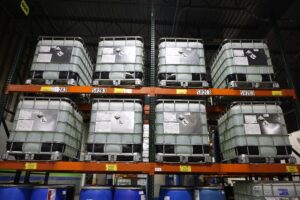
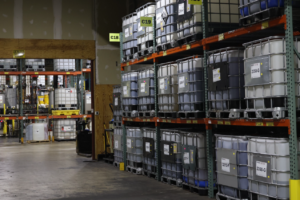
Eastern Technologies, Inc. (ETI) supports independent water treatment companies, distributors, and OEMs with customized chemical programs designed for complex cooling water applications. Rather than competing directly for end users, ETI operates as a technical and manufacturing partner that helps customers deliver reliable treatment solutions across a wide range of industrial cooling environments.
ETI’s cooling water treatment capabilities include support for:
- Open recirculating cooling systems
- Closed loop systems
- Process cooling applications
- Once-through systems
- High scale potential environments
- High corrosion conditions
- Variable water chemistry operations
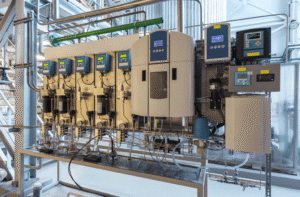
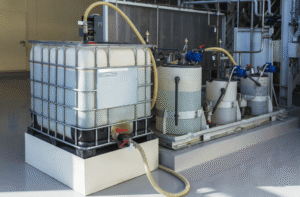
Treatment programs may incorporate antiscalants, corrosion inhibitors, advanced dispersants, alkalinity control products, and system-specific formulations designed to help maintain heat transfer efficiency and improve overall cooling performance.
Flexible Chemistry and Microbial Control Support
Microbiological control remains a major concern in cooling tower systems because warm water and nutrient exposure can contribute to biofouling, slime formation, and operational instability. ETI provides a broad portfolio of oxidizing and non-oxidizing biocides that support flexible microbial control strategies for industrial cooling systems.
Available support includes:
- Bromine-based oxidizers
- Chlorine-based oxidizers
- Isothiazolin chemistries
- DBNPA
- Glutaraldehyde
- THPS
- Biodispersants and surfactants
- Biofilm monitoring support
- Regulatory and labeling assistance
In addition to chemical manufacturing, ETI also provides technical guidance, laboratory support, troubleshooting assistance, and application recommendations designed to help water treatment professionals optimize treatment performance under changing operating conditions.
Also read our blog: Cooling Tower Biocides: Selection & Best Practices
Operational Reliability and Partner Support
Because cooling reliability directly affects operational stability in many data centers, consistent product quality and dependable support remain essential. ETI combines custom chemical blending capabilities with ISO-certified manufacturing processes to support product consistency, traceability, and flexible formulation development.
ETI’s broader support model also includes:
- Water analysis support
- Deposit and corrosion analysis
- Field troubleshooting assistance
- Training and technical education
- Documentation and regulatory guidance
- Custom formulation development
- Private labeling capabilities
This partner-focused approach allows water treatment professionals to access enterprise-level technical resources while maintaining the flexibility and responsiveness needed to support evolving cooling technologies and mission-critical operations.
To learn more about ETI’s cooling water treatment capabilities and technical support services, contact ETI Water to discuss solutions for data center cooling and industrial water treatment applications.