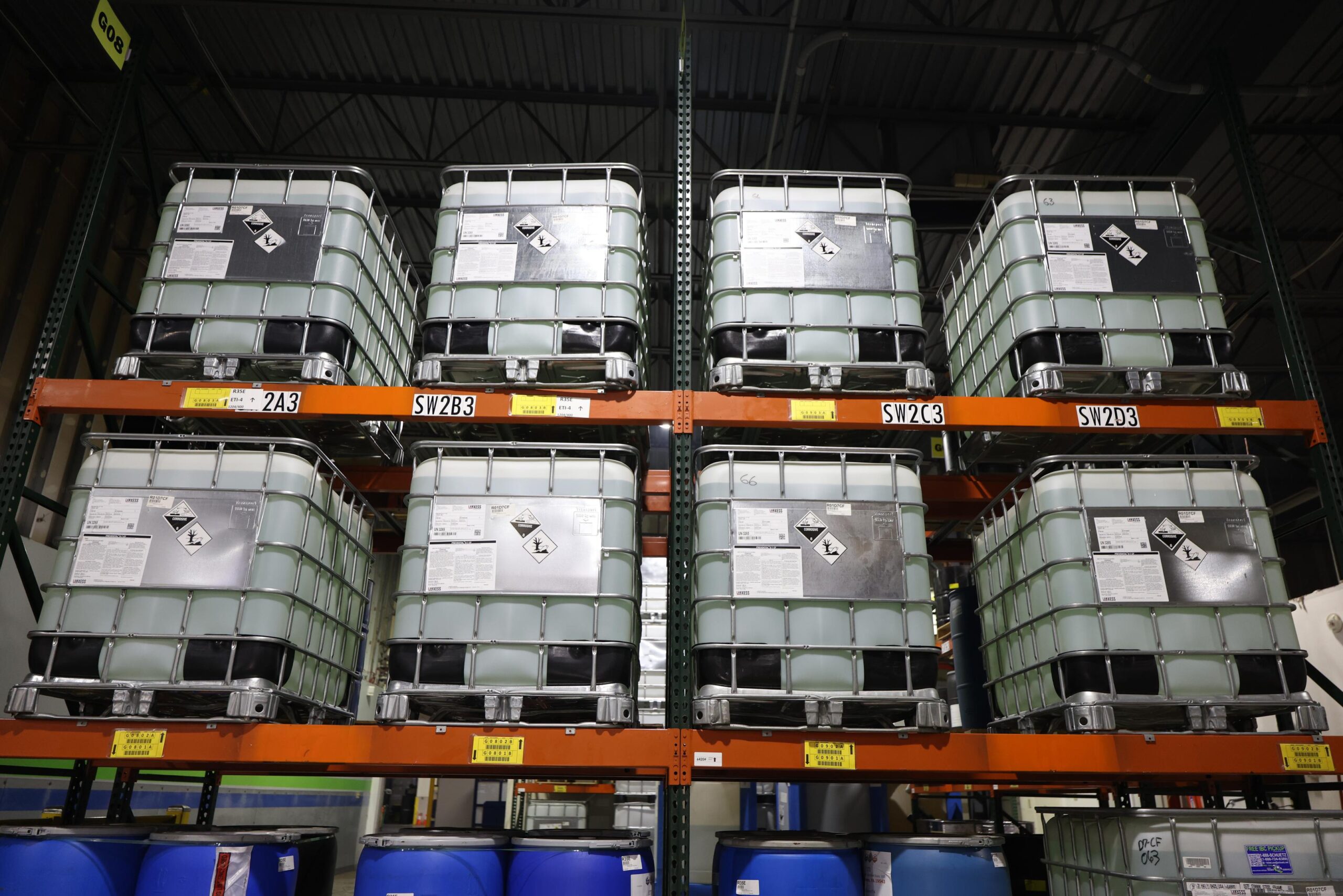
For independent water treatment companies, expanding into chemical sales can create new opportunities to serve existing customers more completely while strengthening recurring revenue. However, adding chemical line water treatment business capabilities requires more than choosing a few products and placing an order.
A successful chemical program should align with the systems you already service, the water quality issues your customers face, and the technical support your team can provide. Product selection, regulatory requirements, supply reliability, safety, and ongoing service all play a role in building a chemical line that supports long-term business growth.
Key Takeaways
- Build your chemical line around the applications and water quality needs your customers already have.
- Start with a focused product portfolio, then expand as demand, technical capability, and internal capacity grow.
- Evaluate suppliers based on technical support, manufacturing quality, regulatory assistance, and supply reliability, not cost alone.
- Prepare your team, storage, documentation, and ordering processes before launch.
- Choose a supplier whose business model supports your customer relationships rather than competing for them.
Step 1. Evaluate Your Existing Customer Needs
Before expanding your product offering, review the water treatment systems and applications your team already supports. The strongest opportunities usually come from recurring water quality issues that existing customers already rely on you to help manage. Consider water usage, operating conditions, equipment, treatment goals, and the technical capabilities required for each application.
Common areas to evaluate include:
- Cooling water and boiler systems
- Closed-loop treatment
- Process water applications
- Wastewater treatment
- Bacteria and microbial control
- Scale, corrosion, and other contaminants
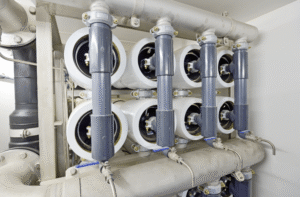
- Filtration, RO, or pre treatment needs
Start with applications that match your current expertise and customer demand. This helps keep the chemical line focused, practical, and easier to support as the business grows.
Step 2. Build the Right Chemical Product Line
When adding chemical line water treatment business capabilities, the goal should be to build a focused portfolio that matches the systems and treatment needs your team already understands. A comprehensive range is useful, but only when each product supports a clear application and can be backed by the right technical guidance.
Cooling and Boiler Treatment
Core products may include corrosion inhibitors, scale control chemistries, cleaners, and treatments designed to support system performance across cooling and boiler applications.
Microbial Control
Where bacteria and biological growth are concerns, treatment options may include oxidizing and non-oxidizing biocides. These chemicals should be selected carefully based on system conditions, performance goals, and applicable regulatory requirements.
Wastewater and Specialty Treatment
Depending on your customers, the line may also include coagulants, flocculants, process water treatments, membrane-related products, or other specialty solutions. The best approach is to expand in stages, adding products only when there is a clear fit with customer demand and your ability to provide effective treatment support.
Step 3. Choose the Right Chemical Supplier and Technical Partner
The right supplier should provide more than chemicals at a competitive cost. A strong partner can help you match products to specific applications, maintain reliable supply, and support your team when technical or operational issues arise.
When comparing suppliers, consider factors such as:
- Manufacturing and quality-control practices
- Product consistency and performance
- Technical and field support
- Application expertise for industrial and commercial systems
- Availability of product documentation and safety information
- Custom formulation or private-label capabilities
- Packaging, quantity, and capacity options
- Lead times and supply reliability
- Regulatory support where required
- Whether the supplier competes for the same end-user customers
Price matters, but it should not be the only deciding factor. The broader solution includes product quality, service, technical knowledge, and dependable support that can help protect customer relationships and keep treatment programs running effectively.
Step 4. Address Safety, Compliance, and Product Documentation
Adding chemicals to your water treatment offering also adds responsibilities related to safety, labeling, storage, and documentation. Before launching, make sure your team understands the requirements that apply to the products you plan to supply and the operations involved in handling them.
Safety Data and Workplace Communication
Maintain current Safety Data Sheets and ensure employees understand applicable OSHA Hazard Communication requirements. Labels, hazard information, personal protective equipment, and safe handling procedures should be part of routine training and maintenance practices.
Product-Specific Regulatory Requirements
Some products, including certain chlorine-based or antimicrobial treatments, may be subject to EPA requirements. The exact obligations depend on the chemical, intended use, and state or federal regulations, so documentation should be reviewed before products are sold or applied.
Storage, Handling, and Transportation
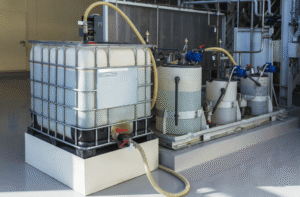
Evaluate storage space, tank compatibility, spill controls, and any transportation requirements before bringing new chemicals on site. Proper planning helps reduce safety risks, prevent damage to equipment, and support more consistent day-to-day operations.
Step 5. Decide Between Manufacturer Label and Private Label
Another important decision is whether to sell products under the manufacturer’s brand or develop a private-label line. Both approaches can work well, but the right choice depends on your business goals, customer relationships, volume, and the level of support available from the supplier.
| Consideration | Manufacturer Label | Private Label |
|---|---|---|
| Branding | Uses the manufacturer’s established brand | Uses your company’s brand |
| Setup | Usually simpler to launch | May require additional coordination |
| Customer experience | Keeps the supplier visible | Creates a more unified branded offering |
| Flexibility | Depends on the manufacturer’s standard options | May allow more packaging or formulation flexibility |
| Compliance | Often managed primarily by the manufacturer | Additional requirements may apply for regulated products |
Private labeling can offer branding benefits, but it should not be treated as a packaging decision alone. For certain regulated chemicals, labeling, registration, and documentation requirements may need to be addressed before the product can be sold under a private brand.
Step 6. Plan Inventory, Training, and Launch
Once the product line is defined, adding chemical line water treatment business capabilities should move into a controlled rollout. Starting small can help limit unnecessary cost, reduce inventory risk, and give your team time to refine procedures before expanding.
- Select a focused group of core products. Start with the chemicals most relevant to your current customers and treatment programs.
- Choose pilot accounts or applications. Use familiar systems where your team can closely monitor results.
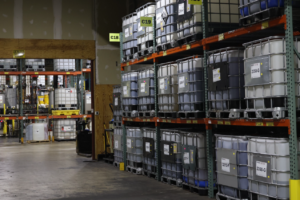
- Plan inventory and storage. Confirm available space, required equipment, package sizes, and reorder points before you buy.
- Train sales and service teams. Make sure employees understand product use, safety, application limits, and when to escalate technical questions.
- Set up documentation and ordering procedures. Standardize product records, usage tracking, and supply processes.
- Monitor treatment performance. Review chemical usage, customer feedback, and operational issues before expanding.
- Scale gradually. Add new products only when demand and internal capacity support the next step.
How ETI Can Support Your Chemical Line
For independent water treatment companies, distributors, and OEMs, the right supplier can make it easier to expand a chemical offering without building every manufacturing and technical capability in-house. ETI supports water treatment professionals with products and services designed to strengthen their existing customer relationships.
Relevant support includes:
- Custom chemical blending for cooling, boiler, wastewater, and specialty applications
- Private-label options for companies building their own branded chemical line
- Technical support for product selection, application guidance, and troubleshooting
- Laboratory support, including water and deposit analysis
- Regulatory guidance, SDSs, product documentation, and registration assistance
- A broad supply of treatment chemicals that can support multiple industrial applications
If you are evaluating how to expand your chemical offering, contact ETI Water to discuss the products, technical support, and manufacturing capabilities that can help you build a line suited to your customers and business.
Frequently Asked Questions
What chemicals should a water treatment business start offering?
Start with chemicals that match the treatment needs already present in your customer base, such as cooling, boiler, microbial control, wastewater, or process water applications. A focused starting lineup is usually easier to support than trying to buy a complete catalog before demand is proven.
How do I choose a supplier when adding chemical line water treatment business services?
Compare suppliers based on manufacturing quality, technical service, application expertise, documentation, supply reliability, and whether they support your customer relationships. Cost matters, but long-term performance and dependable support are just as important.
Can water treatment chemicals be sold under a private label?
Yes, private-label programs can help a water treatment business create a more consistent brand experience for customers. Some regulated chemicals, including certain antimicrobial or chlorine-based products, may have additional labeling, registration, or documentation requirements.
What safety requirements should I consider before selling treatment chemicals?
Review OSHA requirements, Safety Data Sheets, storage conditions, handling procedures, employee training, and any transportation rules that apply to your operations. The exact requirements will depend on the chemicals, equipment, tank storage, site conditions, and applicable state or federal regulations.
Should my chemical line include filtration, RO, or pre treatment products?
It can, especially if your customers already rely on filtration, RO, pre treatment, soft water, or related water treatment systems. Add these products only when they match your technical capabilities and provide a clear solution for customer needs.