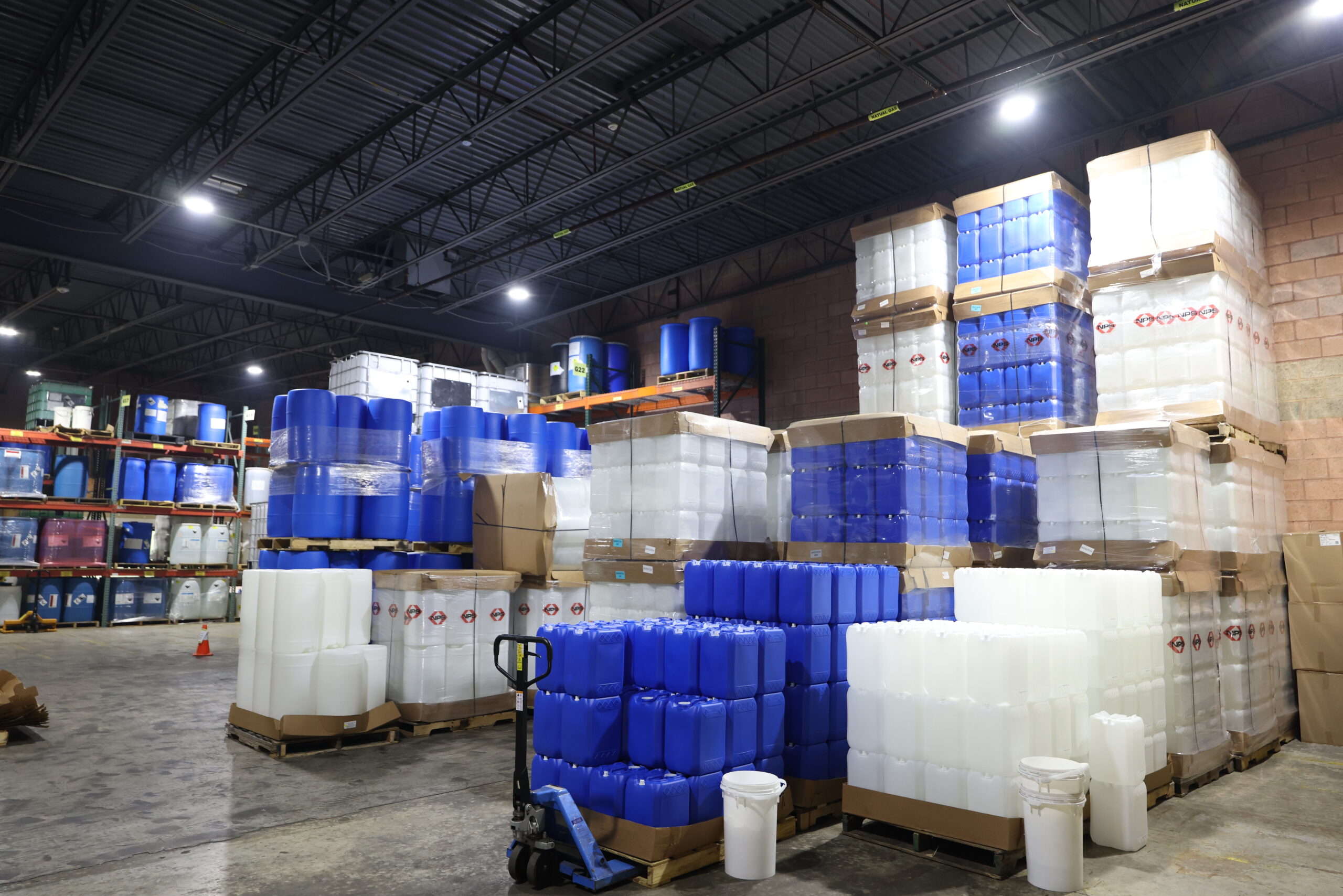
Water moves through every part of modern infrastructure, from municipal water treatment plants to complex industrial processes. As water travels from source to supply, it encounters pipes, heat exchangers, cooling towers, and treatment plants that all depend on stable water quality. Behind each of these systems is a foundation of water treatment chemistry that determines whether water remains safe, efficient, and compliant. Without a clear understanding of chemistry, even well-designed systems can experience scale buildup, pipe corrosion, or biological growth.
Water treatment is not simply about adding chemicals. It is about understanding how water conditions influence reactions, how compounds form and settle, and how treatment chemicals interact with metals, organic matter, and microorganisms. Whether the goal is clean water for drinking water systems, protection of industrial equipment, or effective wastewater treatment, mastering these chemical fundamentals is essential for delivering safe water and long-term system reliability.
Water as a Chemical System: Foundational Principles
Effective water treatment chemistry begins with understanding the physical properties and chemical behavior of water itself. Water is a polar molecule, which allows it to dissolve a wide range of compounds, including salts, gases, organic compounds, and metal ions. This strong solvent capability is why water can carry minerals, organic matter, and suspended particles as it moves through natural sources and engineered systems. It is also why water can create challenges when those dissolved substances react, precipitate, or accumulate.
pH, Alkalinity, and Stability
The ph of water measures its acidity or alkalinity and plays a central role in nearly every treatment process. Small changes in ph levels can influence how metals dissolve, how compounds form, and how disinfectants perform. Acidic water can accelerate corrosion of metal surfaces and pipes, while higher ph levels may increase the likelihood of mineral scale. Maintaining stable ph is essential for protecting infrastructure and ensuring consistent water quality.
Hardness and Dissolved Minerals
Water hardness refers primarily to dissolved calcium and magnesium ions. Hard water tends to form scale when heated or concentrated, while soft water contains fewer hardness minerals but may be more aggressive toward certain metals under specific conditions. As water travels through natural formations, it dissolves minerals that later influence treatment decisions in water treatment plants and industrial systems.
Organic Matter and Dissolved Constituents
In addition to inorganic minerals, water often contains organic materials and organic compounds derived from natural sources. These substances can react with disinfectants, contribute to fouling, or interfere with downstream processes. Understanding how these compounds behave under different water conditions is a core principle of water treatment chemistry and informs the selection of appropriate treatment methods.
Controlling Scale and Hardness in Industrial Systems
Scale forms when dissolved minerals in water become less soluble and begin to precipitate. This often happens as water is heated, concentrated, or exposed to changing ph levels. In industrial settings, scale is closely tied to water hardness, especially calcium and magnesium, and it can also involve other minerals depending on water conditions. Once a scale deposit begins to form, it can trap sediment, encourage more buildup, and reduce heat transfer efficiency.
Why Scale Becomes a Performance Problem
Scale is not only a chemistry issue. It quickly becomes a mechanical and energy issue, particularly in systems designed for heat transfer and circulation. Common impacts include:
- Reduced efficiency in heat exchangers due to insulating mineral deposits
- Flow restriction in pipes, which can increase pressure and pumping costs
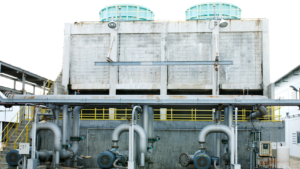
- Higher operational risk in cooling towers, where concentration cycles can accelerate deposition
- Increased maintenance due to deposits that trap particles and promote fouling
Physical Removal: Pre Treatment, Settling, and Filtration
Not all water problems are solved solely with chemical treatment. Many systems rely on pre treatment steps that remove solids before they can become embedded in scale or deposit in sensitive equipment. This is especially important when source water contains sand, gravel, sediment, and suspended particles.
A typical solids control path looks like this:
- Screening or basic separation to remove larger particles
- Sedimentation to allow heavier particles to settle under low velocity conditions
- Filtration using filters designed to capture smaller particles before they reach equipment
- Polishing steps as needed for fine particles, depending on water quality goals
Even when treatment chemicals are used for scale control, physical removal methods reduce overall load and improve program stability. The goal is consistent performance across variable water conditions, particularly when water travels through different stages of industrial processes.
Corrosion Chemistry and Corrosion Prevention
Corrosion is an electrochemical process in which metals gradually deteriorate as they react with their environment. In water systems, this often occurs when metal surfaces come into contact with dissolved oxygen, salts, or other reactive compounds. As metal atoms lose electrons, they form metal ions that enter solution, weakening pipes and equipment over time. Effective water treatment chemistry focuses on understanding and controlling the conditions that drive these reactions.
Water conditions such as ph, dissolved oxygen, temperature, and conductivity all influence corrosion rates. Acidic water can accelerate pipe corrosion, while certain oxidizing agents may increase the reactivity of exposed metals. When corrosion progresses, it can release metals and heavy metals into the system, affecting treated water quality and potentially increasing the need for heavy metal removal in downstream treatment plants.
Common Corrosion Drivers and Their Impact
| Corrosion Driver | Potential Impact on System |
|---|---|
| Low ph levels | Increased dissolution of metal surfaces |
| Dissolved oxygen | Accelerated oxidation of metals |
| Deposits and sediment | Under-deposit corrosion and localized damage |
| Strong oxidizing agent | Increased reactivity in certain water conditions |
Practical Corrosion Prevention Measures
Corrosion prevention strategies are designed to stabilize water chemistry and protect infrastructure. These may include:
- Maintaining controlled ph levels across a wide ph range appropriate for the system
- Reducing excessive oxidizing agent exposure when compatible with disinfection goals
- Monitoring pipe corrosion indicators in industrial processes
- Applying corrosion inhibitors that protect metal surfaces
- Ensuring consistent water quality before distribution as treated water
Disinfection agents such as chlorine dioxide or ozone must be carefully managed. While essential for controlling microorganisms, they can also influence corrosion behavior if not balanced properly. A chemistry-based approach allows operators to protect infrastructure while maintaining safe water standards.
Microbiological Control and Disinfection
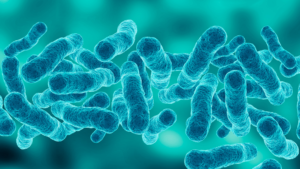
Water systems provide an environment where bacteria, viruses, and other microorganisms can survive and multiply if conditions allow. Nutrients, moderate temperatures, and stagnant zones can promote biofilm formation on internal surfaces. These biological layers not only reduce efficiency in industrial systems, but they can also increase the risk of waterborne diseases in drinking water applications. Effective water treatment chemistry integrates microbiological control into the overall treatment strategy.
Why Microbial Growth Matters
Uncontrolled microbial activity can lead to:
- Biofilm accumulation on pipes and heat exchangers
- Reduced heat transfer efficiency
- Microbiologically influenced corrosion on metal surfaces
- Increased risk of contamination in water supply systems
To disinfect water and maintain clean water standards, treatment plants rely on carefully selected methods that balance effectiveness with infrastructure protection.
Common Disinfection Methods
| Method | Typical Role and Considerations |
|---|---|
| Chlorine | Widely used, low cost disinfectant effective against bacteria and viruses |
| Chlorine dioxide | Effective across a broad range of water conditions with reduced formation of certain byproducts |
| Ozone | Powerful oxidizing agent used in advanced treatment systems |
| UV light | Physical disinfection method that inactivates microorganisms without adding chemicals |
Each method plays a role depending on system design and regulatory requirements. In drinking water systems, maintaining safe water depends on consistent monitoring and proper dosing. In industrial environments, microbiological control protects equipment while preserving overall water quality.
Wastewater Treatment Chemistry Fundamentals
Wastewater treatment relies heavily on applied water treatment chemistry to separate contaminants from water and prepare it for discharge, reuse, or further polishing. Unlike relatively consistent drinking water sources, wastewater often contains variable loads of organic matter, suspended solids, heavy metals, and process-related waste. A structured chemical and physical treatment approach is necessary to restore acceptable water quality.
Coagulation and Flocculation Basics
One of the most important steps in wastewater treatment is the coagulation process. Many contaminants exist as fine particles or small particles that remain suspended because they carry similar electrical charges and repel one another. During coagulation, treatment chemicals such as ferric chloride are added to neutralize those charges.
The process generally follows these steps:
- Chemical addition, where coagulants destabilize suspended particles
- Floc formation, where destabilized particles combine into larger particles
- Sedimentation, where heavier floc aggregates settle and separate from the water
- Sludge handling, where collected waste solids are removed for disposal or further processing
This process improves clarity and reduces the load on downstream systems.
Targeted Contaminant Removal
Different wastewater streams require different methods depending on composition and discharge requirements.
| Treatment Goal | Example Approach |
|---|---|
| Heavy metal removal | Chemical precipitation and coagulation |
| Reduction of organic matter | Oxidation, biological treatment, or carbon adsorption |
| Removal of fine particles | Optimized coagulation and filtration |
| Advanced polishing | Activated carbon, charcoal, or reverse osmosis |
Activated carbon and other carbon-based media are commonly used to adsorb residual organic compounds. In more advanced treatment plants, reverse osmosis provides high-level separation of dissolved contaminants, including certain heavy metals and salts.
Through coordinated chemical treatment and physical separation, wastewater systems can produce treated water suitable for reuse or compliant discharge, while safely managing the remaining waste stream.
Chemical Treatment in Modern Water Treatment Plants
Modern water treatment plants integrate multiple stages of physical and chemical treatment to deliver clean water reliably and efficiently. From source water intake through distribution, operators must adapt to changing water conditions, seasonal variability, and regulatory requirements. Applied water treatment chemistry plays a central role in stabilizing water, protecting infrastructure, and meeting performance targets across both municipal and industrial processes.
A typical system may include several coordinated objectives:
- Stabilizing ph levels to protect pipes and control corrosion
- Removing sediment, particles, and organic compounds through coagulation and filtration
- Disinfecting to control bacteria and viruses
- Managing hardness to reduce scaling in distribution systems
- Supporting heavy metal removal when source water or wastewater streams require it
- Adjusting mineral balance, including decisions to add fluoride where mandated
- Optimizing chemical treatment programs for consistent performance at low cost
In both municipal and industrial treatment plants, operators continuously monitor water problems such as variability in organic load, temperature changes, and shifts in source supply. Ongoing active research continues to improve treatment chemicals and process efficiency, helping facilities adapt to evolving regulatory and environmental demands.
Supporting Water Treatment Professionals with Practical Chemistry Support
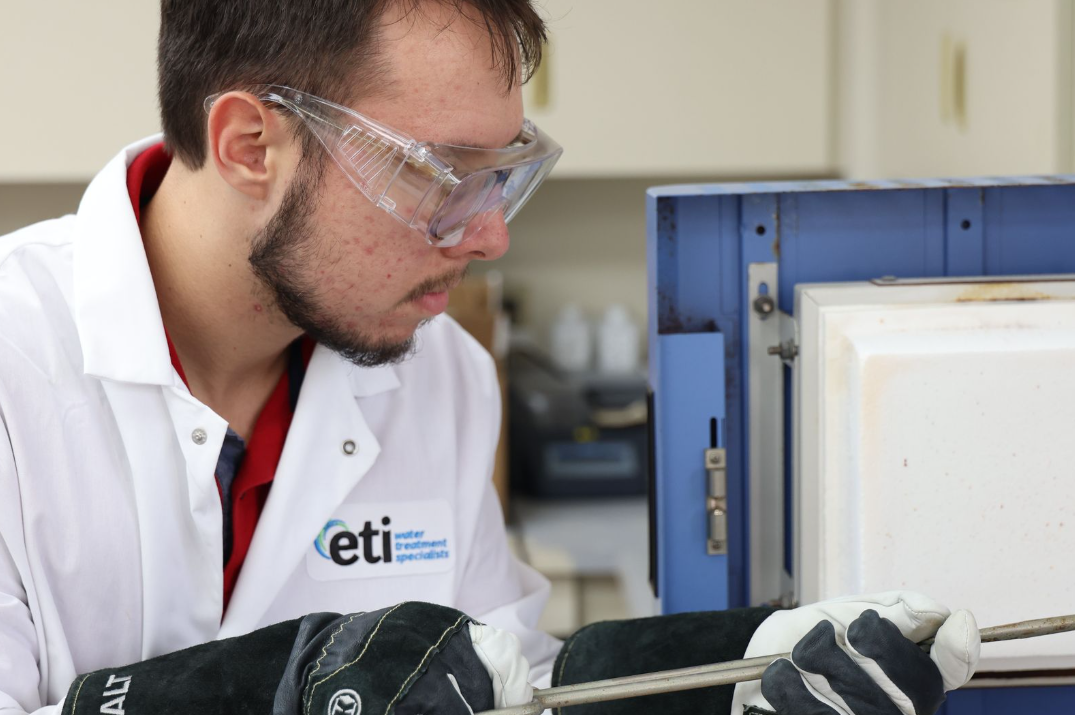
A strong foundation in water treatment chemistry is only effective when it is applied correctly in real-world systems. Industrial processes, cooling towers, wastewater treatment operations, and municipal systems all operate under unique water conditions. Variations in source supply, temperature, load, and regulatory requirements demand practical expertise and adaptable treatment strategies. Sound chemical treatment programs require not only the right water treatment chemicals, but also technical understanding and operational reliability.
Eastern Technologies, Inc. supports independent water treatment professionals and OEMs by providing the tools, formulations, and technical backing needed to implement effective treatment programs. As a non-competing, partner-first manufacturer and distributor, ETI focuses exclusively on equipping the companies that serve end users.
ETI’s support includes:
- Broad product access for cooling towers, boilers, corrosion prevention, and wastewater treatment
- Technical guidance grounded in decades of applied chemistry experience
- Custom formulation capabilities for specialized industrial processes
- Assistance with regulatory and compliance considerations
- ISO 9001:2015 certified quality systems and recognition as the 2023 AWT Supplier of the Year
By combining manufacturing reliability with technical depth, ETI helps professionals apply chemistry principles with confidence.
Explore ETI’s capabilities for water treatment professionals. Contact us for more details.