Chlorine dioxide is a highly effective disinfectant used across many water treatment applications to control bacteria, harmful bacteria, viruses, and other microorganisms. Its strong oxidizing properties make it valuable for treating drinking water, industrial process water, cooling systems, and food processing facilities where reliable disinfection is essential. However, like many treatment chemicals, it must be handled responsibly to protect workers, equipment, and the surrounding environment.
Understanding chlorine dioxide safety is critical for organizations that manufacture, distribute, or apply this chemical. Proper handling practices, storage, monitoring, and regulatory compliance help reduce risk while allowing facilities to benefit from chlorine dioxide’s effectiveness against pathogens. This guide explains the key safety principles, potential hazards, and best practices for safely using chlorine dioxide in professional water treatment applications.
What Is Chlorine Dioxide?
Chlorine dioxide (ClO₂) is a highly effective oxidizing compound used as a disinfectant in water treatment applications. Unlike chlorine, which disinfects primarily through chlorination, chlorine dioxide works by oxidation, allowing it to inactivate bacteria, viruses, fungi, and other microorganisms while remaining effective across a wide pH range. Because of these properties, it is commonly used for drinking water treatment, industrial process water, cooling systems, and certain food safety applications.
At room temperature, pure chlorine dioxide gas is a reddish yellow gas and a true gas rather than a vapor released from a liquid. Due to its instability at elevated concentrations, chlorine dioxide is typically generated on-site from precursor chemicals, often including sodium chlorite, and applied as a diluted solution rather than stored or transported in large amounts. This approach improves operational safety while allowing facilities to produce only the amount needed for treatment.
Chlorine Dioxide vs. Chlorine
| Feature | Chlorine Dioxide | Chlorine |
|---|---|---|
| Primary disinfection method | Oxidizes microorganisms and cellular components | Primarily disinfects through chlorination |
| Typical use | Drinking water, industrial water treatment, process water, cooling systems | Drinking water, wastewater, swimming pools, general disinfection |
| Reaction with organic matter | Generally forms fewer regulated chlorinated byproducts than chlorine under comparable conditions | More likely to form chlorinated disinfection byproducts when reacting with organic matter |
| Storage approach | Usually generated on-site as a diluted solution | Commonly supplied and stored in approved forms for treatment applications |
| Appearance as a pure gas | Reddish yellow gas | Greenish-yellow gas |
Note: Although chlorine dioxide and chlorine are both used to disinfect water, they are different chemicals with distinct properties, handling requirements, and safety considerations. Understanding these differences is an important first step toward maintaining chlorine dioxide safety in professional applications.
Why Chlorine Dioxide Safety Matters
Using chlorine dioxide effectively requires more than selecting the right disinfectant. Maintaining chlorine dioxide safety helps protect employees, support regulatory compliance, and ensure consistent treatment performance. Because chlorine dioxide is a powerful oxidizing chemical, facilities should establish proper handling procedures, monitor operating concentrations, and train personnel to minimize risk while achieving reliable disinfection.
Protecting Workers
Employees who handle chlorine dioxide should follow established occupational safety practices to reduce the potential for exposure. Appropriate engineering controls, personal protective equipment (PPE), and routine training help minimize the possibility of skin contact or inhalation of chlorine dioxide gas, particularly in areas where the chemical is generated or applied. These measures also support workplace health by reducing unnecessary exposure to hazardous conditions.
Protecting Water Quality
When used correctly, chlorine dioxide provides effective control of harmful bacteria, pathogens, and other microorganisms in drinking water and industrial water treatment systems. Its strong oxidation ability allows it to disinfect water without relying on the same chemical reactions as chlorine, making it a valuable option for many treatment programs.
Supporting Regulatory Compliance
Organizations that use chlorine dioxide should follow applicable EPA, Occupational Safety and Health Administration (OSHA), and FDA requirements where relevant to their operations. These agencies establish guidelines intended to protect human health, support food safety, and promote responsible chemical management. Following regulatory requirements, manufacturer recommendations, and site-specific procedures helps facilities operate safely while maintaining effective treatment performance.
Safe Handling Guidelines for Chlorine Dioxide
Maintaining chlorine dioxide safety requires a combination of proper system design, operator training, and adherence to established handling procedures. Because chlorine dioxide is a reactive chemical, facilities should develop site-specific protocols that align with manufacturer recommendations, Safety Data Sheets (SDS), and applicable regulations. The following best practices can help reduce risk while supporting safe and effective water treatment operations.
1. Follow Manufacturer Instructions and the Safety Data Sheet (SDS)
Always review the manufacturer’s instructions and SDS before handling or applying chlorine dioxide. These documents provide guidance on proper use, storage, emergency procedures, and recommended operating concentrations for specific applications.
2. Wear Appropriate Personal Protective Equipment (PPE)
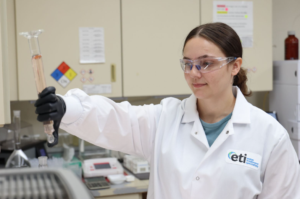
Operators should wear PPE appropriate for the task, such as chemical-resistant gloves, eye protection, and protective clothing. Preventing direct skin contact and limiting unnecessary exposure are essential parts of safe chemical handling.
3. Ensure Adequate Ventilation
Areas where chlorine dioxide gas may be generated should have adequate ventilation to help prevent the accumulation of airborne gas. Facilities may also use gas detection and monitoring equipment where appropriate to verify that airborne concentrations remain within acceptable limits.
4. Store Chlorine Dioxide and Related Chemicals Properly
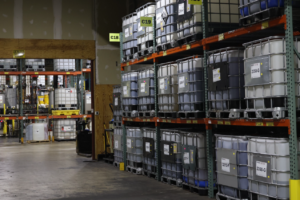
Facilities should store chlorine dioxide and its precursor chemicals, including sodium chlorite, according to manufacturer recommendations and applicable regulations. Because chlorine dioxide reacts readily with certain substances, it should be kept away from incompatible materials, excessive heat, and inappropriate acid sources that could contribute to unintended reactions.
5. Monitor System Performance
Routine monitoring helps verify that treatment systems maintain the intended operating concentrations without exceeding safe limits. Regular inspections also allow operators to identify leaks, equipment issues, or process changes before they affect performance.
6. Train Personnel and Prepare for Emergencies
Comprehensive training helps employees understand normal operating procedures, emergency response protocols, and proper handling techniques. Well-trained personnel are better equipped to respond quickly if accidental contact, spills, or other incidents occur, helping protect both workers and the surrounding environment.
Health Risks of Improper Exposure
When handled according to established procedures, chlorine dioxide is an effective disinfectant used in many professional applications. However, improper handling or accidental exposure to high concentrations can present health risks. The severity of the health effects depends on factors such as the concentration, duration of exposure, and whether the chemical is inhaled or comes into direct contact with the body.
Potential Exposure and Health Considerations
| Exposure Situation | Possible Health Effects |
|---|---|
| Skin contact | May cause irritation or discomfort, particularly with prolonged or repeated contact. |
| Eye or respiratory exposure | May irritate the eyes, nose, throat, and lungs. Inhaling chlorine dioxide gas at elevated concentrations may result in coughing, difficulty breathing, or chest pain. |
| High-level or prolonged exposure | Long term exposure or repeated exposure to high levels should be avoided because it may increase the risk of adverse health effects. Occupational exposure limits and workplace controls help reduce this risk. |
| Accidental ingestion or misuse | Products marketed as Miracle Mineral Solution are not approved for medical use. The FDA has warned consumers against ingesting these products because they can cause serious health problems, including nausea, vomiting, dehydration, and other harmful effects. They should not be confused with approved chlorine dioxide applications used in professional water treatment. |
Following established safety procedures, using appropriate PPE, and complying with workplace guidelines help minimize exposure and protect both worker health and treatment system performance.
How ETI Supports Safe Chlorine Dioxide Programs
Safe chlorine dioxide programs rely on more than selecting the right chemical. They also require technical expertise, regulatory knowledge, and reliable product quality to help ensure safe handling and effective microbial control. ETI supports independent water treatment companies, distributors, and OEMs with a broad portfolio of chlorine dioxide products and other oxidizing and non-oxidizing biocides, backed by application guidance and regulatory assistance.
As an ISO 9001:2015-certified manufacturer and technical partner, ETI provides custom chemical blending, private labeling, EPA registration support, and technical resources to help customers implement effective water treatment programs with confidence. Through its partner-first approach, ETI equips water treatment professionals with the products and expertise they need without competing for their end users.
If you’re looking for dependable support for microbial control or specialty chemical programs, explore ETI’s Biocide Solutions and Technical Support Services, or contact ETI to discuss your application with our experienced team.
Frequently Asked Questions (FAQs)
Is chlorine dioxide the same as chlorine bleach?
No. Although both are used as disinfectants, chlorine dioxide and bleach are different chemicals with different properties and applications. Chlorine dioxide disinfects through oxidation, while bleach relies on hypochlorite chemistry, so they should not be used interchangeably.
Can chlorine dioxide be used safely in drinking water treatment?
Yes. When applied according to EPA regulations and established treatment guidelines, chlorine dioxide is widely used in drinking water systems to help control bacteria, viruses, and other pathogens. Maintaining proper operating concentrations and monitoring treatment performance are essential for protecting human health.
Why is chlorine dioxide usually generated on-site instead of transported as a gas?
Because pure chlorine dioxide gas is unstable at higher concentrations, it is typically generated on-site from precursor chemicals and used as a diluted solution. This approach improves safety, reduces handling risks, and allows facilities to produce only the amount needed for treatment.
What is Miracle Mineral Solution (MMS), and is it approved for medical use?
No. Miracle Mineral Solution is not approved by the FDA or the U.S. Department of Health and Human Services for treating disease. Consumers should not confuse these products with professionally managed chlorine dioxide applications used in industrial or municipal water treatment.
How can facilities improve chlorine dioxide safety in water treatment systems?
Maintaining chlorine dioxide safety starts with following manufacturer instructions, providing operator training, using appropriate PPE, and routinely monitoring treatment systems. Working with an experienced water treatment partner can also help facilities select suitable chlorine dioxide products, maintain regulatory compliance, and develop effective microbial control programs.