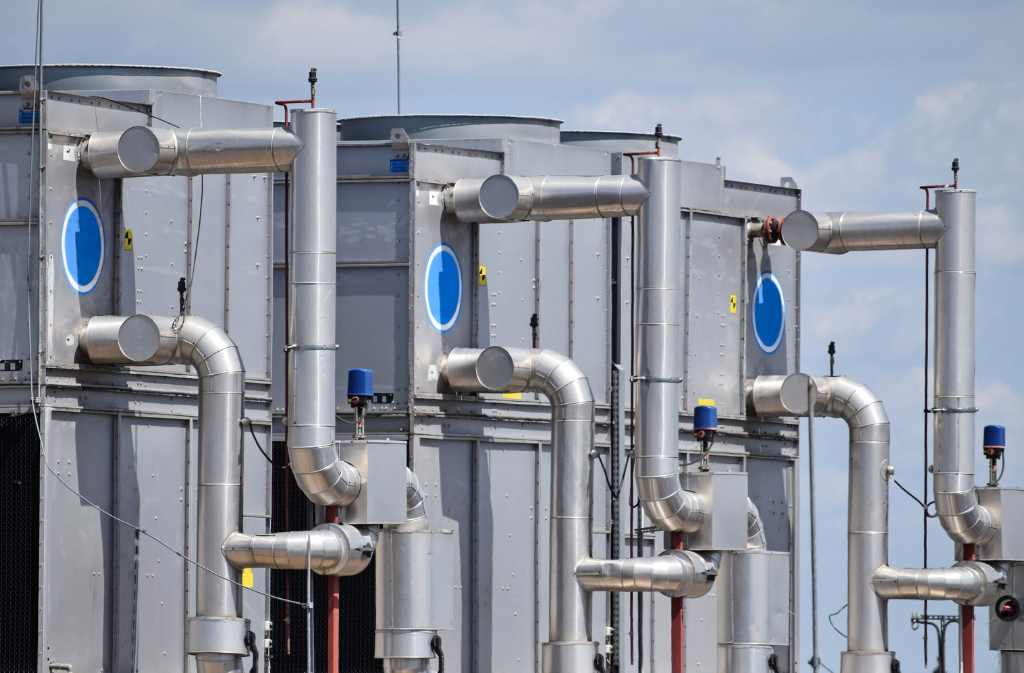
Cooling towers play a critical role in removing excess heat from commercial and industrial cooling systems, helping maintain efficient operation across applications such as manufacturing plants, HVAC systems, power generation, and process cooling. Because these systems continuously circulate and evaporate water, the quality of cooling tower water can change over time, creating conditions that promote scale formation, corrosion, and microbial growth if left unmanaged.
Routine cooling tower water testing is a fundamental part of an effective water treatment program. By monitoring key water chemistry and biological parameters, water treatment professionals can identify developing issues early, optimize treatment strategies, and maintain consistent water quality. Regular testing not only helps protect equipment and improve system performance, but also provides the information needed to make informed decisions that support safe, reliable, and efficient cooling tower operations.
Why Cooling Tower Water Testing Is Important
A well-managed cooling tower system depends on more than quality treatment chemicals. As water continuously circulates to remove heat, dissolved minerals become concentrated, contaminants accumulate, and biological activity can increase under certain operating conditions. Without routine cooling tower water testing, these changes may go unnoticed until they affect system efficiency, equipment reliability, or maintenance costs. Regular water testing provides the data needed to evaluate treatment performance and make timely adjustments before small issues become costly problems.
Benefits of Routine Cooling Tower Water Testing
- Helps prevent scale formation
Monitoring parameters such as hardness, alkalinity, and conductivity allows water treatment professionals to identify conditions that may lead to mineral deposits. Controlling scale helps maintain efficient heat transfer and protects critical equipment such as heat exchangers. - Supports corrosion control
Testing verifies whether corrosion inhibitors and other chemical treatment products are performing as intended. Maintaining proper water chemistry helps prevent corrosion, extending the service life of metal surfaces and other system components. - Reduces microbial growth
Routine monitoring helps identify changes in biological activity before they develop into significant fouling or biofilm. Combined with an appropriate treatment program, regular testing supports cleaner cooling water systems and more reliable operation. - Optimizes chemical performance
Water chemistry changes over time due to evaporation, makeup water quality, and system demand. Regular testing helps determine whether chemical feed rates require adjustment so treatment remains effective under changing conditions. - Supports efficient operation and maintenance
Reliable test data enables informed decisions during cooling tower maintenance and other maintenance activities. Rather than relying on assumptions, operators can use measured results to improve treatment performance, reduce unnecessary chemical use, and improve operation over the long term.
Routine testing should be viewed as an ongoing process rather than a one-time task. When combined with proper maintenance and a comprehensive water treatment strategy, it provides the information needed to maintain consistent system performance, protect valuable assets, and support reliable tower operations throughout the life of the system.
Essential Cooling Tower Water Testing Parameters
Not all water quality measurements provide the same insight into a system’s condition. An effective cooling tower water testing program focuses on parameters that indicate scaling potential, corrosion risk, biological activity, and overall treatment performance. Evaluating these measurements together provides a more complete understanding of how a cooling tower system is performing and whether adjustments to the water treatment program are needed.
| Parameter | Why It Matters | Common Indicator | Potential Impact |
|---|---|---|---|
| pH | Determines the acidity or alkalinity of cooling water, affecting both corrosion and scale formation. | pH outside the treatment target range | Increased corrosion, scale formation, or reduced treatment effectiveness |
| Conductivity | Indicates the concentration of dissolved minerals as water evaporates. It is commonly used to evaluate cycles of concentration. | Elevated conductivity | Greater scaling potential, excessive blowdown, and reduced operating efficiency |
| Hardness | Measures dissolved calcium and magnesium that contribute to mineral deposits. | High hardness levels | Scale accumulation on heat transfer surfaces and piping |
| Alkalinity | Reflects the water’s buffering capacity and influences scale-forming tendencies. | High alkalinity | Increased likelihood of calcium carbonate scale |
| Corrosion Inhibitor Residual | Confirms that corrosion inhibitors remain at effective concentrations within the system. | Low residual levels | Reduced protection of metal surfaces and accelerated corrosion |
| Microbial Activity | Evaluates biological populations that may contribute to biofilm formation and fouling. Monitoring may include heterotrophic plate count analysis as part of a broader program. | Elevated microbial counts | Biofilm development, reduced heat transfer, and decreased treatment performance |
| Water Temperature | Influences chemical reaction rates and biological activity throughout the system. | Higher-than-expected water temperature | Increased biological activity, faster chemical consumption, and changing treatment requirements |
Interpreting Test Results
Individual measurements rarely tell the complete story. For example, elevated conductivity may indicate increasing dissolved solids, but the appropriate response depends on related parameters such as pH, hardness, alkalinity, and the overall operating conditions of the system. Likewise, higher microbial counts should be evaluated alongside treatment history, water samples, and system observations before corrective actions are implemented.
Rather than reacting to isolated readings, experienced water treatment professionals evaluate trends over time. Consistent regular testing helps identify gradual changes in water quality, verify that treatment objectives are being met, and support informed adjustments that keep the cooling tower system operating efficiently and reliably.
How Often Should Cooling Tower Water Be Tested?
The necessary frequency of cooling tower water testing depends on several factors, including system size, water source, operating conditions, treatment objectives, and the overall complexity of the cooling tower system. While no single schedule applies to every facility, establishing a consistent monitoring routine helps maintain stable water quality, supports effective routine treatment, and allows issues to be identified before they affect performance.
| Testing Activity | Typical Frequency* |
|---|---|
| pH and Conductivity | Daily or through continuous monitoring using an automated system |
| Corrosion inhibitor residuals and key treatment chemistry | Weekly |
| Comprehensive water chemistry analysis | Monthly |
| Microbial monitoring (such as heterotrophic plate count) | Based on system risk and treatment program requirements |
| Legionella testing | Risk-based or as required by facility policies and local regulations; some facilities may incorporate quarterly sampling as part of their water management program |
*Actual testing schedules should always be determined by system design, water source, treatment objectives, applicable regulations, and recommendations from a qualified water treatment professional.
Consistent testing is most effective when combined with proper documentation and routine review of historical results. Trending data over time allows operators to recognize gradual changes that may not be apparent from a single test, supporting proactive maintenance decisions and helping ensure the system remains properly maintained during normal operation.
Using Test Results to Improve Cooling Tower Performance
Collecting water quality data is only the first step. The value of cooling tower water testing comes from understanding what the results indicate and using that information to optimize system performance. When test results are reviewed alongside system history, cooling load, treatment records, and operating trends, they can help identify developing problems before they lead to equipment damage or unplanned downtime.
When Test Results Indicate Corrective Action
The following conditions may suggest that a cooling tower requires further evaluation or adjustments to its water treatment program:
- Rising conductivity
May indicate an increase in dissolved solids due to evaporation. Operators may need to review blowdown settings, makeup water quality, or control equipment to maintain appropriate cycles of concentration. - Low corrosion inhibitor residuals
Can suggest that treatment chemicals are being consumed faster than expected or that chemical feed rates require adjustment to maintain adequate protection. - Increasing microbial activity
Elevated biological counts may indicate that the current chemical treatment program is no longer providing sufficient control. Additional monitoring and treatment adjustments may be necessary to limit biofilm formation and maintain system cleanliness. - Abnormal pH or hardness levels
Significant changes may increase the risk of scale formation or corrosion, reducing heat transfer efficiency and affecting critical system components. - Changing operating conditions
Variations in heat load, makeup water quality, or seasonal demand can influence water chemistry. Reviewing testing data helps ensure treatment strategies remain appropriate as cooling towers operate under different conditions throughout the year.
Rather than responding to individual measurements in isolation, the most effective approach is to evaluate long-term trends and overall system performance. Combined with regular inspections and proper maintenance, cooling tower water testing enables water treatment professionals to make informed decisions that improve operation, protect equipment, and support reliable, efficient cooling tower operations over time.
How ETI Supports Water Treatment Professionals
Effective cooling tower water testing is only one part of a successful water treatment strategy. Equally important is having access to the right chemistry, technical expertise, and ongoing support to interpret results and optimize treatment programs. As a chemical manufacturer and technical partner, ETI supports water treatment professionals, distributors, and OEMs by providing the products and resources they need to deliver reliable cooling tower solutions without competing with their business.
ETI’s Related Solutions for Cooling Tower Water Treatment
ETI offers a comprehensive portfolio of products and technical support designed to help partners manage water quality, protect equipment, and improve treatment performance, including:
- Cooling and boiler treatment chemicals, including antiscalants, corrosion inhibitors, dispersants, and custom formulations for open recirculating, closed loop, process water, and once-through systems.
- Oxidizing and non-oxidizing biocides, with more than 35 chemistries available to support flexible microbial control strategies for varying system conditions and contamination risks.
- Advanced dispersant technologies that help keep suspended solids in solution, reduce fouling, improve heat transfer efficiency, and enhance the performance of biocides and scale inhibitors.
- Custom chemical blending, allowing treatment programs to be tailored to specific water chemistry, operating conditions, and customer requirements rather than relying solely on off-the-shelf products.
- Technical and laboratory support, including water analysis, deposit analysis, troubleshooting, application guidance, regulatory assistance, and training that help partners confidently interpret testing results and optimize treatment programs.
By combining high-quality treatment chemistry with responsive technical support, ETI enables water treatment companies to deliver effective, data-driven solutions while maintaining the flexibility and personalized service their customers expect.
If you’re looking for a trusted partner to strengthen your cooling tower treatment programs, contact ETI today to learn how our Cooling & Boiler Treatment Chemicals and Custom Chemical Blending solutions can help support your business with reliable products, technical expertise, and customized formulations built for long-term success.
Frequently Asked Questions (FAQs)
Is cooling tower water testing the same as Legionella testing?
No. Cooling tower water testing evaluates overall water chemistry and treatment performance, while Legionella testing specifically detects the presence of Legionella bacteria. Both can play important roles in a comprehensive water management program, particularly where Legionella risks have been identified through facility-specific risk assessments.
How does water testing help control Legionella growth?
Routine water testing helps verify that treatment conditions remain suitable for minimizing microbial growth, including conditions that may allow Legionella bacteria to multiply. Maintaining appropriate water chemistry, monitoring disinfectant residuals, and implementing effective Legionella control measures all contribute to controlling Legionella growth and supporting Legionnaires’ disease prevention.
Why should cooling tower water samples be tested regularly?
Collecting representative water samples through regular testing helps identify gradual changes in water chemistry before they affect system performance. Trending these results over time allows water treatment professionals to adjust treatment programs proactively instead of responding only after operational problems develop.
What should facilities do if Legionella is detected in a cooling tower?
If Legionella testing confirms the presence of the bacteria, facilities should follow their established response protocols, applicable local regulations, and site-specific water management procedures. Depending on the situation, corrective actions may include offline emergency disinfection, remediation, additional sampling to confirm elimination, and updates to ongoing monitoring practices.
Can automated monitoring replace routine cooling tower water testing?
An automated system can continuously monitor parameters such as pH and conductivity, providing valuable real-time information during normal operation. However, automated monitoring should complement, rather than replace, routine water testing and periodic laboratory analysis, as some parameters still require manual testing or specialized analytical methods.