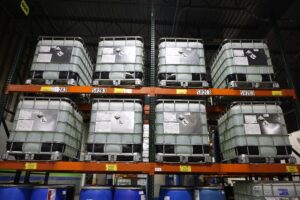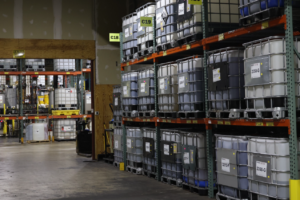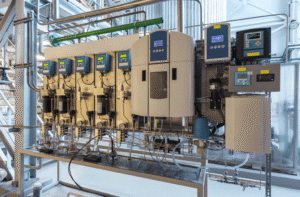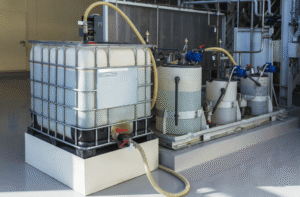
Chemical reporting has become an increasingly important part of industrial operations, especially for facilities that manage water treatment programs, process chemicals, and hazardous materials. As regulatory expectations continue evolving, companies are expected to maintain accurate documentation, provide accessible safety data sheet records, and demonstrate compliance with federal, state, and local reporting requirements.
For water treatment professionals, compliance is no longer viewed as strictly administrative. Proper documentation directly supports occupational safety, emergency preparedness, environmental responsibility, and operational reliability. Regulatory agencies such as the Environmental Protection Agency (EPA) and OSHA continue emphasizing the importance of maintaining accurate records for hazardous chemicals, storage conditions, and facility reporting obligations.
Organizations that work with industrial water treatment chemicals must often manage detailed inventories, maintain up to date information, and determine whether specific reporting thresholds apply to their operations. In many cases, accurate chemical reporting also helps facilities improve communication with emergency responders, support safer handling practices, and reduce the risk of compliance issues during inspections or audits.
As reporting expectations become more complex, many water treatment professionals are placing greater emphasis on documentation accuracy, internal processes, and long-term compliance readiness.
Understanding Chemical Reporting Requirements
Chemical reporting refers to the process of documenting, maintaining, and submitting information related to chemicals used, stored, or managed within a facility. These reporting requirements are designed to help regulatory agencies, emergency planning organizations, and emergency responders understand potential risks associated with hazardous substances and hazardous materials present at industrial sites.
Facilities that handle hazardous chemicals may be subject to multiple federal, state, and local regulations depending on the type of chemical, storage quantities, and chemical use. In many cases, companies must maintain organized records that support both operational safety and regulatory compliance.
What Chemical Reporting Typically Includes
A facility’s chemical reporting responsibilities may include maintaining:
- A hazardous chemical inventory
- Chemical inventory records for chemicals stored onsite
- Safety Data Sheet (SDS) documentation
- Information about hazardous substances and hazard classifications
- Storage location and quantity data
- Documentation related to reportable chemicals
- Records associated with reporting threshold or threshold level requirements
- Supporting compliance data for inspections or audits
Facilities may also need to determine whether a specific chemical exceeds applicable chemical thresholds that trigger additional reporting obligations under federal or state programs.
Key Agencies Involved in Compliance
Several agencies and regulatory programs influence chemical reporting and documentation practices.
OSHA
OSHA regulations focus heavily on occupational safety and hazard communication. Facilities are expected to maintain accessible documentation related to chemical hazards, employee exposure risks, and workplace handling procedures.
Environmental Protection Agency (EPA)
The Environmental Protection Agency oversees multiple compliance programs involving hazardous substances, emergency planning, and chemical inventory reporting. EPA-related programs often require facilities to submit reports tied to chemical quantities, storage practices, and reporting periods.
State and Local Authorities
State agencies, emergency planning committees, and local jurisdictions may establish additional reporting requirements depending on the chemicals present at a site. These organizations often use submitted data to support emergency planning and response coordination.
Because regulations can vary based on facility operations, quantities, and chemical classifications, maintaining organized records and accurate reporting processes is essential for long-term compliance management.
Safety Data Sheets and Hazard Communication
Maintaining accurate safety documentation is a central part of chemical compliance and workplace safety programs. Under OSHA regulations, facilities that handle hazardous chemicals are responsible for ensuring employees have access to clear hazard communication information, including a current safety data sheet sds for each applicable product onsite.
The OSHA Hazard Communication Standard was developed to improve occupational safety by ensuring workers understand the physical hazards and health hazards associated with chemicals used in the workplace. Proper documentation also helps facilities improve emergency response coordination and maintain compliance during inspections or audits.
Why Safety Data Sheets Matter
A safety data sheet provides critical technical and safety information for handling, storing, transporting, and responding to chemical exposure incidents. These documents are essential for facilities that manage industrial water treatment programs, hazardous materials, or specialty chemical applications.
A complete safety data sheet may include:
- Chemical name and common name
- Hazard categories and classifications
- Recommended personal protective equipment
- First aid procedures
- Firefighting measures
- Safe handling and storage guidance
- Spill response procedures
- Exposure controls and toxicological information
Facilities are expected to maintain up to date information and ensure employees can quickly access SDS documentation when needed.
SDS vs. Older MSDS Documentation
Many facilities still reference the older material safety data sheet terminology or use the phrase safety data sheet msds interchangeably. However, modern SDS documentation follows standardized formatting requirements aligned with the Globally Harmonized System (GHS).
| Older MSDS | Modern SDS |
|---|---|
| Variable formatting between suppliers | Standardized 16-section format |
| Inconsistent hazard communication | Consistent hazard categories |
| Different terminology and layouts | GHS-aligned classifications |
| Less uniform employee training | Improved readability and compliance |
Although some organizations still maintain older records labeled as msds or safety data documentation, OSHA expectations now center on standardized SDS formats.
Common Hazard Information Included in SDS Documentation
Accurate SDS management helps facilities better communicate risks associated with hazardous chemicals and maintain safer operations across multiple departments or sites.
Important hazard-related information commonly includes:
- Physical hazards such as flammability or reactivity
- Health hazards related to exposure or toxicity
- Safe storage requirements
- Handling precautions
- Environmental release considerations
- Emergency contact information
For facilities managing large chemical inventories, maintaining organized and accessible SDS documentation is an important part of long-term compliance and operational reliability.
Tier II Reporting and Emergency Planning
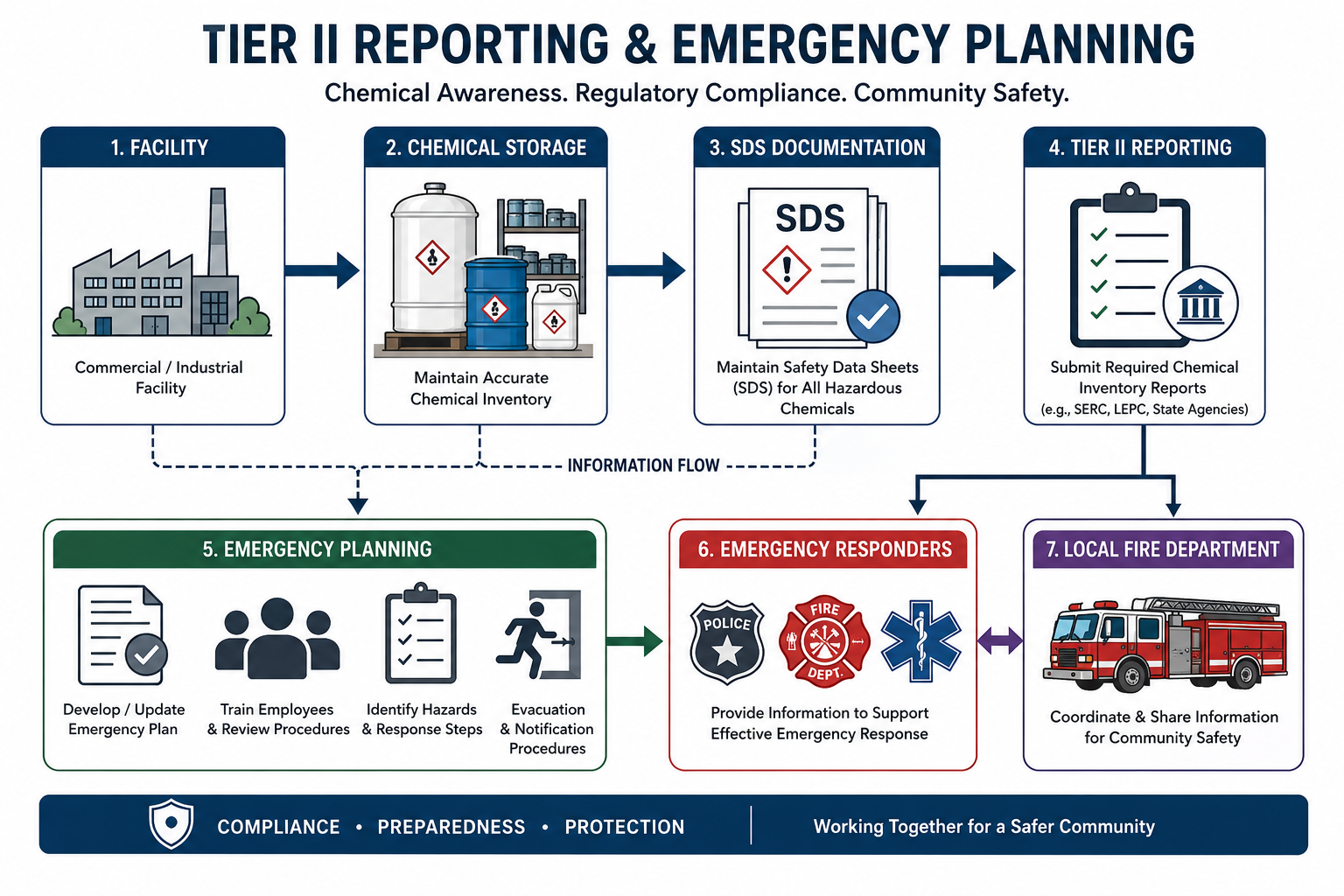
Facilities that store hazardous chemicals above certain reporting threshold levels may also be subject to tier ii reporting requirements under the Emergency Planning and Community Right-to-Know Act (EPCRA). These regulations were established to help communities, emergency responders, and government agencies better prepare for chemical-related emergencies.
Tier ii reporting is intended to provide visibility into the types, quantities, and storage conditions of hazardous substances present at a facility during the reporting period. This information supports emergency planning and community safety efforts while helping fire departments and local response agencies better understand potential site hazards.
Who Must Submit Tier II Reports
A facility may be required to submit a tier ii form if it stores hazardous chemicals that exceed chemical thresholds established under EPCRA section requirements. Reporting obligations can vary depending on the type of chemical, the threshold planning quantity tpq, and whether the materials are classified as extremely hazardous substances.
In general, facilities may need to submit a tier ii submission if they:
- Store hazardous chemicals above applicable reporting threshold limits
- Handle reportable chemicals during the preceding calendar year
- Exceed chemical thresholds established by federal or state programs
- Manage hazardous substances subject to emergency planning requirements
- Store chemicals that present significant physical hazards or health hazards
Facilities must carefully determine whether their operations are subject to tier ii obligations based on storage quantities and chemical classifications.
Information Commonly Included in Tier II Forms
A tier ii form typically includes detailed information about chemicals present at a facility during the previous calendar year. Accurate reporting helps ensure emergency responders and planning agencies have reliable information available during an incident.
Common reporting elements may include:
- Chemical name and common name
- Hazard categories
- Maximum amount stored onsite
- Average daily amount or average daily quantities
- Storage type and storage conditions
- Location information for chemicals stored
- Associated safety data sheet references
- Facility identification data
Some reporting programs also require information regarding applicable underground storage tank systems, especially for facilities that store gasoline or diesel fuel. In certain situations, reporting requirements may intersect with state ust program or state ust program approved regulations.
Why Accurate Reporting Supports Emergency Response
Tier ii reporting plays an important role in emergency planning and community preparedness. Local response agencies rely on accurate data to better understand potential chemical hazards before an incident occurs.
This information may support:
- Local fire department response planning
- Emergency responder safety
- Hazard assessment and evacuation planning
- Spill containment preparation
- Site-specific emergency planning efforts
Facilities that maintain organized chemical inventory records and accurate documentation are often better positioned to support safer operations, improve communication with regulatory agencies, and reduce compliance-related disruptions.
Best Practices for Maintaining Compliance Documentation
Maintaining organized compliance documentation requires more than simply storing records. Facilities that work with hazardous chemicals must develop consistent internal processes that support accuracy, accessibility, and long-term regulatory readiness. Strong documentation practices can help reduce reporting errors, improve workplace safety, and simplify inspections or audits.
As reporting requirements continue evolving, many organizations are placing greater emphasis on proactive documentation management rather than reactive compliance efforts.
Maintain an Up-to-Date Chemical Inventory
One of the most important steps in compliance management is maintaining a complete and accurate chemical inventory. Facilities should regularly review inventory records to verify that chemicals stored onsite match current operational conditions and reporting obligations.
An effective hazardous chemical inventory should include:
- Chemical and substance identification
- Storage location details
- Quantity information
- Hazard classifications
- Storage conditions
- Associated SDS documentation
- Inventory changes across the reporting period
Facilities should also determine whether inventory changes may cause them to exceed applicable chemical thresholds or trigger additional reporting responsibilities.
Regularly Review Safety Documentation
Safety records should be reviewed routinely to ensure facilities maintain up to date information for all products used onsite. This is especially important when suppliers revise formulations, update hazard classifications, or issue revised SDS documentation.
Organizations should verify that:
- Safety data sheets remain current
- Employees can access documentation quickly
- Hazard information aligns with chemical labels
- Emergency contact information is accurate
- Archived records are properly maintained
Regular reviews can help facilities avoid outdated documentation that may create confusion during inspections or emergency situations.
Standardize Documentation Processes Across Sites
Facilities operating across multiple locations often benefit from standardized compliance procedures. Consistent documentation practices can improve reporting accuracy and reduce administrative inconsistencies between departments or sites.
Standardized processes may include:
- Centralized inventory tracking systems
- Shared SDS management procedures
- Internal reporting checklists
- Consistent record retention practices
- Scheduled compliance reviews
- Standardized training procedures
Maintaining consistency across operations can also help organizations better prepare for audits or regulatory reviews.
Coordinate with Technical and Regulatory Partners
Compliance management often becomes more effective when facilities work closely with experienced technical and regulatory support partners. Suppliers and technical consultants can help organizations better understand reporting thresholds, documentation expectations, and evolving regulatory requirements.
For water treatment professionals, collaboration with knowledgeable technical partners may help improve:
- Documentation accuracy
- Product stewardship practices
- Regulatory awareness
- Inventory management
- Emergency planning readiness
- Long-term operational compliance
A proactive approach to compliance documentation not only supports regulatory obligations but also strengthens operational reliability and workplace safety across the entire facility.
How ETI Supports Water Treatment Professionals
Managing compliance documentation, safety records, and chemical reporting requirements can become increasingly complex for water treatment companies, distributors, and OEMs. In many cases, organizations must balance operational performance with evolving regulations, reporting expectations, and customer documentation demands.
Eastern Technologies, Inc. (ETI) supports water treatment professionals by providing both chemical manufacturing capabilities and technical partnership support. Rather than competing with service providers, ETI operates through a partner-focused model designed to help customers strengthen technical capabilities, maintain documentation accuracy, and improve operational reliability.
Technical and Regulatory Support
For companies managing hazardous chemicals, industrial water treatment programs, or wastewater operations, accurate documentation is essential for maintaining compliance and supporting safe facility operations. ETI provides technical and regulatory guidance that helps customers maintain organized records and better navigate reporting expectations.
Support areas include:
- Safety data sheet and technical documentation support
- Regulatory guidance related to biocides and specialty chemistries
- EPA and state registration assistance
- Product labeling support
- Data tracking and reporting assistance
- Technical troubleshooting and application guidance
- Operator training and technical education programs
This support structure helps customers maintain up to date documentation while improving operational consistency across facilities and treatment programs.
Customized Chemical Solutions for Complex Systems
Many facilities require more than standardized treatment programs. ETI develops custom chemical formulations designed around specific operating conditions, water chemistry challenges, and compliance objectives.
ETI supports applications involving:
- Cooling water treatment programs
- Boiler treatment systems
- Wastewater treatment operations
- Membrane system protection
- Oil and grease treatment
- Heavy metal removal
- Microbial control programs
- Odor control and bioaugmentation solutions
The company also provides private labeling support, custom blending capabilities, and specialized treatment chemistries for customers managing diverse industrial environments.
Supporting Long-Term Compliance and Operational Reliability
Accurate documentation and reporting often depend on strong technical coordination between suppliers and water treatment professionals. ETI’s ISO 9001-certified manufacturing processes, technical expertise, and regulatory support services help customers maintain reliable documentation practices while supporting broader compliance initiatives.
For organizations working to improve chemical inventory management, reporting readiness, and operational performance, partnering with an experienced technical resource can help simplify increasingly complex compliance responsibilities.
To learn more about ETI’s water treatment solutions, regulatory support capabilities, and custom chemical programs, contact the ETI team to discuss your operational and compliance goals.