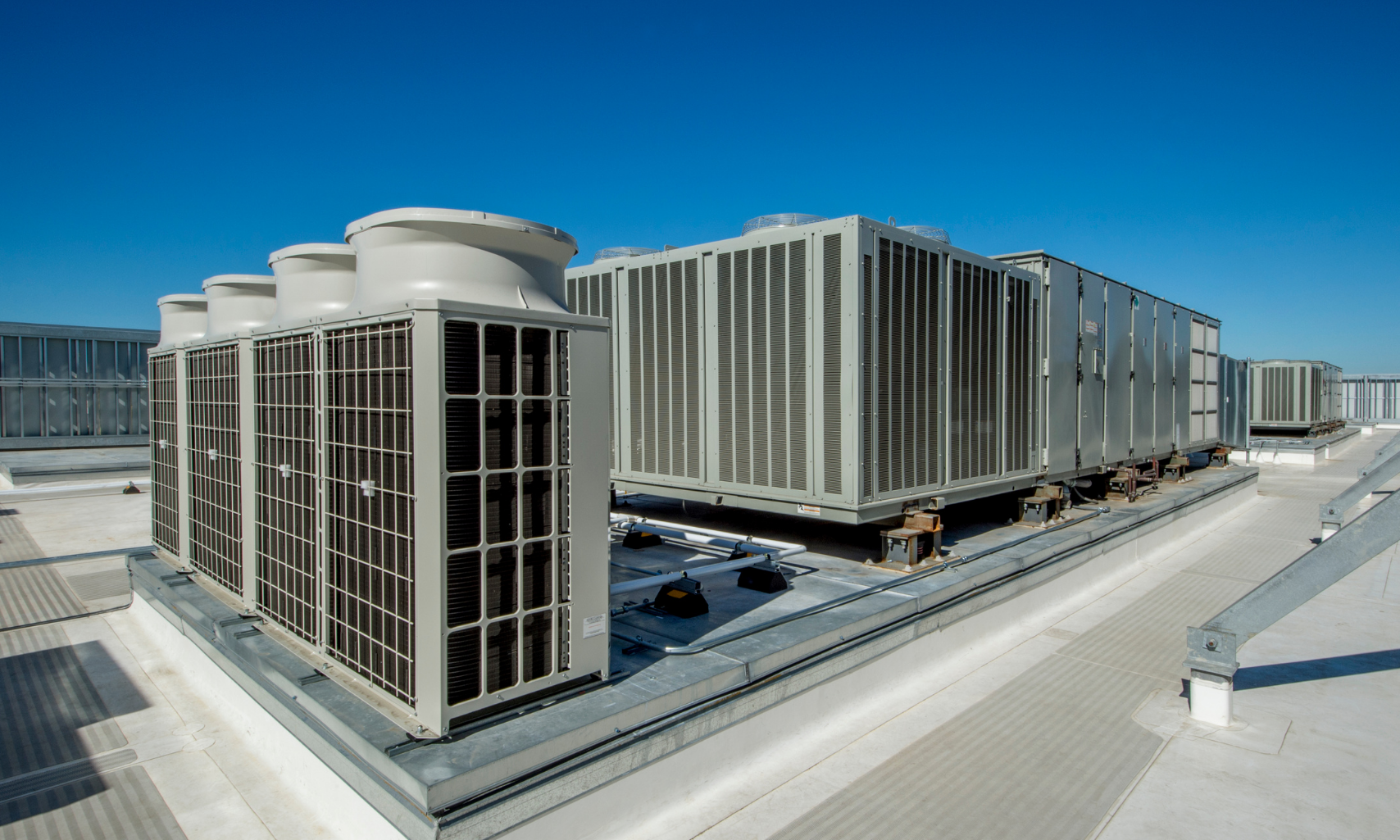
In HVAC and industrial process applications, glycol testing plays an important role in protecting closed-loop systems from corrosion, freezing, and premature equipment failure. While many operators focus primarily on freeze protection, routine testing also helps determine fluid condition, glycol concentration, inhibitor performance, and overall system reliability.
Both ethylene glycol and propylene glycol solutions can experience changes over time due to thermal stress, contamination, dilution, and normal operating conditions. Without regular analysis, glycol levels may fall outside their intended range, increasing the risk of damage, reduced heat transfer efficiency, and costly maintenance issues. Proper glycol testing helps facility teams maintain system performance and ensure long-term operational stability.
Common Glycol Types and Why They Are Tested
In HVAC and industrial process environments, the two most commonly used heat transfer fluids are ethylene glycol and propylene glycol. Each fluid is intended for specific applications based on performance requirements, safety considerations, and operating conditions. Routine glycol testing helps determine whether the solution remains within the proper concentration range and whether the fluid condition can continue supporting reliable system operation.
Ethylene Glycol vs. Propylene Glycol
| Property | Ethylene Glycol | Propylene Glycol |
|---|---|---|
| Common Use | Industrial HVAC and process systems | Food-grade and sensitive applications |
| Heat Transfer Efficiency | Higher thermal performance | Moderate thermal performance |
| Toxicity Level | Toxic if ingested | Lower toxicity |
| Typical Applications | Closed-loop industrial systems | Food processing, pharmaceutical, potable-related systems |
| Freeze Protection Performance | Excellent | Very good |
Testing is commonly performed to evaluate glycol concentration, freezing protection capability, pH level, and inhibitor condition. In some cases, contamination or fluid degradation may also be identified through laboratory analysis of a collected sample. Because ethylene glycol poisoning can occur if the material is improperly handled or ingested, facilities should follow OSHA and WHO safety guidance when storing and maintaining glycol solutions.
Key Glycol Testing Methods for HVAC and Process Systems
Several glycol testing methods are used to evaluate fluid condition, system protection, and overall operational performance. These tests help technicians determine whether glycol levels remain within the intended operating range and whether corrective action may be needed to prevent corrosion or equipment failure.
Freeze Point Testing
Freeze point testing is one of the most common methods used in glycol testing programs. This test helps determine whether the glycol concentration is sufficient to prevent freezing under expected operating conditions.
Common tools used include refractometers and hydrometers. Test results are typically compared against manufacturer charts to confirm proper freeze protection.
- Helps verify glycol concentration
- Supports reliable cold-weather system protection
- Reduces the risk of freezing-related damage
pH Level Testing
Monitoring pH level is important because glycol solutions naturally degrade over time. As fluid condition changes, acidic conditions may develop within the system, increasing the likelihood of corrosion and metal deterioration.
Routine pH testing helps ensure inhibitor chemistry remains effective and supports long-term equipment reliability.
Corrosion Inhibitor Analysis
Many glycol formulations contain corrosion inhibitors designed to protect metal surfaces throughout the system. Over time, these protective components can become depleted due to thermal stress, contamination, or normal operating conditions.
Laboratory analysis may be performed to evaluate:
- Inhibitor condition
- Presence of dissolved metals
- Fluid contamination indicators
- Overall system protection levels
This type of analysis helps maintenance teams identify problems before significant damage can occur.
Conductivity and Contamination Checks
Conductivity testing can help identify contamination from process leaks, poor water quality, or external material entering the solution. Elevated conductivity levels may indicate unwanted changes within the fluid that could affect heat transfer efficiency and overall system condition.
These tests also provide important information for maintaining closed-loop cleanliness and operational consistency.
Visual Inspection of Fluid Condition
A simple visual inspection can often reveal early warning signs that additional testing or corrective action may be needed. Technicians commonly inspect glycol samples for:
- Discoloration
- Suspended material or sediment
- Cloudiness
- Unusual odor
- Visible contamination
When combined with laboratory test results, visual inspection helps provide a more complete understanding of glycol condition and system health.
Why Routine Glycol Testing Matters
Without routine glycol testing, HVAC and process systems may gradually lose protection against corrosion, freezing, and fluid degradation. In many cases, these problems develop slowly over time and remain unnoticed until operational issues or equipment failure occur. Regular monitoring helps maintenance teams identify changes in glycol levels, fluid condition, and inhibitor performance before major damage develops.
Poorly maintained glycol solutions can also reduce heat transfer efficiency, increase energy consumption, and shorten equipment life. By reviewing test results consistently and taking corrective action when needed, facilities can improve long-term reliability and reduce unplanned downtime.
Potential Problems Caused by Poor Glycol Maintenance
- Corrosion inside piping and heat exchangers
- Reduced heat transfer performance
- Pump and seal damage
- Contamination buildup within the system
- Premature equipment failure
- Increased maintenance costs
- Loss of freeze protection during cold conditions
Routine testing provides important information that helps facilities maintain stable operating conditions and avoid costly repairs today and over time.
ETI Support for Glycol Program Management
Effective glycol program management requires more than routine fluid checks. Water treatment professionals often need technical guidance, system-specific chemistry recommendations, and reliable analysis to maintain long-term HVAC and process system performance. ETI supports customers with customized cooling and closed-loop treatment solutions designed to help manage corrosion, maintain proper glycol concentration, and improve overall system reliability.
ETI provides technical support for closed-loop systems through custom chemical blending, laboratory analysis, troubleshooting assistance, and water treatment program guidance. Their capabilities include corrosion inhibitor technologies, dispersants, alkalinity control products, and specialty formulations developed for varying operating conditions and water chemistry profiles. As a manufacturer and technical partner, ETI helps water treatment professionals deliver dependable glycol program performance while supporting operational efficiency and equipment protection.
To learn more about ETI’s closed-loop treatment support and technical water treatment solutions, contact ETI Water today to discuss your glycol testing and system protection needs.