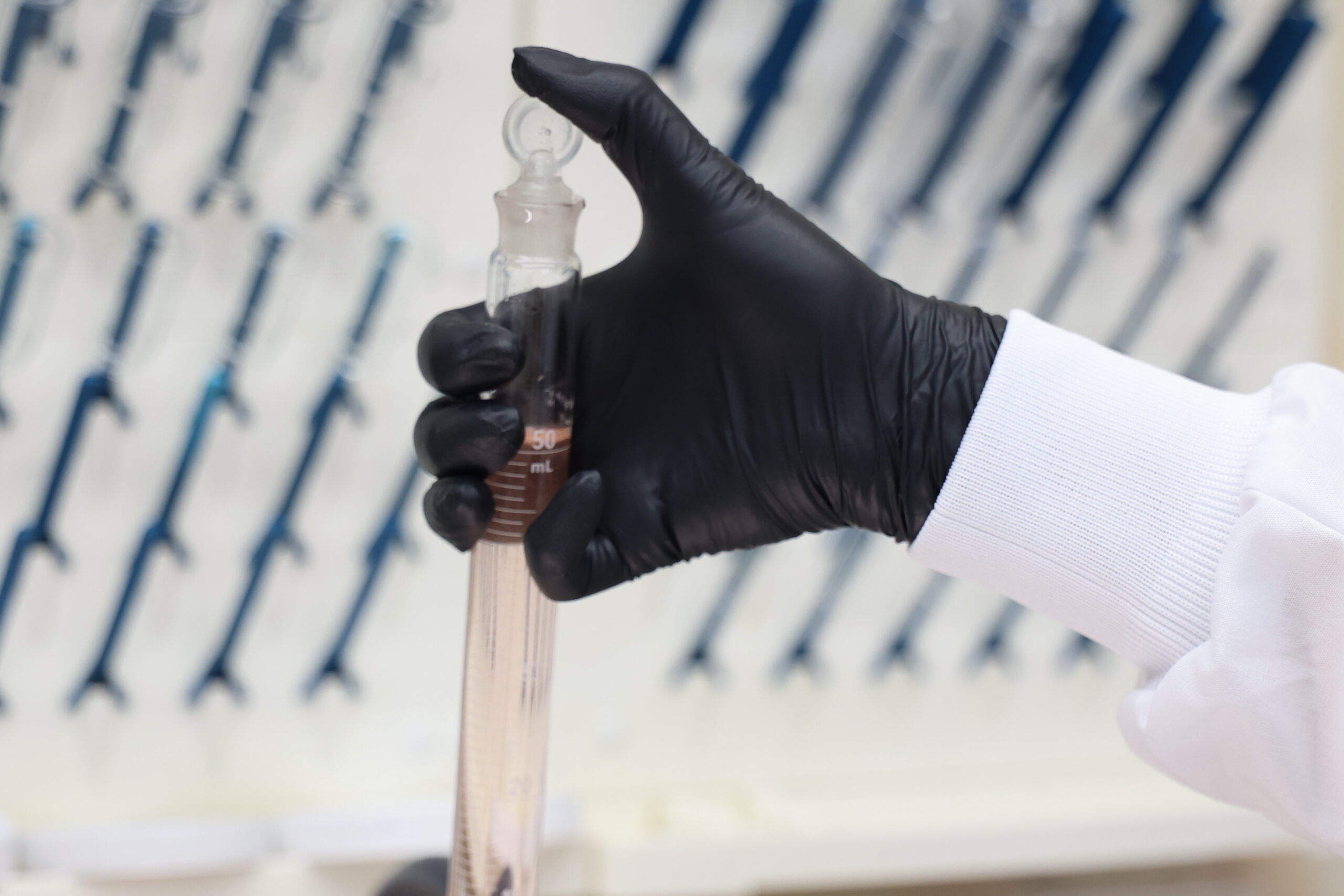
Effective water treatment begins with controlling suspended solids, reducing contaminants, and managing sludge generation. In both municipal and industrial systems, untreated wastewater can carry a complex mixture of organic solids, inorganic solids, and fine particles that are difficult to remove through basic filtration alone. This is where polymer water treatment plays a critical role in improving separation and overall system performance.
At its core, polymer water treatment enhances the removal of solids by supporting the coagulation and flocculation stages of the wastewater treatment process. By helping small particles combine into larger, more stable structures, polymers make it possible for solids to settle, be separated, and ultimately easily removed. The result is clearer effluent, improved operational efficiency, and more consistent production of clean water across a wide range of applications.
How Polymer Water Treatment Works
Polymer water treatment relies on fundamental principles of polymer chemistry to transform fine, unstable particles into larger, removable structures. Polymers are formed when monomer molecules, or monomers, link together through a chemical reaction to create long polymer chains. These chains carry specific charges and structures that allow them to interact with solids suspended in water.
In a typical treatment process, polymers support two key mechanisms:
- Coagulation process: During coagulation, polymers and coagulants neutralize the electrical charges of particles in the mixture. This destabilization allows previously dispersed solids to come into contact.
- Flocculation: In the flocculation stage, long polymer chains act as bridges, binding multiple particles together to form larger aggregates called floc. These floc structures are stronger and more stable, making them easier to remove.
Through this process, fine solids that would otherwise remain suspended become part of larger clusters that can be efficiently separated from the water stream.
Types of Water Treatment Polymers
Different water treatment polymers are designed with specific charges, structures, and forms to match the conditions of a given system. Selecting the right type depends on the nature of the wastewater, the target solids, and the overall treatment goals.
By Charge
- Cationic polymers: Cationic polymers carry a positive charge and are commonly used to treat negatively charged particles. They are widely applied in sludge dewatering and are effective for binding organic solids.
- Anionic polymers: Anionic polymers carry a negative charge and are often used in systems where particles have a positive charge or where metal coagulants are present. They are effective in clarification processes involving inorganic solids such as clay.
- Nonionic polymers: These polymers have no strong charge and are used in specialized conditions where charge interaction is minimal. Their performance depends more on molecular structure and specific properties.
By Form
- Liquid polymers: Ready-to-use liquid formulations are easy to handle and feed into systems. Many are supplied as emulsion polymers, which improve dispersion and activation in water.
- Dry polymers: Dry polymers are typically supplied as powders and must be dissolved to become water soluble before use. They often offer longer shelf life and lower shipping costs.
- Emulsion polymers: An emulsion form allows polymers to be delivered as a stable liquid while containing high molecular weight chains. Proper mixing is required to fully activate them during the treatment process.
Each type of polymer flocculant is designed to form strong floc under the right conditions, making it important to match polymer selection with system requirements and operating conditions.
Applications in Wastewater and Industrial Systems
Polymer water treatment is widely used across a range of wastewater treatment environments to improve solids separation and overall system performance. From municipal systems to complex industrial applications, polymers play a key role in making treatment more efficient and reliable.
Common applications include:
- Wastewater plants: In municipal wastewater plants, polymers are used during clarification to remove suspended solids and reduce contaminants, producing clearer effluent and improving downstream processes.
- Industrial systems: Many industries rely on polymers for treating process water that contains high levels of organic solids and inorganic solids. This includes manufacturing, food processing, and chemical production.
- Sludge thickening and dewatering: Polymers help concentrate solids and improve separation, making sludge easier to handle and prepare for disposal.
- Clarification and separation processes: By enhancing floc formation, polymers allow fine particles to be more effectively separated from water through settling or mechanical processes.
Across these applications, polymers support a more controlled and consistent wastewater treatment process, helping operators achieve better performance and regulatory compliance.
Sludge Control and Solids Removal Process
Polymers play a central role in improving how sludge and solids are handled throughout the treatment system. By enhancing particle aggregation, they make separation processes more effective and predictable.
The typical process for solids removal includes:
- Coagulation: During coagulation, polymers and coagulants are introduced to destabilize suspended particles. This step prepares the system for effective floc formation.
- Floc Formation: A flocculant, often a high molecular weight polymer, binds particles together into larger clusters. These structures are more stable and easier to remove.
- Sedimentation: The formed floc begins to settle under gravity. Through sedimentation, solids are separated from the liquid phase, reducing turbidity and improving clarity.
- Filtration: Remaining solids are removed through filtration, using equipment such as filters or vacuum filters. This step ensures finer particles are captured before discharge or reuse.
- Sludge Handling and Disposal: Concentrated sludge is processed for disposal or further treatment. Because polymers improve dewatering, solids are more compact and easily removed, leading to greater operational efficiency and overall reduction in waste volume.
By optimizing each step, polymer programs help facilities achieve more consistent solids removal while improving downstream performance.
Key Factors for Effective Polymer Performance
Achieving consistent results with polymers requires more than just selecting a product. Performance depends on how well the program is designed, applied, and adjusted to the system. Operators must carefully determine the right conditions to ensure optimal results.
Key factors include:
- Polymer selection: The type of polymer must be suitable for the specific wastewater characteristics. Factors such as particle charge, concentration, and the presence of dissolved materials all influence performance.
- Mixing conditions: Proper dispersion is critical. Excessive high shear mixing can break polymer chains, while insufficient mixing prevents full activation. The right balance ensures effective floc formation with minimal energy loss.
- Interaction with other chemicals: Polymers often work alongside coagulants and other chemicals. These interactions must be managed carefully to ensure the desired chemical reaction and treatment outcome are achieved.
- System variability: Changes in flow, composition, or upstream conditions can impact results. In some systems, polymers may need to be activated differently or adjusted to remain effective as conditions change.
Also read: Essential Guide to Coagulation Process in Water Treatment
By focusing on these factors, operators can improve consistency, optimize performance, and maintain a more reliable treatment operation.
How ETI Supports Polymer Water Treatment Programs
Successful polymer water treatment depends on more than just selecting the right chemistry. It requires ongoing support, system understanding, and the ability to adapt as conditions change. This is where ETI provides value as a dedicated partner to water treatment professionals.
ETI offers a wide range of polymer products designed for diverse wastewater and industrial treatment needs. More importantly, these products are backed by technical expertise that helps ensure reliable system operation and consistent results in the field.
Support includes:
- Technical expertise and troubleshooting: ETI’s team works with partners to evaluate system conditions, identify challenges, and optimize polymer programs for improved performance.
- Jar testing and application support: Hands-on testing helps determine the most effective polymer type and dosage, reducing trial and error while improving efficiency.
- Flexible solutions: Custom approaches allow partners to adjust programs based on changing conditions, helping reduce waste and control costs.
By combining product access with technical support, ETI helps partners achieve better treatment outcomes, improve efficiency, and ultimately save money while maintaining reliable system performance.
For more information or to discuss your application, contact ETI to learn how we support your polymer programs.
Frequently Asked Questions (FAQs)
What are polymers made of?
Polymers are formed from smaller building blocks called monomers, which link together to create long chains of molecules. These components combine through chemical processes to form structures with properties suitable for water treatment.
How long do polymer products last?
The shelf life of polymer products depends on their form, with liquid and emulsion types typically having shorter storage stability than dry forms. Proper storage conditions help maintain performance and prevent degradation over time.
Can polymers work with other chemicals?
Yes. Polymers are often used alongside coagulants, pH adjusters, and other treatment chemicals to improve overall system performance. When properly selected and dosed, they enhance floc formation, increase solids removal efficiency, and support more stable treatment conditions.
What industries use polymer treatment?
A wide range of industries rely on polymers for industrial applications, including manufacturing, food processing, and chemical production. These systems use polymers to improve solids separation and maintain compliance with water quality standards.
How do polymers improve filtration?
Polymers enhance filtration by forming larger floc that can be more easily captured by a filter or mechanical system such as vacuum filters. This improves removal efficiency and reduces the load on downstream equipment.