In today’s evolving chemical industry, water treatment programs are becoming more complex, requiring solutions that go beyond standard, off-the-shelf chemicals. A chemical blender plays a critical role in helping industries adapt to these challenges by delivering customized formulations designed for specific system conditions and operational goals. From cooling towers to boiler systems and wastewater applications, the demand for tailored treatment solutions continues to grow.
Unlike traditional chemical manufacturers that offer fixed formulations, a chemical blender focuses on flexibility and precision through advanced chemical blending techniques. This approach allows organizations to develop a more targeted solution, improving treatment outcomes while aligning with performance, regulatory, and cost requirements. As systems vary widely across industries, the ability to customize chemistry is no longer optional, it is essential.
Understanding Chemical Blending in Water Treatment
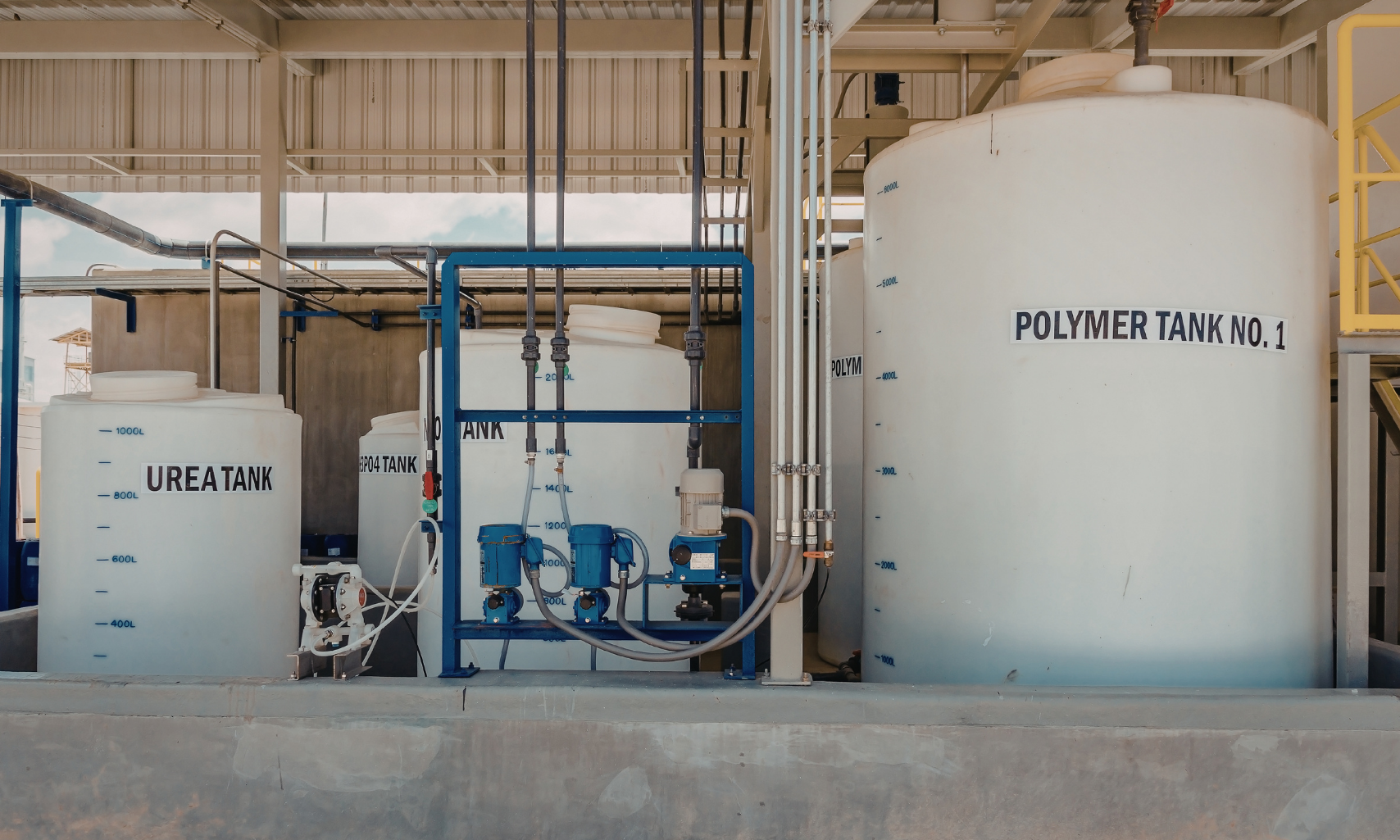
Chemical blending is the controlled process of combining raw materials to create formulations tailored for specific water treatment needs. In this context, chemical blending is not simply mixing substances; it involves carefully designed processes that ensure consistency, stability, and effectiveness across each batch. The use of specialized equipment and precise control systems allows manufacturers to produce reliable results for a wide range of applications.
Key components involved in the blending process include:
- Chemical mixing equipment designed to handle liquids, powders, and specialty additives
- Advanced blending equipment and industrial mixers that support accurate mixing and uniform distribution
- Controlled batch processes that ensure repeatable quality and performance
- Supporting systems such as pumps and temperature controls to manage flow, heat, and reaction conditions
These systems are engineered to operate efficiently while maintaining strict standards for accuracy and consistency. In water treatment, even small variations in formulation can impact system performance, which is why precision in blending is essential. By leveraging the right combination of equipment and expertise, manufacturers can deliver solutions that meet the specific demands of each application.
Why Custom Blended Products Matter
Standard treatment programs often fall short when applied across systems with varying conditions, which is why blended products designed for specific applications are increasingly important. Water treatment systems operate under different loads, flow rates, and temperature conditions, making it difficult for generic formulations to consistently deliver the desired results. Custom blending allows for adjustments that align chemistry with real-world operating environments.
Well-designed formulations are especially valuable in demanding applications, where performance must remain stable despite fluctuations in system conditions. By tailoring chemistry to these variables, operators can improve reliability while maintaining control over treatment outcomes.
Key benefits of custom blended products include:
- Improved performance across varying temperature and system conditions
- Greater efficiency, helping reduce chemical usage and overall cost
- Enhanced accuracy in targeting specific treatment objectives
- Ability to achieve precise results based on system requirements
Ultimately, custom blending provides the flexibility needed to optimize treatment programs. Instead of adapting operations to fit available products, facilities can use chemistry that is specifically developed to meet their needs, resulting in more consistent and effective outcomes.
Key Capabilities of a Modern Chemical Blender
A modern chemical blender must deliver more than basic mixing capabilities. It should combine advanced manufacturing practices, strong quality controls, and reliable operations to consistently produce high-performing finished products. These capabilities are essential for meeting the needs of water treatment professionals working across a wide range of applications.
Manufacturing Quality and Consistency
Consistent results depend on well-defined processes and strict quality standards. A capable blender ensures every batch meets required specifications, maintaining uniformity across all blended products regardless of scale.
Safety and Compliance Standards
Adherence to safety protocols and regulatory guidelines is critical in the chemical industry. Proper handling, storage, and documentation help protect both workers and end users while ensuring compliance with OSHA and other governing bodies.
Packaging and Product Flexibility
Flexibility in packaging allows products to be delivered in formats that suit different operational needs. From small containers to bulk units, this adaptability supports efficient handling and application in the field.
Reliability and Scalability
A dependable chemical blender must offer both reliability and the ability to scale production as demand grows. This ensures consistent availability of products while supporting long-term growth for customers operating in diverse environments.
Choosing the Right Chemical Blending Partner
Selecting the right chemical blender is a critical decision that can directly impact operational success and long-term business growth. While many providers offer basic blending capabilities, not all deliver the level of support, technical knowledge, and consistency required for effective water treatment programs. A strong partner should function as an extension of your team, helping you navigate challenges and optimize results for your customers.
When evaluating potential partners, consider the following:
- A knowledgeable team that can provide technical guidance and help develop effective formulations
- Comprehensive services that go beyond manufacturing, including troubleshooting and application support
- Proven reliability in production, ensuring consistent quality and timely delivery
- The ability to assist with evolving needs, enabling scalability and long-term growth
Working with a capable partner makes a measurable difference in both performance and operational efficiency. Rather than relying on a transactional supplier, organizations benefit from a relationship that prioritizes collaboration, problem-solving, and continuous improvement.
ETI’s Chemical Blending Services for Water Treatment
As a specialized chemical blender, ETI Water combines advanced manufacturing capabilities with deep technical expertise to support water treatment professionals across a wide range of applications. Rather than functioning as just another manufacturer, the company is structured to assist distributors, OEMs, and service providers by delivering customized solutions that align with real-world operating conditions.
ETI’s strength in chemical blending lies in its ability to develop and create application-specific formulations backed by laboratory validation and field experience. These services are designed to support demanding applications in boiler and cooling systems, and wastewater environments, where precision and reliability are critical to performance.
Key capabilities include:
- Custom blending of multi-functional treatment programs tailored to system conditions
- Flexible packaging and private label options to support your business model
- Technical support including lab analysis, troubleshooting, and program optimization
- Access to specialized resources for regulatory guidance, documentation, and compliance
By integrating product development with technical partnership, ETI enables its customers to deliver consistent, high-quality results without the limitations of off-the-shelf chemistry. Their approach is built on flexibility, quality, and long-term collaboration, helping partners scale with confidence.
To learn how ETI can support your water treatment programs, contact ETI Water today to discuss your custom solution needs.
Frequently Asked Questions (FAQs)
What types of chemicals can be blended for water treatment?
A wide variety of chemicals can be blended, including inhibitors, biocides, and polymers, depending on system requirements. These formulations can also incorporate powders or liquid components to meet specific treatment objectives.
How does chemical blending impact efficiency and cost?
Proper mixing and optimized formulations improve system efficiency by reducing overuse and enhancing performance. This helps control overall cost while minimizing unnecessary chemical consumption and maintenance needs.
What equipment is used in chemical blending processes?
Blending operations typically rely on specialized equipment such as industrial mixers, pumps, and controlled systems that regulate temperature and flow. These components work together to ensure consistent quality and reliable production.
Can chemical blending support demanding or specialized applications?
Yes, custom blending is widely utilized in different types of systems, including those similar to fertilizers or industrial processes that require precise control. These solutions are designed to operate effectively even under challenging conditions such as high heat or variable loads.
How do I choose between different chemical manufacturers or blenders?
When comparing providers, consider their construction of processes, commitment to security and safety, and ability to deliver beyond what a limited or transactional manufacturer may offer. A strong partner will provide both reliable products and the expertise needed to support long-term success.