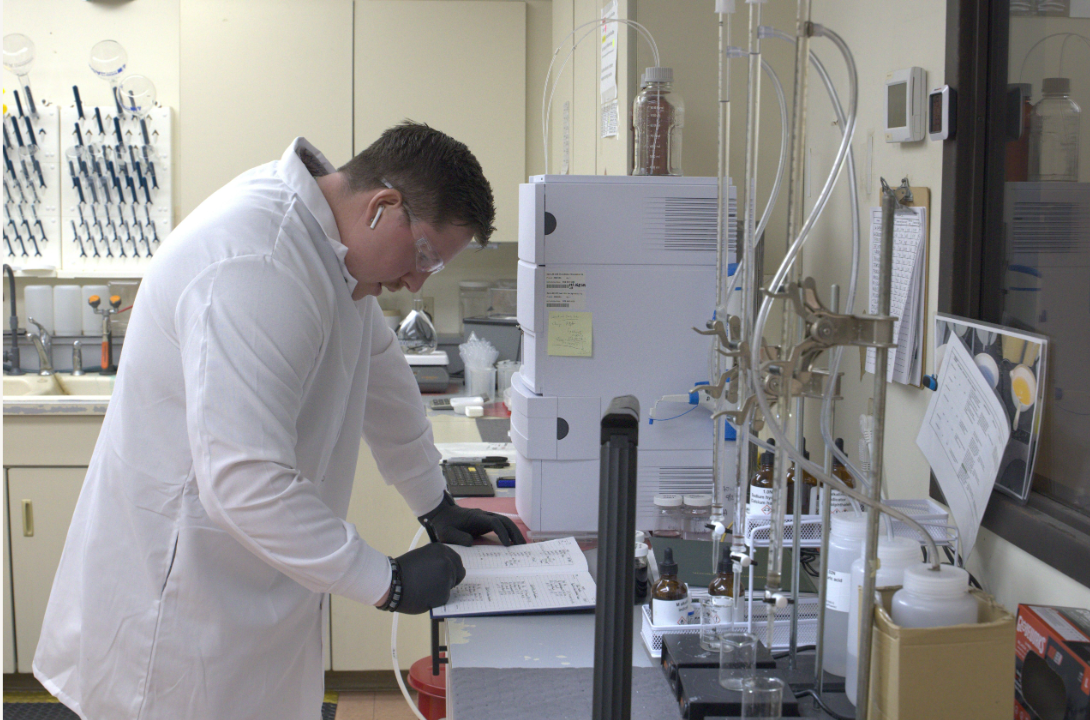
Water treatment testing is a fundamental part of maintaining reliable operations, protecting infrastructure, and ensuring consistent water quality across a wide range of applications. Whether managing industrial processes, supporting a municipal water supply, or maintaining a specialized water treatment system, the ability to accurately determine the condition of water is critical to long-term performance.
Without proper monitoring, contaminants can go undetected, system efficiency can decline, and treatment programs may become reactive instead of proactive. From identifying chemical imbalances to tracking changes in water quality over time, testing provides the data professionals need to make informed decisions.
As water treatment continues to evolve, effective testing and monitoring remain the foundation for delivering clean, safe, and properly managed water across industries.
Why Water Testing and Monitoring Matter
Effective water testing plays a central role in maintaining system performance, protecting public health, and meeting regulatory requirements. Whether working with industrial water systems or public water systems, professionals rely on consistent monitoring to test water quality and ensure that treatment programs are performing as intended.
In many cases, regulatory frameworks such as the Safe Drinking Water Act require routine monitoring to safeguard drinking water quality and protect communities. Government agencies establish guidelines that help identify harmful contaminants before they pose a risk, reinforcing the importance of structured testing programs.
Consistent monitoring supports several critical objectives:
- Ensures compliance with regulatory requirements and industry standards
- Helps identify harmful contaminants before they impact system performance or health
- Protects drinking water quality in public water systems
- Supports environmental protection by managing discharge and wastewater conditions
- Enables data-driven adjustments to improve treatment efficiency
By prioritizing regular testing and monitoring, water treatment professionals can move beyond reactive maintenance and establish a more controlled, reliable approach to managing water quality.
Core Methods of Water Treatment Testing
Water treatment testing involves a combination of field, laboratory, and microbiological methods. Each approach serves a specific role, from routine monitoring to advanced diagnostics. Selecting the right method depends on the application, required accuracy, and the type of contaminants being evaluated.
Field Testing Methods
Field-based water testing is the most immediate and accessible way to monitor system conditions. These methods are typically used for daily or routine checks and provide quick insights into key water quality parameters.
Common tools include test kits, handheld meters, and test strip methods that allow professionals to evaluate conditions directly at the source.
- Measures pH levels, chlorine residual, and temperature
- Evaluates total dissolved solids in real time
- Provides fast feedback for operational adjustments
- Supports routine monitoring of water treatment systems
Field testing is essential for maintaining control, but it is typically complemented by more precise methods when deeper analysis is required.
Laboratory Testing Methods
Laboratory testing provides a higher level of precision and is often required for compliance, troubleshooting, or identifying complex contaminants. Samples must be carefully collected using proper procedures to ensure accurate results.
A water sample is typically collected in a clean sample bottle, following standardized methods to avoid contamination. These samples are then analyzed in a certified laboratory using advanced instrumentation.
- Detects volatile organic compounds, lead, and other harmful contaminants
- Provides highly accurate results for regulatory compliance
- Supports detailed analysis of chemical composition
- Requires proper handling when collecting and transporting samples
Laboratory testing is essential when decisions depend on precise data or when specific contaminants must be identified at low concentrations.
Microbiological Testing
Microbiological testing focuses on detecting bacteria and biological activity within water systems. This is especially important for drinking water, cooling systems, and wastewater applications where biological growth can create serious risks.
Testing typically targets coliform bacteria, including total coliform bacteria, E. coli, and other coli bacteria that indicate potential contamination.
- Measures bacteria levels to assess system health
- Helps support disease control and public safety
- Identifies risks from biological contamination
- Often used alongside chemical testing for a complete picture
Monitoring bacteria is critical for preventing system fouling and ensuring safe water conditions, particularly in systems exposed to environmental or organic contamination.
Comparison of Testing Methods
| Method | Speed | Accuracy | Typical Use Case |
|---|---|---|---|
| Field Testing | Fast | Moderate | Routine monitoring and control |
| Laboratory Testing | Slower | High | Compliance and diagnostics |
| Microbiological Testing | Moderate | High | Bacteria detection and safety |
Each of these methods plays a complementary role in water treatment testing. When used together, they provide a comprehensive understanding of system conditions and support more effective treatment decisions.
Key Water Quality Indicators to Monitor
Understanding key water quality indicators is essential for evaluating system performance and ensuring effective water treatment. These indicators help professionals detect imbalances, identify contaminants, and determine whether adjustments are needed to maintain optimal conditions.
Water quality indicators generally fall into three main categories: physical, chemical, and biological.
Physical Indicators
Physical characteristics provide immediate insight into the condition of water and can often signal underlying issues.
- Temperature, which affects chemical reactions and system efficiency
- Total dissolved solids, indicating the concentration of dissolved solids in the water
- Appearance factors such as clarity or suspended materials
- Changes that may influence water’s taste in drinking water applications
Chemical Indicators
Chemical parameters are critical for controlling corrosion, scaling, and treatment effectiveness.
- pH levels, which influence chemical balance and system stability
- Chlorine residual, used for disinfection and microbial control
- Presence of chemicals and other harmful chemicals that may affect performance
- Hard water conditions, which contribute to scale formation
- High levels of metals such as lead or other contaminants
Monitoring chemical indicators allows professionals to maintain proper dosing and prevent long-term damage to equipment and systems.
Biological Indicators
Biological activity can significantly impact both system performance and safety.
- Bacteria and bacteria levels that indicate biological growth
- Coliform bacteria and total coliform bacteria as indicators of contamination
- E. coli and other coli bacteria linked to health risks
- Biological contamination from sources such as animal waste
Tracking biological indicators is essential for disease control and maintaining safe conditions, particularly in drinking water and wastewater systems.
By regularly evaluating these water quality indicators, professionals can detect changes early, respond effectively, and maintain consistent control over water systems.
Building an Effective Monitoring Program
A structured monitoring program is the most effective way to maintain consistent performance across water systems. Rather than relying on occasional testing, professionals use regular testing to track trends, detect issues early, and determine the right adjustments for treatment systems.
An effective program combines routine checks with targeted analysis, ensuring both day-to-day control and deeper insight when needed.
Key Steps in a Monitoring Program
- Baseline Analysis: Begin by evaluating the water source and system conditions. This establishes a reference point for future comparisons.
- Routine Testing: Conduct regular testing using field methods to monitor parameters such as pH, chlorine, and dissolved solids. This helps maintain control over ongoing operations.
- Trend Tracking: Record and review data over time to identify patterns or gradual changes in water systems. Trends often reveal issues before they become critical.
- Diagnostic Testing: When irregularities appear, perform additional tests or specific tests through laboratory analysis to identify root causes.
- Program Adjustment: Use test data to determine the most effective way to adjust chemical dosing or operational parameters within treatment systems.
- Verification and Follow-Up: After adjustments, continue testing to confirm improvements and ensure the system remains stable.
By combining routine monitoring with targeted analysis, water treatment professionals can move beyond reactive maintenance and build a more reliable, data-driven approach to managing water quality.
Specialty and Advanced Testing Applications
In complex systems, standard testing methods may not be enough to fully identify contaminants or diagnose performance issues. Advanced testing applications provide deeper insight into water chemistry, helping professionals address challenging conditions in industrial water treatment and wastewater environments.
These methods are often used when routine data indicates inconsistencies or when systems are exposed to multiple contaminants.
Examples of Advanced Testing Applications
- Identifying harmful chemicals and other contaminants that are not detected through routine testing
- Analyzing wastewater to support environmental protection and ensure compliance with discharge standards
- Evaluating the presence of specific compounds that may interfere with treatment performance
- Supporting investigations where multiple contaminants or unknown variables are present
- Using targeted methods to identify contaminants in complex or changing water conditions
Advanced testing plays a critical role in resolving persistent issues and optimizing treatment strategies. By combining these methods with routine monitoring, professionals can achieve a more complete understanding of system behavior and maintain consistent control over water quality.
ETI’s Role in Supporting Water Treatment Professionals
Effective water treatment testing requires more than collecting data, it depends on having the right tools, technical insight, and support to interpret results and take action. Eastern Technologies, Inc. (ETI) exists to support water treatment professionals by equipping them with the resources needed to manage a water treatment system with confidence and precision.
With more than 38 years of industry experience, ISO 9001:2015 certification, and recognition as the 2023 AWT Supplier of the Year, ETI provides a strong technical foundation for partners working across industrial, commercial, and municipal applications. Their role is not to replace the service provider, but to strengthen their capabilities.
How ETI Supports Water Treatment Testing
- Provides access to specialized laboratory resources and technical expertise to interpret test results and ensure accurate results
- Supplies advanced testing tools designed for real-world applications, including support for both routine monitoring and complex diagnostics
- Assists in aligning water treatment testing data with the appropriate chemical programs for each system
- Supports troubleshooting efforts through experienced technical staff and application-specific guidance
- Operates under a non-compete, partner-first model that enables distributors and service providers to grow their business
By combining technical support with a broad portfolio of treatment solutions, ETI helps professionals move from data collection to informed decision-making. This approach ensures that testing efforts translate into improved system performance, better control, and long-term reliability.
For water treatment professionals looking to strengthen their testing programs and optimize results, ETI serves as a dependable partner behind the scenes, providing the expertise and tools needed to succeed. To learn how ETI can support your water treatment testing and monitoring efforts, connect with our team or visit our website to explore available solutions and technical resources.
Frequently Asked Questions (FAQs)
How do you test drinking water at home?
Home water testing kits can be used to test water quality from a kitchen tap, measuring parameters like pH, chlorine, and contaminants in tap water. While these test kits provide quick insights, more complex issues may require laboratory testing for accurate results.
What should be tested in well water or private wells?
Well water from private wells should be tested for bacteria, including coliform bacteria and E. coli, as well as contaminants from sources like animal waste. Regular testing helps ensure the well system remains safe and that bacteria levels do not reach harmful levels.
How do municipal water systems ensure water safety?
Municipal water and public drinking water systems follow strict regulatory requirements under the Safe Drinking Water Act, enforced by government agencies. These systems rely on continuous monitoring and testing to maintain drinking water quality and protect public health.
What affects the taste and quality of tap water?
Water’s taste can be influenced by dissolved solids, chlorine levels, and the presence of other contaminants within the plumbing system or household plumbing. Installing water filters and conducting regular testing can help improve overall water quality and taste.
How should a water sample be properly collected?
To collect water properly, use a clean sample bottle and follow standard procedures based on the water source, whether from a well system or municipal supply. Proper handling of each sample ensures accurate results and helps identify contaminants effectively.