Water treatment systems operate in environments where microorganisms are constantly present and actively adapting. Without proper microbial control, these systems can quickly become compromised by unchecked microbial growth, leading to reduced efficiency, equipment damage, and increased operational risk. From cooling towers to boiler systems, the presence of bacteria and other microbes is not just inevitable, it is a critical factor that must be actively managed.
As microbial populations expand, they form complex communities that can adhere to surfaces, consume nutrients, and interfere with system performance. This growth is often fueled by organic material, temperature conditions, and system design factors that support biological activity. Left unmanaged, these conditions can contribute to fouling, corrosion, and even risks to public health, particularly when harmful microorganisms are allowed to proliferate.
Effective microbial control is therefore not a one-time treatment, but an ongoing strategy that combines science, monitoring, and application expertise. Understanding how microorganisms behave and how they can be controlled is the foundation for building reliable and efficient water treatment programs.
Understanding Microbial Growth in Water Systems
Microbial activity in industrial water systems is driven by a combination of environmental conditions and biological characteristics. To effectively manage microbial growth, it is essential to understand how microorganisms survive, reproduce, and interact within these systems. Factors such as nutrient availability, temperature, and system design all contribute to bacterial growth and the expansion of microbial communities.
Factors That Drive Microbial Growth
Several conditions commonly found in water systems create an ideal environment for microbes:
- Organic matter, which serves as a food source for microorganisms
- Warm temperatures that support rapid metabolic activity
- Stagnant zones where water flow is limited
- Presence of dissolved nutrients and minerals
- Interaction with other living organisms within the system
These factors allow microbes to multiply quickly, increasing microbial populations and making control more challenging over time.
Gram-Positive vs Gram-Negative Bacteria
Not all bacteria behave the same way. Differences in cellular structure, particularly in bacterial cell walls, influence how microbes respond to treatment strategies.
- Gram positive bacteria have thicker cell walls, which can make them more resilient to certain environmental stresses
- Gram negative bacteria have thinner walls but possess an outer membrane that can provide added protection against some chemical treatments
These structural differences affect how antimicrobial strategies target the cytoplasmic membranes and internal systems of the cell.
How Microorganisms Damage Systems
Once established, microorganisms can cause significant operational issues. Many microbes produce microbial enzymes that degrade materials, contribute to corrosion, and interfere with system chemistry. As microbial activity increases, these biological processes accelerate, leading to equipment fouling and reduced performance.
Types of Microorganisms of Concern
Not all microorganisms present in water systems pose the same level of risk. Some are relatively easy to control, while others are highly resistant and capable of surviving under harsh conditions. Understanding the different types of microbes is essential for selecting the right treatment strategy and ensuring long-term system reliability.
In most industrial water systems, a diverse mix of bacteria, fungi, protozoa, and viruses can be present. These organisms exist in different life stages, which directly affects how susceptible they are to treatment.
Common Microorganisms in Water Systems
| Type | Example | Resistance Level | Relevance |
|---|---|---|---|
| Vegetative bacteria | Common waterborne bacteria | Low | Easily targeted during active growth |
| Bacterial spores | Bacillus subtilis | High | Extremely resistant, survive harsh conditions |
| Fungal spores | Mold and yeast forms | Moderate | Persistent in moist environments |
| Protozoa | Includes protozoan cysts and protozoan trophozoites | Variable | Can protect other bacteria, including pathogens |
| Viruses | Includes enveloped viruses | Variable | Potential health concern in certain systems |
Why Resistance Matters
Microorganisms in their active state, often referred to as vegetative cells or vegetative bacteria, are generally more vulnerable to treatment. However, when exposed to stress, some microbes form protective structures such as bacterial spores or cysts, allowing them to survive chemical exposure, temperature changes, and other control efforts.
These resistant forms can persist in systems and reactivate when conditions become favorable again. Additionally, the presence of potential pathogens and interactions with other bacteria can complicate treatment strategies, especially in systems where biofilm development provides an added layer of protection.
Because of this variability, effective microbial management requires more than targeting a single type of organism. It requires a comprehensive understanding of microbial behavior across different life stages and environmental conditions.
Core Microbial Control Methods
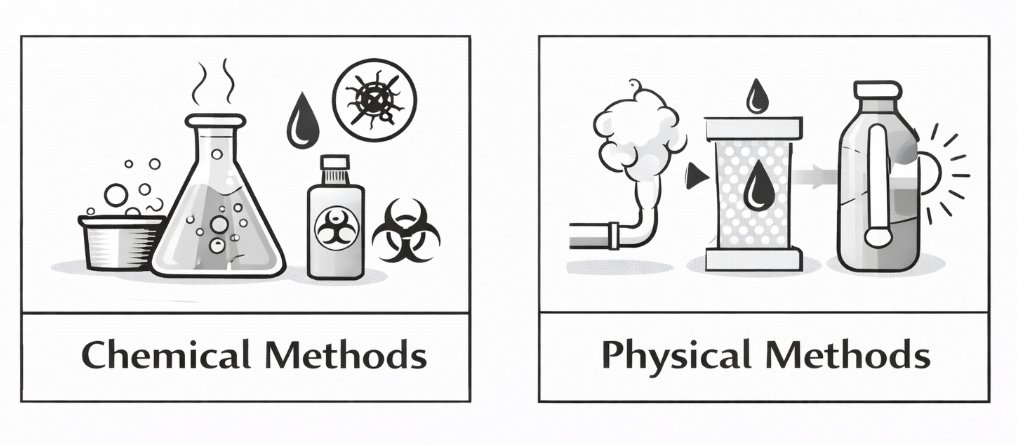
Effective microbial control in water treatment systems requires a structured approach that combines multiple strategies. No single method is sufficient on its own, especially in complex industrial environments where microorganisms exist in different forms and protective states. Instead, successful programs rely on integrating chemical methods and physical methods to achieve consistent and reliable results.
Chemical Methods
Chemical control remains the most widely used approach for managing microbial activity in water systems. These methods rely on antimicrobial agents and antimicrobial chemicals designed to disrupt critical cellular functions.
Common examples include:
- Oxidizing and non-oxidizing biocides
- Chemical disinfectants that target cell structures
- Targeted antimicrobial treatment programs for specific system conditions
These chemical agents work by interfering with essential biological processes, ultimately leading to microbial death. When properly applied, they can significantly reduce microbial activity and help control microbial growth in both planktonic and surface-associated populations.
Physical Methods
In addition to chemical approaches, physical methods can be used to limit microbial activity. These involve physical agents that alter environmental conditions in ways that inhibit or destroy microorganisms.
Examples include:
- Heat-based treatments such as high temperatures
- Filtration or mechanical removal processes
- Radiation methods like UV light
While effective in certain applications, physical methods are often limited in large-scale water systems due to practicality and cost. However, they can serve as valuable supplements to chemical strategies.
Why Integrated Strategies Matter
Relying on a single approach rarely delivers long-term success. The control of microbial growth requires combining such methods in a coordinated program that addresses different microbial states and system conditions.
An integrated strategy allows operators to:
- Target multiple types of microorganisms simultaneously
- Improve penetration into protected environments like biofilms
- Adapt treatment based on system performance and monitoring data
By combining chemical and physical approaches, water treatment professionals can achieve more stable and effective microbial control, reducing operational risks and improving system efficiency.
Chemical Methods of Microbial Control
Chemical treatment plays a central role in modern microbial control programs, particularly in industrial water systems where continuous protection is required. These approaches rely on carefully selected chemical agents and chemical disinfectants that target essential cellular functions within microorganisms. When applied correctly, they provide consistent and scalable solutions for reducing microbial activity and maintaining system performance.
How Chemical Agents Work
Most antimicrobial agents function by disrupting critical components of microbial cells. These mechanisms are highly effective because they target structures and processes that are essential for survival.
Common modes of action include:
- Denature proteins, altering their structure and rendering them nonfunctional
- Damage enzymes, preventing metabolic processes from occurring
- Disrupt cytoplasmic membranes, leading to leakage of cellular contents
- Interfere with protein synthesis, halting growth and reproduction
- Alter or destroy nucleic acids, preventing replication
Some chemical treatments work by forming or breaking covalent bonds, including the creation of new covalent bonds within cellular structures. These reactions permanently damage the cell, leading to microbial death.
Common Chemical Disinfectants
A variety of chemical disinfectants are used in water treatment, each with specific strengths depending on the system and conditions.
- Chlorine bleach, widely used for its strong oxidizing properties and ability to rapidly kill microorganisms
- Peracetic acid, effective across a broad range of microbes and less impacted by organic load
- Quaternary ammonium compounds, commonly used in lower-risk applications and as low level disinfectants
These antimicrobial chemicals are selected based on system requirements, compatibility, and the types of microorganisms present, including gram positive bacteria, gram negative bacteria, and even some most viruses.
Key Application Factors
The effectiveness of chemical treatment depends on how it is applied. Several variables influence performance:
- Exposure time, which determines how long microorganisms are in contact with the disinfectant
- Concentration levels, including effectiveness at low concentrations versus higher doses
- Presence of organic matter, which can reduce the activity of some chemicals
- System conditions such as temperature and flow
Standardized measures like the phenol coefficient help compare the effectiveness of disinfectants under controlled conditions, but real-world performance depends on proper application.
Practical Considerations
While chemical treatments are highly effective, they must be used strategically. Overuse or improper selection can lead to reduced performance or adaptation within microbial communities. A well-designed program considers system variability and adjusts treatment accordingly to maintain consistent control.
Physical Methods of Microbial Control
While chemical treatments dominate most industrial programs, physical methods also play an important role in limiting microbial activity. These approaches rely on environmental changes or energy-based processes to inactivate or destroy microorganisms. In certain applications, they can complement chemical strategies and enhance overall system performance.
Heat-Based Methods
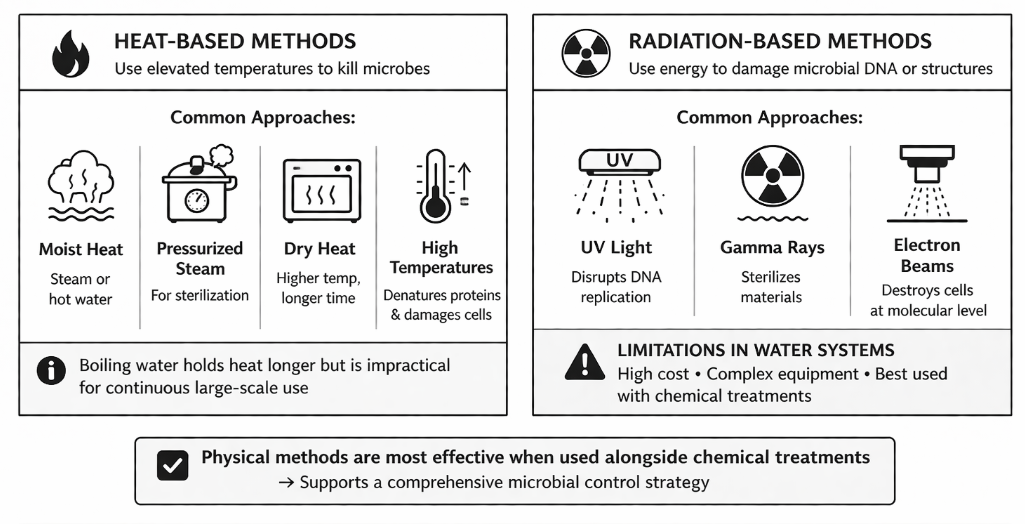
Heat is one of the oldest and most reliable physical agents used to control microorganisms. Elevated temperatures disrupt cellular structures and accelerate microbial death by damaging proteins and membranes.
Common heat-based approaches include:
- Moist heat, which uses steam or hot water to transfer energy efficiently
- Pressurized steam, often used in sterilization processes due to its ability to penetrate materials
- Dry heat, which requires higher temperatures and longer exposure times
- High temperatures, which can denature proteins and destroy cellular integrity
In controlled environments, boiling water prevents steam from escaping rapidly, allowing heat to remain in contact with surfaces longer. However, while heat is highly effective, it is often impractical for continuous use in large-scale water systems.
Radiation-Based Methods
Radiation offers another category of physical methods for microbial control, particularly in specialized applications.
Examples include:
- UV light, which damages DNA and prevents replication
- Gamma rays, used in sterilization of sensitive materials
- Electron beams, which disrupt cellular structures at a molecular level
These technologies can effectively reduce microbial presence, especially in controlled systems such as water polishing or point-of-use treatment.
Practical Limitations in Water Systems
Despite their effectiveness, physical methods are not always practical for industrial water treatment. Large system volumes, continuous flow, and operational constraints limit the use of heat and radiation as standalone solutions.
As a result, physical approaches are most often used in combination with chemical treatments, supporting a more comprehensive strategy for controlling microbial activity.
Biofilm and Advanced Control Strategies
One of the most significant challenges in water treatment is not just the presence of microorganisms, but how they organize and protect themselves. In many systems, microbes form biofilms, structured communities attached to surfaces that are far more resistant to treatment than free-floating cells. This is where achieving effective microbial control becomes more complex.
Biofilms develop when microorganisms adhere to surfaces and begin producing a protective matrix. This structure allows microbes to survive in harsh conditions, resist treatment, and continue reproducing even when chemical levels appear adequate. As a result, standard treatments may reduce microbial numbers in the water column but fail to address the root of the problem.
Why Biofilms Are Difficult to Control
Biofilms create multiple layers of protection that make treatment more challenging:
- Reduced penetration of chemical treatments into the biofilm structure
- Presence of mixed microbial populations, including other bacteria that enhance survival
- Slower metabolic activity, making microbes less susceptible to treatment
- Ability to recover quickly after partial microbial death
These factors mean that even aggressive treatment programs may only achieve temporary reductions if biofilms are not properly addressed.
To manage biofilms effectively, water treatment programs must go beyond simple disinfection. They must incorporate strategies that disrupt the biofilm structure, expose embedded microorganisms, and maintain consistent control over time. This often involves combining multiple treatment approaches and adjusting them based on system conditions and performance data.
Industrial Applications and Risk Management
Microbial activity affects a wide range of industrial water systems, making infection control and system reliability critical considerations. Without proper management, microbial contamination can contribute to operational inefficiencies and increase the risk of disease transmission, particularly in systems where water is exposed to the environment or human contact.
Common Systems Impacted
Microbial issues are most commonly encountered in:
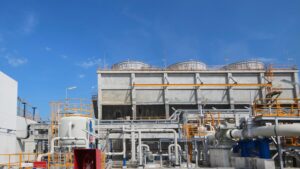
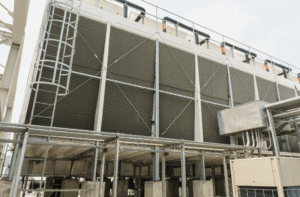
- Cooling towers, where warm temperatures and open exposure promote microbial growth
- Boiler systems, where contamination can impact efficiency and integrity
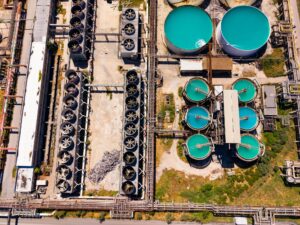
- Wastewater treatment systems, where biological activity must be carefully managed
- Systems involving air supply, where aerosols can carry microorganisms
In these environments, microorganisms can colonize surfaces, circulate through the system, and even settle on inanimate objects, creating additional pathways for contamination.
Risk and Public Health Considerations
Certain waterborne microbes are classified as potential pathogens, meaning they can pose risks to human health under the right conditions. If not properly controlled, these organisms can contribute to outbreaks and compromise public health.
This is particularly important in systems that interface with:
- Occupied buildings
- Process water used in production
- Equipment similar to medical devices, where contamination standards are higher
Effective microbial management helps prevent disease by reducing exposure risks and maintaining safer operating conditions.
By understanding where risks exist and how microorganisms behave in different systems, operators can implement more targeted strategies that protect both equipment and human health.
How ETI Supports Effective Microbial Control
Achieving consistent and reliable microbial control requires more than selecting the right products. It requires a combination of technical understanding, application expertise, and ongoing support. For independent water treatment professionals, having access to both high-quality antimicrobial treatment options and experienced guidance can significantly improve outcomes across a wide range of systems.
Eastern Technologies, Inc. (ETI) was built to serve as a support system for water treatment providers. As a non-competing, partner-first organization, ETI enables distributors and service companies to deliver stronger programs without competing for their end customers. This model allows partners to focus on service and growth while leveraging ETI’s technical and operational capabilities.
What ETI Provides
ETI supports effective microbial management through a combination of products and expertise:
- A broad portfolio of antimicrobial chemicals, including oxidizing and non-oxidizing biocides
- More than 35 biocide chemistries to support flexible chemical control strategies
- Custom formulation capabilities tailored to specific system conditions
- Technical support backed by over 95 years of combined industry experience
- Assistance with regulatory compliance and EPA-related requirements
This level of support allows partners to implement more precise and effective microbial control programs, adapting treatment approaches based on system demands and performance data.
Beyond products, ETI provides confidence. With reliable manufacturing, consistent quality, and a commitment to doing things right the first time, partners can depend on ETI as an extension of their own team.
Explore ETI’s water treatment solutions, contact us today.