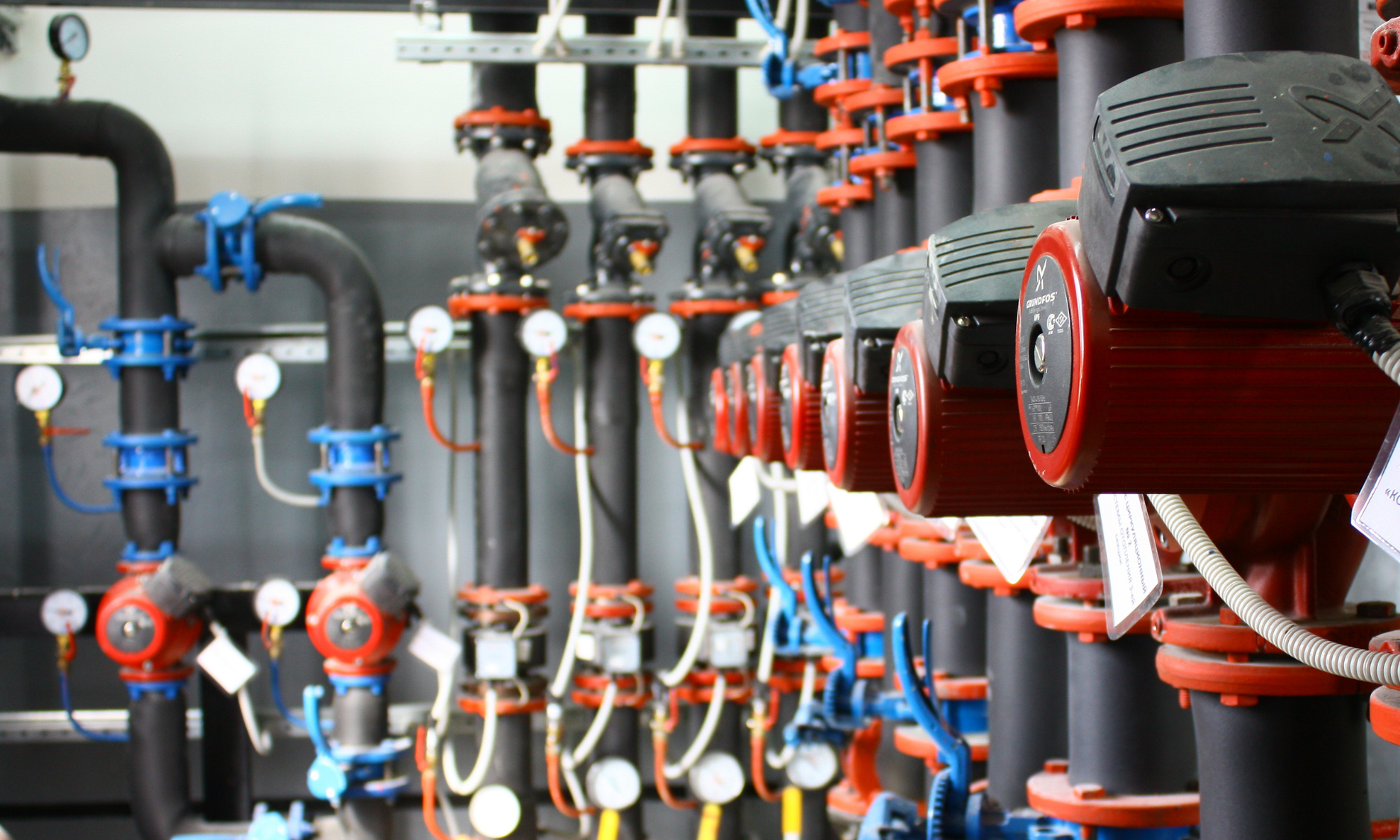
Chemical dosing plays a critical role in modern water treatment, ensuring that the right chemicals are delivered into a system at the correct concentration and timing. Whether in industrial facilities or drinking water applications, maintaining proper water quality depends on a controlled and consistent dosing process.
Effective dosing systems help regulate parameters such as pH, corrosion, and microbial activity. Without precise control, issues like scaling, inefficient chemical use, or system damage can occur. As industries continue to demand higher efficiency and compliance, the need for reliable chemical dosing systems has become essential to achieving stable and predictable treatment outcomes.
What Are Chemical Dosing Systems?
Chemical dosing systems are integrated setups designed to store, meter, and deliver precise amounts of chemicals into a process stream to maintain desired treatment conditions. In water treatment, these systems ensure that chemical dosing is controlled, consistent, and aligned with system requirements, helping operators maintain water quality and system performance.
A typical dosing system operates by introducing a chemical liquid into a flowing system using calibrated equipment. This allows treatment programs to function effectively without overfeeding or underfeeding chemicals.
Core components of a chemical dosing system include:
- Pumps that control the flow rate of chemicals into the system
- Storage units that safely contain treatment chemicals
- Control systems that regulate dosing based on set parameters
- Injection points where chemicals enter the process stream
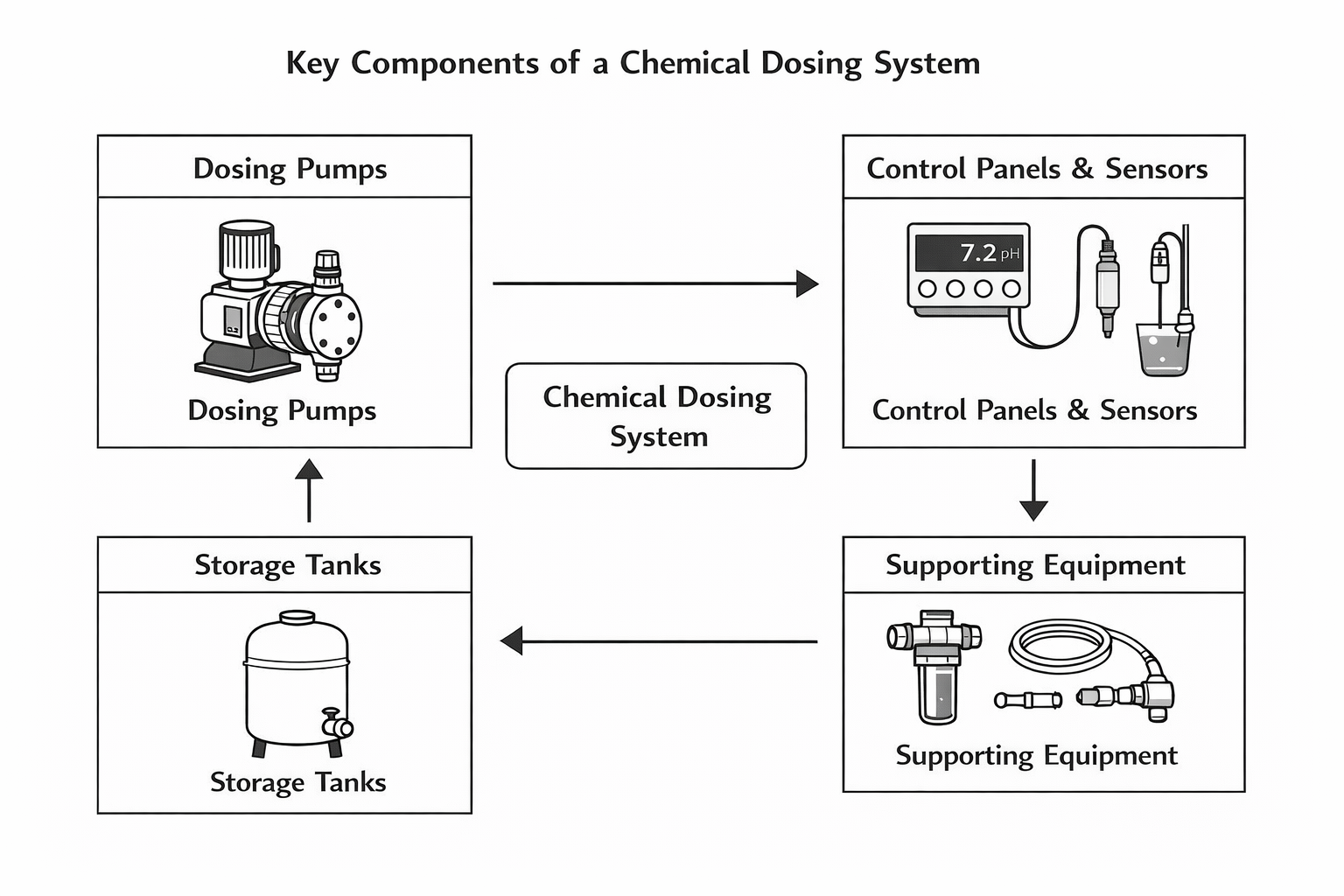
Key Components of a Chemical Dosing System
Dosing Pumps
Dosing pumps, also known as chemical dosing pumps or metering pumps, are responsible for delivering precise volumes of chemicals into the system. The right pump selection depends on factors such as flow rate, pressure, and the nature of the chemical being used. Accurate pump performance is essential for maintaining consistent dosing.
Storage Tanks
Storage tanks, including chemical storage tanks, are used to safely hold chemicals before they are introduced into the system. These tanks must be constructed from materials compatible with corrosive substances such as acids or chlorine. Proper tank design supports safe chemical handling and reduces risks.
Control Panels and Sensors
Control panels manage the dosing process by regulating when and how much chemical is injected. Sensors monitor key parameters such as pH, flow, and water quality, allowing the system to adjust dosing automatically. This level of control improves accuracy and system efficiency.
Supporting Equipment
Additional components such as filters, tubing, and injection fittings support system performance. These elements ensure smooth delivery of chemical fluids and help protect equipment from clogging or mechanical wear, contributing to overall reliability.
Types of Chemical Dosing Methods
Different dosing methods are used depending on system requirements, process conditions, and desired levels of control. Selecting the right dosing process is essential to achieve accurate dosing and maintain consistent treatment performance.
- Manual Dosing
Chemicals are added manually at set intervals. This method is simple but lacks precision and can lead to inconsistent results. - Timed Dosing
Chemicals are injected at scheduled intervals using control panels. This approach is commonly used but does not account for real-time changes in the system. - Flow-Based Dosing
Dosing is adjusted based on the flow rate of the system, often measured using flow meters. This ensures that chemical addition matches system demand more closely. - Sensor-Based Dosing
Advanced systems use sensors to monitor parameters such as pH or conductivity and adjust dosing automatically. This method provides the highest level of control and precision.
| Method | Control Level | Accuracy | Common Use |
|---|---|---|---|
| Manual | Low | Low | Small or simple systems |
| Timed | Moderate | Moderate | Routine dosing applications |
| Flow-Based | High | High | Variable flow systems |
| Sensor-Based | Very High | Very High | Critical water quality control |
Applications in Water and Wastewater Treatment
Chemical dosing systems are widely used across industries to maintain water quality, improve efficiency, and meet regulatory requirements. From industrial operations to drinking water facilities, these systems support a range of critical dosing applications.
Common applications include:
- Industrial Wastewater Treatment Systems: In wastewater treatment, dosing systems are used to treat chemical waste, remove contaminants, and improve discharge quality. Chemicals such as coagulants, flocculants, and corrosion inhibitors are commonly applied to support compliance and protect equipment.
- Drinking Water Treatment: Chemical dosing is essential for disinfection and maintaining safe water quality. Chlorine is widely used to control microbial activity, ensuring water is safe for consumption.
- pH Neutralization and Correction: Dosing systems are used for pH neutralization and pH correction by introducing acids or alkaline chemicals. This helps maintain proper balance and prevents damage to systems and infrastructure.
- Cooling and Boiler Systems: In industrial systems, chemical dosing helps control corrosion, scaling, and biological growth. Maintaining proper chemical balance improves performance and extends equipment life.
Benefits and Operational Advantages
Chemical dosing systems provide several advantages that improve overall system performance and operational efficiency in water treatment processes.
- Improved Efficiency: Automated dosing systems ensure chemicals are delivered only when needed, reducing waste and making operations more efficient.
- Accurate Dosing and Reduced Waste: Precise control allows for accurate dosing, minimizing overfeeding or underfeeding of chemicals and optimizing usage.
- Reliability and Consistency: Well-designed systems deliver consistent results, helping maintain stable water quality and reducing variability in treatment performance.
- Protection Against Corrosion and Scaling: Proper dosing helps protect equipment and infrastructure from corrosion and buildup, extending system lifespan and reducing maintenance needs.
- Better System Balance: Maintaining the correct chemical balance supports smoother operation across the entire treatment process.
Common Challenges and Considerations
While chemical dosing systems offer significant advantages, several factors must be carefully managed to ensure safe and effective operation.
- Chemical Compatibility and Handling
Many treatment chemicals are corrosive, requiring proper material selection for tanks, pumps, and tubing. Safe chemical handling practices are essential to reduce risks and protect personnel. - Shear Sensitive Chemicals
Some chemicals, such as certain polymers, are shear sensitive and can degrade if handled improperly. Selecting the right pump type is critical to maintaining chemical integrity. - Incorrect Pump Selection
Choosing the right pump involves evaluating flow rate, pressure, and chemical properties. An improperly sized pump can lead to inaccurate dosing and poor system performance. - Installation and Maintenance Issues
Poor installation can affect system accuracy and reliability. Regular maintenance is necessary to prevent equipment failure and ensure consistent operation. - Safety Risks
Improper system design or operation can create safety hazards. Proper training, system design, and monitoring help minimize these risks and ensure compliance.
How ETI Supports Water Treatment Professionals
Effective chemical dosing requires more than just equipment. It depends on selecting the right chemicals, configuring the system properly, and maintaining reliable operation over time. This is where ETI plays a critical role in supporting water treatment professionals.
As a non-competing partner, ETI works behind the scenes to help distributors and service providers deliver effective dosing system solutions. Their focus is on enabling partners with the tools, products, and expertise needed to succeed in a wide range of water treatment applications.
ETI supports dosing system success through:
- Comprehensive product access across cooling, boiler, wastewater, and specialty treatment chemicals
- Technical expertise that helps optimize chemical dosing, system setup, and performance
- Custom solutions tailored to specific dosing applications and operational needs
- Operational reliability through consistent supply, quality assurance, and dependable service
By combining chemistry knowledge with practical support, ETI helps ensure that dosing systems operate efficiently, accurately, and reliably in real-world conditions.
Contact ETI to help strengthen your dosing programs and system performance.