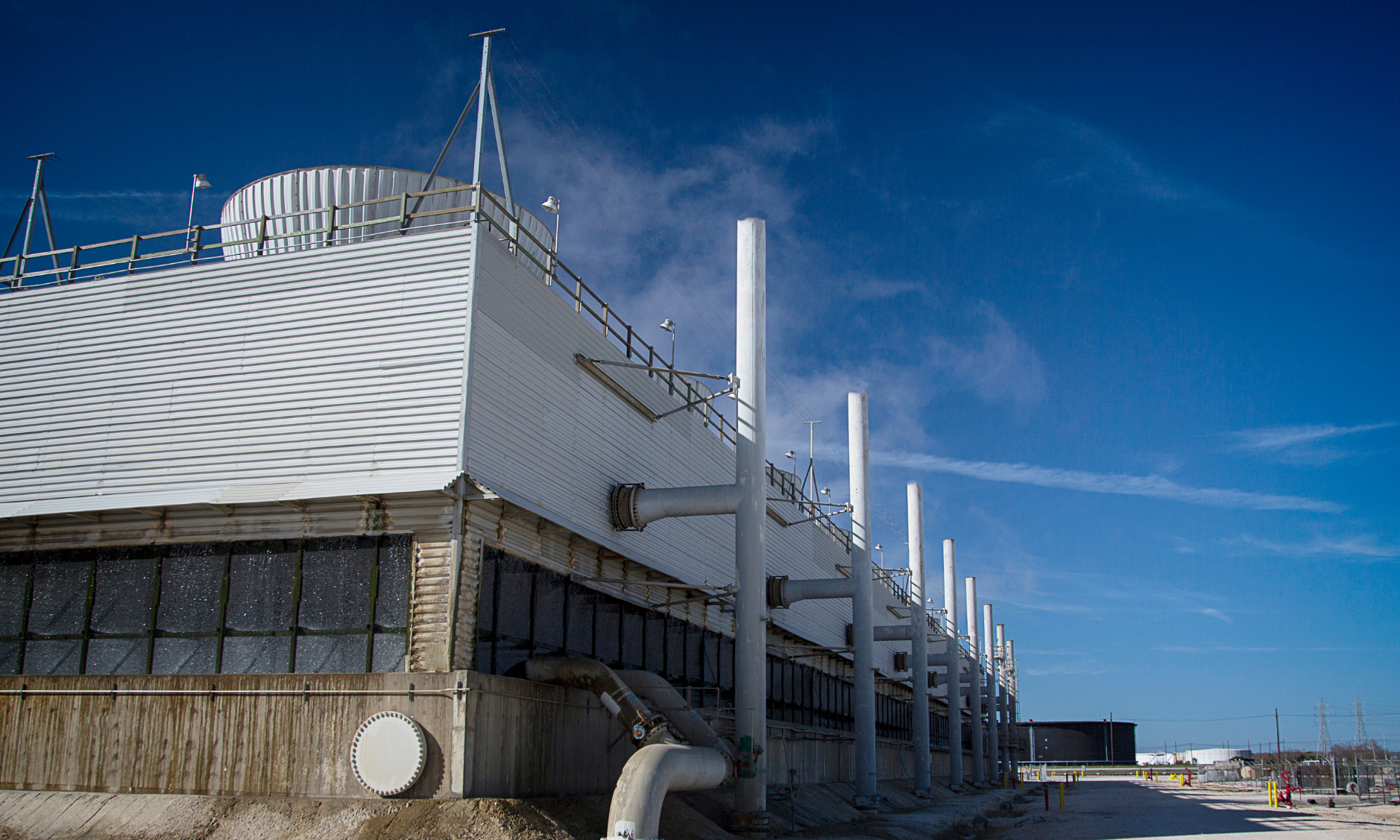
Water is one of the most critical yet strained resources in modern industry. Across industrial settings, growing pressure from water scarcity, regulatory requirements, and climate change is forcing organizations to rethink how they manage water resources. Companies are no longer focused solely on maintaining system performance, they are now expected to operate with sustainability and resource conservation in mind while minimizing environmental impact.
This shift has accelerated the need for sustainable water treatment strategies that go beyond conventional methods. Businesses must now balance operational efficiency with responsible water use, ensuring that systems support long-term availability of this precious resource. As industries look for smarter ways to manage water sustainably, the focus is increasingly on integrated solutions that improve efficiency, reduce waste, and protect both operations and the environment.
Why Sustainable Water Treatment Matters in Industry
As industries evolve, the importance of aligning operations with sustainability goals continues to grow. Water treatment is no longer an isolated function, it is directly tied to energy use, regulatory compliance, and long-term business performance. Adopting sustainable water treatment practices helps organizations address both environmental and operational challenges effectively.
Environmental Responsibility
Industrial water use has a direct impact on the environment, particularly when wastewater and untreated discharge affect surrounding ecosystems. Reducing environmental footprint through better water management supports sustainability goals and helps preserve water resources for future generations. Treating water sustainably also plays a role in addressing climate change by minimizing pollution and conserving natural systems.
Operational Efficiency
Water and energy are closely linked. Inefficient systems increase energy consumption, which raises costs and expands a facility’s carbon footprint. Improving energy efficiency through optimized water treatment processes allows facilities to operate more reliably while reducing overall energy use. This is especially important in industries where large volumes of water are processed daily.
Regulatory Compliance
Meeting environmental regulations is a major challenge for many industries. Stricter discharge limits and reporting requirements demand more precise control over water quality. Sustainable approaches help facilities stay compliant while maintaining performance, reducing the risk of penalties or operational disruptions.
Core Components of Sustainable Water Treatment Systems
Sustainable performance starts with how water treatment systems are designed, controlled, and maintained. A well-optimized water treatment process ensures that water quality targets are met while minimizing waste, energy use, and excess chemical input. Modern water treatment methods focus on precision, efficiency, and adaptability across industrial applications.
Key components that define effective and sustainable treatment include:
- Optimized Chemical Treatment: Careful selection and dosing of chemical treatment programs help control scaling, corrosion, and microbial growth while achieving reduced chemical consumption. This improves system efficiency and limits environmental impact without compromising performance.
- Automated Chemical Feed Systems: Automated chemical feed systems enable precise dosing based on real-time conditions. This reduces overfeeding, improves consistency, and supports cost effective operations in complex water treatment systems.
- Process Monitoring and Control: Continuous monitoring of key parameters such as pH, conductivity, and biological activity ensures stable operation. Better control leads to improved water quality and more efficient purification techniques across industrial systems.
- Energy Efficient Technologies: Integrating energy efficient technologies into treatment systems reduces the energy consumed during operation. Efficient pumps, controls, and system design contribute to overall energy efficiency and long-term sustainability.
Together, these components form the foundation of sustainable water treatment systems that are both operationally reliable and environmentally responsible.
Key Technologies Driving Sustainable Water Treatment
Advancements in sustainable water treatment technologies are enabling industries to move beyond conventional methods and adopt more efficient, adaptable solutions. These innovative technologies are designed to improve treatment performance while reducing environmental impact, energy use, and chemical dependency across a wide range of applications.
| Technology Type | Application and Benefit |
|---|---|
| Advanced Oxidation Processes | Highly effective for breaking down complex contaminants, including organic compounds and bacterial contamination, improving overall water purification |
| Natural Systems (e.g., constructed wetlands) | Use natural filtration and biological activity to treat water with minimal energy input, supporting environmentally friendly treatment approaches |
| Conventional Methods | Widely used but often require higher chemical input and energy use, making them less efficient compared to newer treatment technologies |
| Renewable Energy Integration | Incorporates renewable energy sources such as solar to reduce reliance on traditional power and lower overall energy consumption |
While conventional methods still play a role in many water treatment plants, the growing interest in hybrid and advanced solutions reflects a shift toward more sustainable practices. By combining latest technologies with proven systems, industries can improve treatment efficiency, reduce environmental footprint, and better align with long-term sustainability goals.
Water Reuse, Wastewater Treatment, and Circular Systems
One of the most impactful ways to improve sustainability in industrial operations is through effective wastewater treatment and water reuse strategies. Instead of treating water as a single-use resource, many industries are shifting toward a sustainable water cycle that emphasizes recovery, reuse, and responsible discharge. This approach is becoming essential in regions facing water scarcity and increasing regulatory pressure.
Modern wastewater treatment plants are designed to handle complex contaminants while enabling water recycling within facilities. By treating wastewater to a level suitable for reuse, industries can significantly reduce freshwater demand and operate more efficiently. This is particularly important in processes that generate high levels of wastewater containing suspended solids, heavy metals, or organic contaminants.
Key benefits of integrating water reuse and recycling systems include:
- Reduced Freshwater Demand: Water reuse minimizes dependence on external water sources, helping conserve limited water resources.
- Improved Wastewater Treatment Efficiency: Advanced treatment processes enhance removal of wastewater contaminants, improving discharge quality and compliance.
- Removal of Suspended Solids and Heavy Metals: Targeted treatment methods improve the separation and removal of difficult pollutants, supporting cleaner water output.
- Support for a Sustainable Water Cycle: Recycling and reuse contribute to a closed-loop system, reducing waste and promoting sustainable water management.
By adopting these practices, industrial facilities can transform wastewater from a liability into a valuable resource, improving both operational performance and environmental outcomes.
Sustainability Benefits for Industrial and Commercial Buildings
For industrial and commercial buildings, adopting sustainable water strategies delivers measurable operational and environmental benefits. Efficient water treatment systems not only improve performance but also support long-term cost savings and regulatory compliance.
Key benefits include:
- Cost Effective Operations: Optimized water treatment reduces waste, lowers chemical usage, and minimizes operational disruptions, making systems more cost effective over time despite initial investment considerations.
- Reduced Energy Consumption: Efficient systems lower the overall energy consumed in water treatment processes, contributing to improved energy efficiency and reduced operational costs.
- Improved Water Quality: Consistent treatment helps maintain high water quality, ensuring systems operate reliably while reducing risks such as scaling, corrosion, and bacterial contamination.
- Protection of Human Health: Proper water treatment supports safe conditions in facilities by reducing exposure to harmful contaminants, which is especially important in commercial buildings and shared environments.
- Lower Environmental Footprint: Sustainable practices reduce the environmental footprint of operations by conserving water, minimizing discharge impacts, and supporting environmentally friendly initiatives.
These benefits demonstrate how sustainable water treatment supports both performance and responsibility across industrial and commercial applications.
ETI’s Role in Supporting Sustainable Water Treatment Solutions
Delivering effective sustainable water treatment solutions requires more than access to products. It requires the right expertise, flexibility, and support system behind the water treatment professional. Eastern Technologies, Inc. (ETI) operates with a partner-first model, supporting distributors, OEMs, and service providers without competing with them.
ETI helps professionals implement reliable and environmentally responsible services across a wide range of water treatment applications. Their approach is built on technical depth, product breadth, and a commitment to helping partners succeed in complex industrial environments.
Key ways ETI supports sustainable outcomes include:
- Broad Treatment Technologies: ETI offers a comprehensive portfolio covering cooling tower, boiler, wastewater, and specialty systems, allowing partners to apply the right treatment technologies for each application.
- Experienced Professionals: With a strong technical team, ETI provides guidance on system optimization, regulatory considerations, and performance improvements across industrial systems.
- Custom Solutions and Flexibility: From custom chemical formulations to flexible packaging, ETI enables tailored solutions that improve efficiency and reduce unnecessary waste.
- Reliable Systems and Support: Consistent supply, quality assurance, and technical backing ensure that water treatment systems perform as intended, supporting long-term sustainability.
By focusing on partnership rather than competition, ETI serves as a dependable support system behind water treatment professionals, helping them deliver effective and sustainable results.
To learn more about how ETI supports your water treatment programs, visit our website or connect with our team for additional information.
Frequently Asked Questions (FAQs)
How do water treatment plants support sustainability?
Water treatment plants play a critical role in providing clean water by treating surface water and wastewater to meet standards for potable water and drinking water. By improving efficiency and enabling reuse, they help conserve water resources and support sustainable water management.
What are the most sustainable water treatment methods today?
Sustainable approaches include advanced treatment technologies that reduce chemical use and energy consumption compared to conventional methods. These methods focus on improving efficiency while maintaining high water quality across different applications.
How does water treatment reduce environmental impact?
Effective water treatment helps purify water by removing contaminants such as suspended solids, heavy metals, and bacterial contamination before discharge. This reduces environmental impact and protects surrounding ecosystems and human health.
What challenges affect the widespread adoption of sustainable water treatment?
One major challenge is the initial investment required to implement advanced systems and upgrade existing infrastructure. However, growing interest across many industries is driving wider adoption as long-term benefits outweigh upfront costs.