Water disinfection remains one of the most critical processes in both recreational and industrial systems. From swimming pools and spas to cooling towers and process water loops, maintaining microbiological control protects people, equipment, and overall system performance. Among the available oxidizing biocides, stabilized chlorine plays an important role when consistent residual control and resistance to environmental degradation are required.
Chlorine has been used for more than a century because it is effective, economical, and adaptable across applications. However, not all chlorine behaves the same way once introduced into water. Factors such as sunlight exposure, organic loading, and system design influence how long a disinfectant remains active. Understanding how stabilized chlorine works, and where it offers advantages, helps operators design a program that maintains performance while supporting long-term reliability.
Understanding Chlorine Chemistry in Water Systems
Chlorine disinfects water by forming hypochlorous acid when added to solution. This active form penetrates the cell walls of bacteria and disrupts essential metabolic functions. It is also highly effective at controlling algae growth and oxidizing organic contaminants. Because of this strong oxidation potential, chlorine remains one of the most widely used disinfectants in the world.
For chlorine to remain effective, operators must maintain an appropriate residual level, typically measured in ppm. Too low a level can allow bacteria to survive and multiply; too high a level may increase corrosion risk or create unnecessary chemical demand. In many systems, especially those exposed to sunlight or high organic load, chlorine can dissipate quickly, requiring quick doses to restore control.
What Affects Chlorine Performance in Water
Several factors influence how well chlorine performs:
- pH level, which determines how much active disinfectant is present
- Organic load, which increases chlorine demand
- Contact time, which affects kill rate and overall effectiveness
- Temperature, which can accelerate reaction rates
- Dosage strategy, including how frequently a dose is applied
Proper monitoring and adjustment help maintain consistent protection while minimizing waste. Understanding these fundamentals sets the stage for evaluating stabilized and unstabilized chlorine options.
Stabilized and Unstabilized Chlorine: Key Differences
When discussing stabilized and unstabilized chlorine, it is important to recognize that both serve the same primary purpose, disinfection. The difference lies in how they behave once introduced into water, particularly when exposed to sunlight.
Unstabilized chlorine, such as liquid sodium hypochlorite or calcium hypochlorite without additives, begins working immediately. However, in outdoor environments, the sun’s UV rays can degrade free chlorine quickly. In some swimming pools, a significant portion of chlorine residual can be lost within a single day of strong sun exposure.
Stabilized chlorine, by contrast, contains or is used with a chlorine stabilizer, most commonly cyanuric acid. When cyanuric acid is added to pool water, it forms a weak bond with chlorine that reduces the impact of UV degradation. As a result, a measurable disinfectant residual can remain active longer, improving overall effectiveness in outdoor conditions.
Comparison of the Two Types
| Factor | Stabilized Chlorine | Unstabilized Chlorine |
|---|---|---|
| UV Resistance | Protected from sun’s UV rays | Degrades quickly in sun |
| Role of Cyanuric Acid | Cyanuric acid added as stabilizer | No stabilizer present |
| Residual Duration | Can remain active longer | Drops quickly outdoors |
| Best Use Case | Outdoor pool applications | Indoor pools, controlled systems |
| Primary Downside | High cyanuric acid levels can reduce activity | Requires more frequent dosing |
While stabilization improves longevity, there is a downside if cyanuric acid levels become too high. Excessive stabilizer level can slow chlorine’s kill speed and reduce responsiveness to contamination events. This is why monitoring CYA concentration is critical. The ideal choice depends on the specific situation, including sunlight exposure, system turnover, and target performance goals.
Application Spotlight: Pools, Spas, and Seasonal Demands
Disinfection strategies vary significantly between outdoor swimming pools, indoor pools, and spas. Sunlight exposure, bather load, and seasonal demand all influence chlorine performance and stabilizer management.
Outdoor Swimming Pools in Summer
During the summer season, chlorine demand often increases due to higher temperatures, heavier use, and continuous exposure to the sun. In this environment, stabilized chlorine can help maintain a measurable residual despite degradation from UV exposure.
Operators should:
- Check pool water chemistry at least once per week, more often during peak use
- Monitor cyanuric acid levels to confirm the stabilizer level remains within recommended range
- Add chlorine in controlled amounts rather than overcorrecting
- Use shock treatments strategically to restore water clarity and control algae
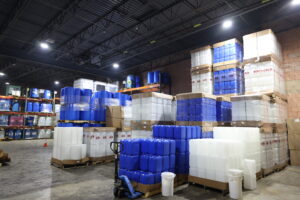
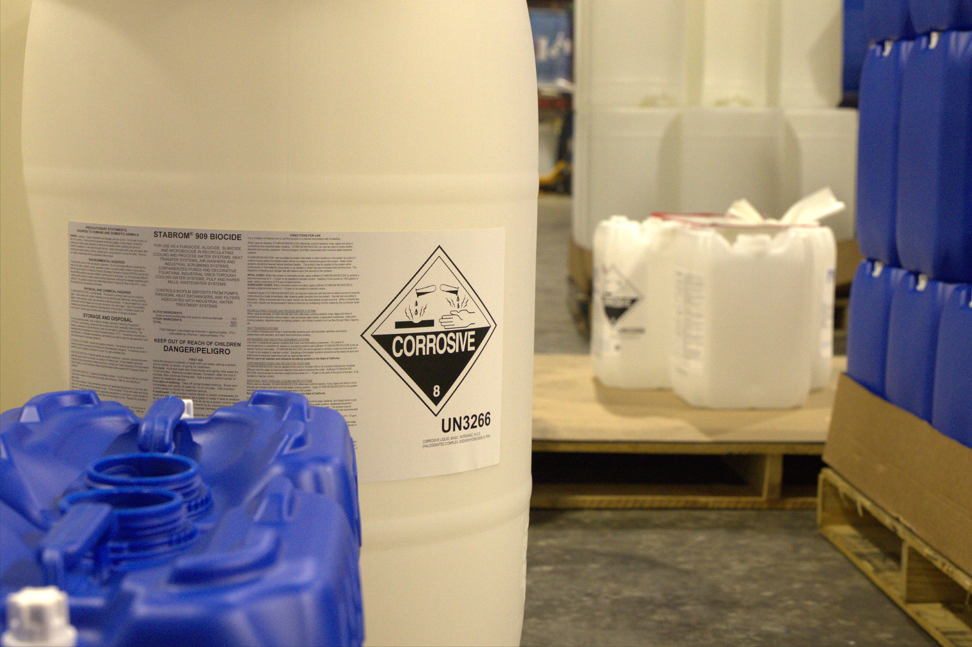
Many facilities store chlorine products in a bucket or sealed container for convenience, but proper storage conditions are essential to maintain product integrity and reduce safety concerns.
Indoor Pools and Spas
Indoor pools and spas are not exposed to direct sunlight, so UV degradation is less of a worry. In these settings, unstabilized chlorine may be sufficient because there is no need for UV protection. However, operators must still check levels daily to ensure bacteria control and clean water quality.
Being aware of stabilizer accumulation is important in all systems. Whether indoors or outdoors, consistent testing and balanced adjustments help avoid unintended water chemistry issues.
Industrial and Commercial Water Applications
While stabilized products are often discussed in the context of pools, stabilized chlorine can also be relevant in commercial and industrial water programs where a consistent oxidizing residual supports microbiological control. In these environments, the goal is not only to keep water clean, but also to protect equipment, reduce operational risk, and limit biofouling that can block heat transfer surfaces or restrict flow.
Industrial systems frequently face variable demand due to changing process conditions, intermittent operation, or fluctuating organic load. When disinfectant demand rises unexpectedly, chlorine residual can drop quickly and control may be lost. A properly designed program helps ensure oxidizing capacity can remain available longer, supporting a more stable treatment process over time.
Where Stabilized Chlorine Is Commonly Applied
Common use cases include:
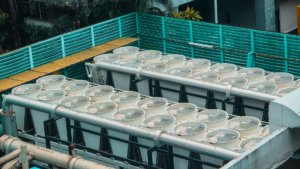
- Open recirculating cooling systems where biological growth can impact performance
- Process water loops where microbial control supports product quality or operational reliability
- Wastewater applications for pathogen reduction, odor control, or effluent polishing
- Storage tanks or reuse systems where retention time and residual stability matter
- Pretreatment applications where upstream disinfection reduces downstream risk
As with any oxidizer, effectiveness depends on dosage, monitoring frequency, and the broader chemical program. The key point is that stabilization can reduce residual loss in certain conditions, which can improve control and lower overall variability.
Industrial and Commercial Water Applications
While stabilized products are often discussed in the context of pools, stabilized chlorine can also be relevant in commercial and industrial water programs where a consistent oxidizing residual supports microbiological control. In these environments, the goal is not only to keep water clean, but also to protect equipment, reduce operational risk, and limit biofouling that can block heat transfer surfaces or restrict flow.
Industrial systems frequently face variable demand due to changing process conditions, intermittent operation, or fluctuating organic load. When disinfectant demand rises unexpectedly, chlorine residual can drop quickly and control may be lost. A properly designed program helps ensure oxidizing capacity can remain available longer, supporting a more stable treatment process over time.
Where Stabilized Chlorine Is Commonly Applied
Common use cases include:
- Open recirculating cooling systems where biological growth can impact performance
- Process water loops where microbial control supports product quality or operational reliability
- Wastewater applications for pathogen reduction, odor control, or effluent polishing
- Storage tanks or reuse systems where retention time and residual stability matter
- Pretreatment applications where upstream disinfection reduces downstream risk
As with any oxidizer, effectiveness depends on dosage, monitoring frequency, and the broader chemical program. The key point is that stabilization can reduce residual loss in certain conditions, which can improve control and lower overall variability.
Also read: Why Bromine Is the Most Versatile Biocide for Water Treatment
Choosing the Right Product and Dosage Strategy
Selecting the ideal chlorine product and dosing plan is not a one size fits all decision. The right choice depends on system design, exposure conditions, and performance targets. Whether managing a pool, a process loop, or another water system, operators benefit from a structured approach.
A Practical Selection Checklist
- Define your objective. Determine the target residual level in ppm and the primary goal, such as algae prevention, bacteria control, or oxidation of organic load.
- Evaluate environmental exposure. If the system is exposed to sunlight, a stabilizer may be necessary. In enclosed systems, unstabilized chlorine may be sufficient.
- Check existing cyanuric acid levels. If CYA is already present, confirm that levels are not too high before adding more stabilized product.
- Establish dosage and monitoring frequency. Decide whether continuous feed or periodic dose adjustments are appropriate for the situation.
- Review performance regularly. Adjust based on testing data, seasonal changes, and system response.
Taking time to understand system demand can prevent overfeeding, protect surfaces, and help save money over the long term. Thoughtful program design reduces waste, improves consistency, and ensures that each dose delivers measurable value.
Also read: Cooling Tower Biocides: Selection & Best Practices
How ETI Supports Water Treatment Professionals

For water treatment companies evaluating oxidizing biocide strategies, product selection is only one part of the equation. Successful programs depend on technical understanding, proper application, and reliable supply. That is where Eastern Technologies, Inc. provides value to its partners.
As a 38+ year manufacturer dedicated to supporting independent water treatment professionals, ETI operates under a non-compete, partner-first model. The company does not sell direct to end users. Instead, it equips distributors and service providers with the tools they need to succeed in a competitive world.
ETI supports chlorine and stabilized chlorine programs through:
- A broad portfolio of oxidizing and non-oxidizing biocides
- Custom formulation capabilities tailored to specific applications
- ISO 9001:2015 certified manufacturing processes
- Recognition as the 2023 AWT Supplier of the Year
- Technical support to help answer performance, dosage, or regulatory questions
Whether you are evaluating a new application or optimizing an existing program, ETI’s technical team is available to help you assess your situation and determine the right approach. Visit our website to explore available solutions, or contact ETI directly to discuss your specific water treatment goals with our team.