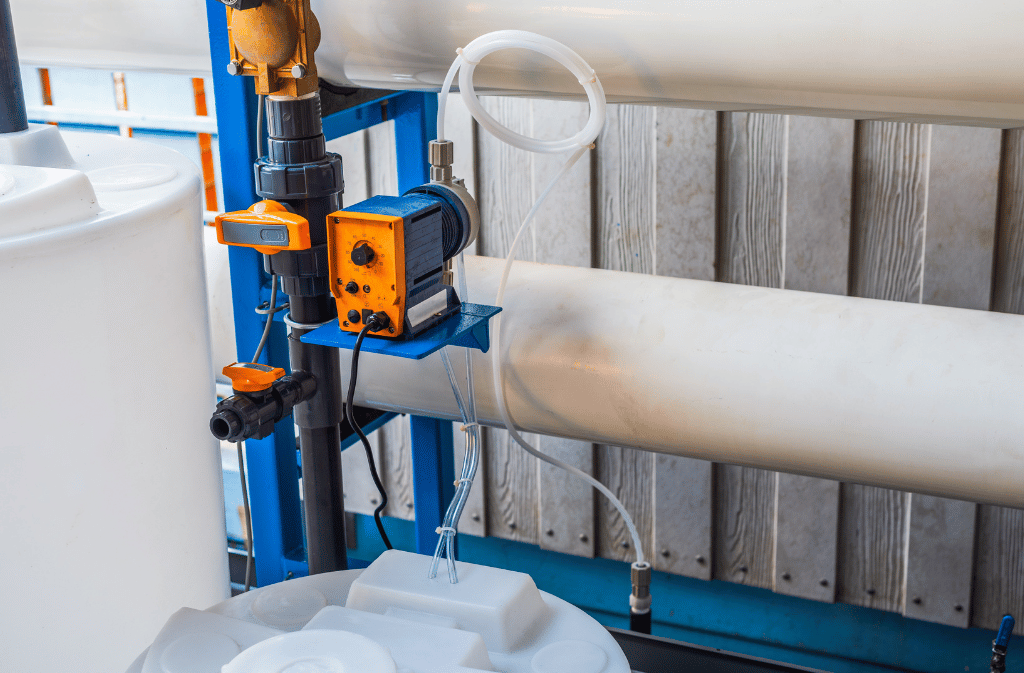
Maintaining the performance of reverse osmosis (RO) membranes requires more than routine operation and preventive treatment. As deposits build on membrane surfaces, water output can decline, pressure requirements may increase, and operating costs can rise. Effective chemical cleaning helps address these challenges and recover membrane productivity.
Selecting membrane cleaning chemicals for RO systems requires careful consideration of foulant characteristics, membrane compatibility, and cleaning conditions. Understanding how to diagnose performance issues, apply appropriate cleaning solutions, and evaluate treatment results enables water treatment professionals to develop more effective corrective maintenance programs.
Key Takeaways
- Accurate foulant identification supports effective membrane cleaning chemical selection.
- Proper cleaning chemistry, circulation, and operating conditions help protect membrane integrity.
- Post-cleaning performance monitoring helps evaluate treatment effectiveness and identify recurring issues.
- ETI supports water treatment professionals with membrane cleaners, laboratory analysis, and technical troubleshooting.
Diagnosing RO Membrane Fouling Before Cleaning
Identifying the cause of declining membrane performance is essential before selecting a cleaning solution. Deposits such as mineral scale, suspended solids, and organic matter can accumulate on the membrane surface or within feed channels, producing different operational symptoms.
| Performance Indicator | Potential Underlying Cause |
|---|---|
| Declining normalized flow rate | Deposits restricting membrane permeability |
| Increasing normalized pressure drop | Feed channel obstruction or biological fouling |
| Increasing salt passage | Membrane damage, fouling, or sealing issues |
| Declining water output | Organic fouling, mineral deposits, or changing operating conditions |
These indicators provide diagnostic clues but do not independently confirm the type of foulant. Feed water analysis, historical operating data, and laboratory deposit analysis help professionals identify underlying problems and determine whether chemical cleaning is appropriate.
Selecting Membrane Cleaning Chemicals for RO Systems
The effectiveness of a reverse osmosis membrane cleaner depends on its suitability for the deposits present. Selecting inappropriate chemistry can leave residual contaminants, increase cleaning frequency, and expose membrane materials to unnecessary chemical stress.
Acidic Cleaners for Mineral Deposits
Low pH cleaning primarily targets acid-soluble mineral deposits, such as calcium carbonate and certain metal oxides. An acid cleaner containing citric acid, for example, may help dissolve susceptible deposits. However, resistant mineral scales may require specialized cleaning formulations, making deposit identification essential before acid cleaning.
Alkaline Cleaners for Organic and Biological Deposits
Alkaline membrane cleaners use high pH conditions to loosen and disperse organic foulants. Formulations may contain sodium hydroxide, surfactants, or other components that assist in removing biological or organic foulants from the membrane surface.
When multiple deposit types are present, sequential acidic and alkaline cleaning may be necessary. The cleaning sequence should reflect foulant composition, chemical compatibility, and membrane manufacturer recommendations.
Essential Considerations for RO Membrane Cleaning
Clean-in-place (CIP) is a chemical cleaning method that circulates cleaning solutions through installed membrane elements without removing them from the pressure vessel. Several application factors influence the effectiveness of this process:
- Cleaning solution pH and concentration: Maintain appropriate chemical conditions for targeted foulant removal without compromising membrane integrity.
- Flow velocity: Ensure sufficient surface scouring to dislodge deposits while remaining within manufacturer-specified hydraulic limits.
- Temperature and contact time: Maintain suitable conditions to support chemical effectiveness and deposit removal.
- Stage configuration: First stage and second stage membrane elements may require separate cleaning to address different fouling characteristics and prevent contaminant transfer.
- Solution replacement and rinsing: Introduce a new cleaning solution when the existing solution becomes depleted or heavily contaminated, and rinse thoroughly before resuming normal operation.
Proper application of CIP chemicals helps improve cleaning effectiveness while minimizing the risk of membrane damage. All operating parameters should follow membrane manufacturer specifications and product-specific application guidelines.
Evaluating the Effectiveness of Membrane Cleaning
The effectiveness of membrane cleaning chemicals for RO systems can be assessed by comparing normalized operating data before and after treatment. Successful cleaning should help recover the required product flow, reduce differential pressure, and maintain acceptable salt rejection and product water quality.
Limited performance recovery or rapid deterioration after cleaning may indicate resistant deposits, permanent membrane damage, or unresolved pretreatment issues. When properly implemented, chemical cleaning can contribute to prolonging membrane life, reducing energy requirements, and lowering maintenance costs by restoring permeability and reducing strain on pumps and other components.
How ETI Supports Effective RO Membrane Cleaning Programs
At Eastern Technologies, Inc. (ETI), we supply membrane cleaning chemicals for RO systems to help water treatment professionals address fouling challenges and recover membrane performance.
Our laboratory services include feed water analysis and deposit analysis, helping our partners identify contaminants and make informed cleaning chemical selections. We also provide technical application support and troubleshooting assistance to address persistent fouling, ineffective cleaning cycles, and challenging operating conditions.
As an ISO 9001:2015-certified manufacturer, we support independent water treatment companies, distributors, and OEMs with dependable chemical supply and technical expertise. Our non-competing business model allows our partners to strengthen their service capabilities while maintaining ownership of their customer relationships.
Contact ETI Water today for membrane cleaning solutions and technical guidance that help your business deliver reliable RO system performance.
Frequently Asked Questions (FAQs)
Can Excessive Cleaning Flow Damage RO Membranes?
Exceeding the maximum flow velocity or allowable pressure drop can damage membrane elements and potentially cause membrane telescoping. Cleaning circulation should remain within manufacturer-specified hydraulic limits.
Should RO Membrane Stages Be Cleaned Separately?
First stage membranes and second stage membranes may need to be cleaned individually to prevent contaminants from transferring between stages. Whether stages can be cleaned simultaneously depends on system configuration and manufacturer recommendations.
What Water Should Be Used to Prepare an RO Cleaning Solution?
RO product water is generally preferred for preparing cleaning solutions because of its low contaminant concentration. Untreated feed water may introduce additional minerals that interfere with cleaning effectiveness.
Why Does RO Membrane Performance Decline Shortly After Cleaning?
Recurring fouling may indicate inadequate pretreatment, incomplete deposit removal, or unsuitable cleaning chemistry. Increasing cleaning frequency without addressing the underlying cause may increase operating costs.
Can Chemical Cleaning Help Extend RO Membrane Life?
Regular cleaning, when justified by performance data, can help maintain clean RO membranes and limit persistent deposit accumulation. Appropriate cleaning practices support longer membrane life and potentially reduce replacement costs.