Legionella bacteria are naturally occurring waterborne pathogens that can multiply inside building water systems when conditions allow. When aerosolized through cooling towers, showers, faucets, or decorative features, these bacteria can be inhaled and cause Legionnaires disease, a severe form of pneumonia that presents a significant public health concern. Because modern facilities rely on complex plumbing networks, storage tanks, and recirculation loops, the potential for legionella risk must be proactively managed.
Effective legionella water treatment is not a single product or one-time disinfection event. It is an integrated strategy that considers system design, water temperature, disinfectant residual, and ongoing monitoring across all water systems. From healthcare campuses to commercial properties, understanding how Legionella develops and how to control it is essential to protecting occupants and maintaining regulatory confidence. In the sections that follow, we will explain the science behind Legionella growth and the proven control approaches used in modern water treatment programs.
Understanding Legionella Growth in Water Systems
Legionella growth occurs when environmental conditions inside building water systems support microbial survival and amplification. The bacteria thrive in warm water, typically between 77°F and 113°F, though they can survive outside that range. When water temperature fluctuates in hot water and cold water lines, particularly in large premise plumbing networks, sections of the system may unintentionally fall into this growth range. Over time, microbial growth accelerates in areas where disinfectant levels are low.
Several factors increase the likelihood of colonization within water system components:
- Stagnant water in low-use outlets or oversized storage tanks
- Dead legs or infrequently flushed branches
- Inconsistent disinfectant residual levels
- Biofilm development on pipe materials
- Sediment accumulation and scale buildup
Legionella bacteria do not typically dominate alone. They exist within a broader microbial ecology, interacting with other organisms that can shelter and protect them from disinfectants. Bacterial growth within biofilm can occur across the entire water system, from incoming supply to distal outlets. When contaminated water droplets become aerosolized, the risk of human exposure increases significantly. Understanding these internal dynamics is foundational to designing effective legionella water treatment strategies that address root causes rather than symptoms.
Core Legionella Control Measures
Effective legionella control requires a layered approach that combines chemical, physical, and operational strategies. No single method can reliably control Legionella across all water systems. Instead, successful programs focus on maintaining conditions that prevent legionella growth while minimizing unintended consequences such as corrosion or disinfection byproducts.
Chemical Disinfection Options
Chemical treatment remains a primary component of legionella water treatment programs, particularly in cooling towers and potable water systems.
Common options include:
- Sodium hypochlorite, widely used to maintain disinfectant residual in drinking water distribution systems
- Chlorine dioxide, effective across a broad pH range and often used in large building water systems
- Ozone treatment, applied in certain industrial processes and specialty applications
- Supplemental oxidizers to maintain microbial control in open systems
Maintaining a consistent disinfectant residual throughout the distribution system is critical. However, water quality factors such as organic load, pipe materials, and temperature can influence performance. Careful monitoring helps balance microbial control with the management of disinfection byproducts.
Physical and Supplemental Technologies
In addition to chemical methods, several technologies are used to control legionella growth:
- Ultraviolet light, which inactivates microorganisms at the point of exposure
- Copper silver ionization, also referred to as copper silver systems, used in some healthcare facilities
- Heat treatment, including thermal shock, to temporarily elevate system temperatures
- Filtration at high-risk outlets in sensitive environments
Each method has advantages and operational considerations. For example, ultraviolet light does not provide downstream residual protection, while heat treatment may require coordination with water heaters and hot water tanks to ensure safety.
Operational Essentials
Beyond treatment technologies, effective legionella control measures depend on:
- Monitoring disinfectant levels
- Managing water temperature in hot water and cold water lines
- Routine inspection of cooling towers and other system components
- Rapid corrective action when deviations occur
An integrated legionella water treatment strategy addresses chemical selection, system hydraulics, and operational discipline to minimize risk across the entire water system.
System-Specific Applications
Different parts of a facility present different levels of legionella risk. Control strategies must be tailored to how water moves, is stored, and is used within each environment.
Cooling Towers and HVAC Systems
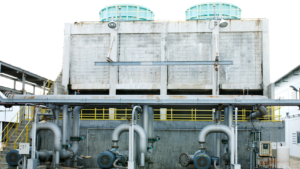
Cooling towers remain one of the most recognized sources of Legionella outbreaks due to their ability to generate aerosolized water droplets. When microbial growth develops within cooling towers, contaminated droplets can be dispersed beyond the immediate site. Proper water treatment, routine inspection, and alignment with guidance from organizations such as the Cooling Technology Institute and air conditioning engineers are essential to control legionella in these open systems. Maintaining biocide programs and monitoring basin conditions are central control measures.
Potable and Hot Water Systems
Domestic potable water and drinking water systems also require careful oversight. Hot water tanks, hot water heaters, thermostatic mixing valves, and storage loops can create areas where water temperature falls into ranges that support bacterial growth. If not properly managed, these areas may allow legionella contamination to persist within the distribution system. Managing water heaters, flushing low-use outlets, and maintaining disinfectant residual are key to controlling risk in premise plumbing.
High-Risk Settings
Healthcare facilities and other health care facilities serving sensitive populations face heightened exposure concerns. In these environments, Legionella can lead to a severe form of pneumonia in vulnerable individuals. Control measures must be especially rigorous, often incorporating secondary disinfection, routine sampling, and targeted protections to minimize risk and protect public health.
Water Management Programs and Regulatory Guidance
Sustainable legionella water treatment depends on structured oversight through a formal water management program. Industry standards such as ASHRAE 188, along with guidance from the Environmental Protection Agency, the World Health Organization, and the broader life sciences community, emphasize systematic risk assessment and documentation. The objective is not only to control legionella growth, but to protect public health through defensible, repeatable processes.
Strong water management plans typically include:
- A comprehensive inventory of building water systems and water system components
- Identification of areas where stagnant water or temperature loss may increase risk
- Clearly defined legionella control measures and monitoring thresholds
- Routine collection and evaluation of water samples
- Corrective actions when control limits are exceeded
- Ongoing verification to ensure the entire water system remains within acceptable parameters
Facilities that align their water management program with drinking water regulations and disease control guidance are better positioned to prevent legionnaires disease and minimize risk over time. Consistent documentation also supports communication with regulatory bodies and internal safety teams.
Supporting Water Treatment Professionals Behind the Scenes

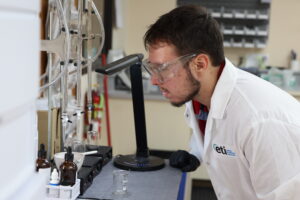
Delivering effective legionella water treatment requires more than selecting a disinfectant. It requires access to the right chemistries, technical insight, regulatory awareness, and dependable manufacturing support. Eastern Technologies, Inc. supports independent water treatment service companies, OEMs, and distributors with comprehensive solutions designed to help control legionella growth across commercial, industrial, and healthcare water systems. ETI does not sell direct to end users. The company exists to strengthen the professionals who serve them.
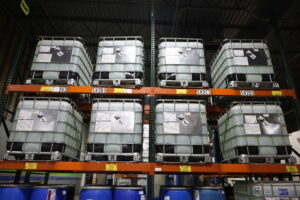
ETI provides a broad portfolio of treatment chemistries that support Legionella prevention and remediation programs, including:
- Oxidizing biocides such as chlorine dioxide, sodium hypochlorite, and bromine-based formulations for rapid microbial reduction
- Non-oxidizing biocides including isothiazolin blends, DBNPA, glutaraldehyde, and THPS
- Shock treatment chemistries for active legionella remediation events
- Biofilm control solutions, including dispersants and surfactant-enhanced formulations
- Cooling and boiler treatment chemicals to manage corrosion, scale, and fouling that contribute to microbial growth
- Potable water treatment solutions, including support for secondary disinfectant systems in collaboration with EAI Water
Beyond chemistry supply, ETI assists its partners with:
- Legionella risk assessments and Water Management Plan development
- Water quality monitoring guidance and data interpretation
- Polymer selection, jar testing, and laboratory support
- Regulatory alignment with ASHRAE 188, EPA guidance, and applicable state or local requirements
Recognized as the 2023 AWT Supplier of the Year and ISO 9001:2015 certified, ETI delivers national-level technical capability with the flexibility and loyalty of a partner. From cooling towers to potable water systems, ETI equips water treatment professionals with the tools and support needed to implement effective legionella control programs while maintaining compliance and operational confidence.
To learn more about ETI’s Legionella treatment solutions or to discuss your program needs, contact ETI.