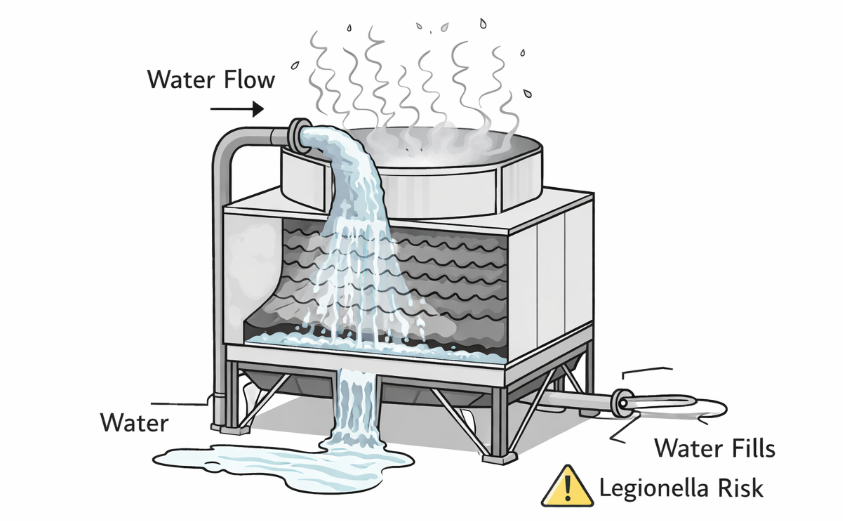
Legionella control is a critical component of managing building water systems, particularly as awareness of waterborne pathogens and public health risks continues to grow. Legionella bacteria occur naturally in freshwater environments, but when conditions allow amplification within engineered systems, they can become a serious health concern. Exposure to contaminated water droplets can lead to Legionnaires disease, a severe form of pneumonia that poses elevated risk to vulnerable populations.
In modern building water systems, including complex plumbing networks and cooling equipment, conditions such as stagnant water, inconsistent water temperature, and inadequate maintenance can contribute to bacterial growth. As a result, controlling Legionella is not simply a matter of applying a disinfectant, but requires a coordinated, program-based approach that addresses system design, operation, and ongoing monitoring.
Understanding Legionella in Water Systems
Legionella bacteria occur naturally in freshwater environments such as lakes and rivers, where they typically exist at low concentrations and do not pose a significant health concern. Problems arise when these bacteria enter engineered building water systems and encounter conditions that allow rapid multiplication. In these environments, legionella growth can accelerate, increasing the likelihood of exposure to harmful levels.
Several factors contribute to bacterial growth within water systems, particularly in areas where water quality and flow are not consistently controlled. Unlike many other waterborne pathogens, Legionella thrives in specific conditions that are common in large or complex systems.
Key conditions that support legionella growth include:
- Warm water environments: Temperatures between approximately 25°C and 45°C create an ideal range for bacterial growth
- Stagnant water or low flow: Areas with limited circulation allow bacteria to multiply, especially in sections with standing water
- Presence of nutrients and biofilm: Organic matter and microbial layers provide protection and a food source
- Aerosolization potential: Systems that generate fine water droplets increase the risk of inhalation exposure
Because Legionella can coexist with other waterborne pathogens, controlling it requires a comprehensive understanding of how these conditions develop and persist within building water systems.
High-Risk Areas in Building Water Systems
Legionella risk is not uniform across all building water systems. Certain components and applications create conditions that increase the likelihood of bacterial amplification and exposure. These areas typically involve warm water, complex plumbing, or the generation of water droplets that can be inhaled by building occupants.
Cooling and Aerosol-Generating Systems
These systems are among the highest-risk environments due to their ability to disperse contaminated water droplets into the air.
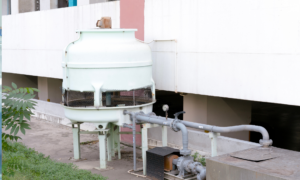
- Cooling towers and cooling tower water systems: Frequently associated with outbreaks due to aerosolization and large water volumes
- Tower water systems: Open recirculating designs can support biofilm and bacterial growth if not properly maintained
- Decorative fountains: Often overlooked, but capable of producing fine mist in public spaces
Potable and Plumbing Systems
Legionella can also proliferate within potable water systems, especially where temperature and flow are not well controlled.
- Hot water tanks and water heaters: Can support legionella growth if temperatures are insufficient
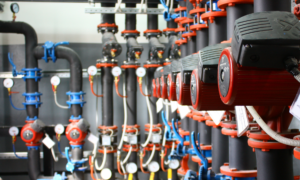
- Water distribution systems: Complex piping networks can create areas of low flow
- Premise plumbing: Internal building plumbing is a common source of colonization
- Dead legs: Sections of piping with little or no flow allow stagnant water to develop
Recreational and Intermittent-Use Systems
Systems with variable use patterns can create ideal conditions for bacterial amplification.
- Hot tubs: Warm temperatures and aeration increase risk, especially if not properly maintained
- Hot tub operator responsibilities: Regular monitoring and disinfection are essential to control legionella growth
- Standing water in intermittently used fixtures: Low-use outlets can become reservoirs for bacteria
Identifying these high-risk areas is a critical step in managing building water systems and implementing effective strategies to prevent Legionella proliferation.
Key Factors That Drive Legionella Growth
Understanding the conditions that support legionella growth is essential for developing effective control strategies. In most cases, outbreaks are not caused by a single failure, but by a combination of environmental and operational factors that allow bacteria to multiply within building water systems.
The following key factors are known to support legionella growth:
- Water temperature: Legionella thrives in warm water, particularly between 25°C and 45°C. Poor temperature control in hot and cold water systems can create ideal conditions for growth
- Hot and cold water imbalance: Inadequate separation between hot water and cold water systems can result in mixed temperature zones that support bacterial survival
- Cold water systems warming: Cold water should remain below recommended thresholds, but heat gain in pipes or storage can allow bacterial growth
- Hot water tanks and water heaters: If hot water is stored or distributed below effective control temperatures, it may not inhibit bacterial growth
- Thermostatic mixing valves: While important for reducing scald risk, these devices can create localized warm water zones that support legionella growth if not properly managed
- Loss of disinfectant residual: Inconsistent or insufficient disinfectant residual reduces the system’s ability to control microbial populations
- Biofilm formation: Biofilm provides protection for Legionella, making it more resistant to treatment and allowing it to persist within the plumbing system
- Stagnant or low-flow conditions: Areas with limited movement, including dead legs and underused outlets, allow bacteria to multiply
These factors often occur together in complex water distribution systems. Without consistent monitoring and proper system operation, they can significantly increase the potential for Legionella amplification and spread.
Core Legionella Control Methods
Effective legionella control requires more than a single treatment approach. Successful programs are designed to control legionella growth across varying system conditions, combining chemical treatment, biofilm management, and consistent application. The goal is to minimize legionella growth while maintaining stable system performance and water quality.
Oxidizing Biocides
Oxidizing biocides are commonly used as a primary method to control legionella in cooling tower water systems and other applications where rapid microbial control is needed.
- Common chemistries: chlorine, sodium hypochlorite, bromine, chlorine dioxide
- Primary function: disrupt cellular structures through oxidation, leading to rapid bacterial inactivation
- Strengths: fast-acting, effective for reducing planktonic bacteria levels, supports disinfectant residual maintenance
- Limitations: reduced effectiveness in the presence of biofilm formation and organic load, may require careful control to maintain consistent residual
These products are often applied continuously or at frequent intervals to maintain baseline microbial control. Check our article on why bromine is the most versatile biocide for water treatment.
Non-Oxidizing Biocides
Non-oxidizing biocides are typically used in combination with oxidizers to improve overall system performance and target biofilm-associated bacteria.
- Common chemistries: isothiazolin blends, glutaraldehyde, DBNPA, THPS
- Primary function: interfere with metabolic processes and cell function
- Strengths: better penetration into biofilm, broader microbial spectrum
- Limitations: slower kill rate compared to oxidizers, require proper dosing strategy and rotation
These chemistries are often applied as periodic treatments to enhance overall control legionella growth within the system.
Program-Based Treatment Approach
A water management program based approach is essential to effectively control legionella in building water systems. Rather than relying on a single product, successful programs integrate multiple strategies:
- Alternating chemistries: combining oxidizing and non-oxidizing biocides to improve overall efficacy
- Maintaining disinfectant residual: ensuring consistent levels throughout distribution systems
- Addressing biofilm formation: using biodispersants or targeted treatments to disrupt protective layers
- System-specific adjustments: tailoring treatment based on system design, load, and operating conditions
Comparison of Biocide Approaches
| Treatment Type | Key Strength | Limitation | Typical Use Case |
|---|---|---|---|
| Oxidizing Biocides | Fast microbial kill | Limited biofilm penetration | Continuous control in tower water systems |
| Non-Oxidizing Biocides | Biofilm penetration, broad control | Slower action, requires rotation | Supplemental or shock treatment |
No single method can fully control legionella growth on its own. A coordinated approach that combines chemical treatment with system management practices is necessary to reduce legionella growth and maintain safe operating conditions.
The Role of Water Management Programs
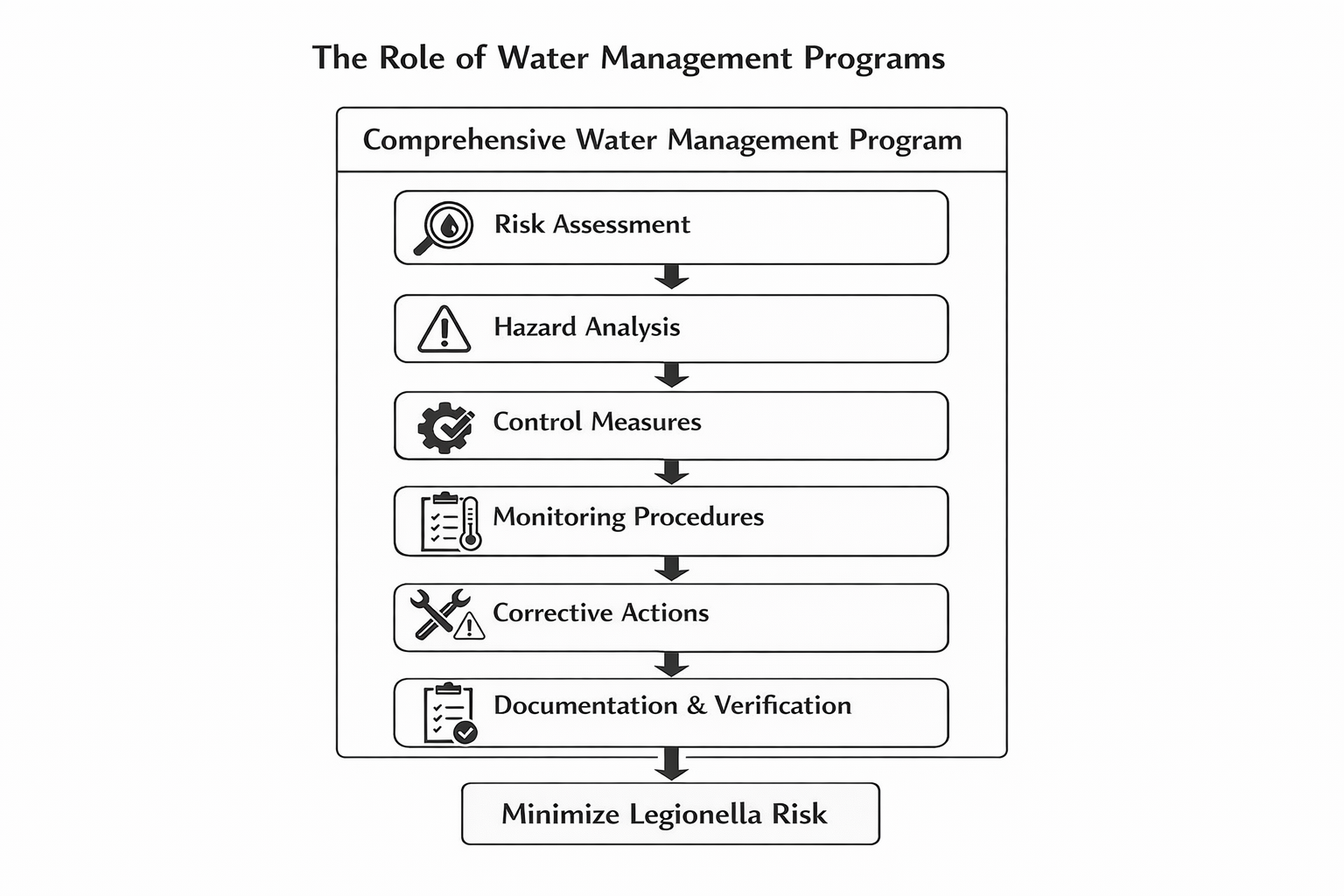
A comprehensive water management program is the foundation of effective legionella management in building water systems. Industry guidance from organizations such as ASHRAE, the World Health Organization, and the American Industrial Hygiene Association emphasizes a structured, water management program based approach to disease control. These programs are designed to identify risks, establish control measures, and ensure ongoing system performance.
Rather than reacting to issues after they occur, water management plans focus on proactive prevention and consistent oversight. This approach helps minimize risk, reduce legionella contamination, and support safe operation of potable water systems and cooling tower water systems.
Key components of a water management program typically include:
- Risk assessment: Identify where legionella risk exists within building water systems, including areas prone to stagnant water, temperature variation, or biofilm formation
- Hazard analysis: Evaluate how system conditions, such as water temperature, disinfectant residual, and flow patterns, may contribute to bacterial growth
- Control measures: Define strategies to control growth, including chemical treatment, temperature control, and system design adjustments
- Monitoring procedures: Establish routine checks for critical parameters, such as disinfectant residual levels and system performance
- Corrective actions: Outline steps to take when control limits are not met, ensuring rapid response to minimize risk
- Documentation and verification: Maintain records to demonstrate that systems are properly maintained and that control strategies are effective
By implementing a structured water management program, professionals responsible for managing building water systems can take a proactive role in preventing legionella growth and maintaining system integrity.
Monitoring, Maintenance, and Prevention Practices
Consistent monitoring and proper maintenance are essential to control growth and ensure that building water systems remain properly maintained over time. Even well-designed programs can fail without routine verification and preventative measures that address changing system conditions.
Routine Monitoring
Ongoing monitoring helps confirm that control strategies are working as intended and that key parameters remain within target ranges.
- Disinfectant residual testing: Regular measurement ensures adequate levels are maintained throughout distribution systems
- Microbial monitoring: Field tests and laboratory analysis help detect early signs of bacterial growth
- Water temperature checks: Verifying hot and cold water ranges helps prevent conditions that support legionella growth
- System inspections: Identifying areas of stagnant water, scaling, or fouling that may contribute to contamination
Preventative Maintenance
Preventative measures are critical to reduce legionella growth and maintain long-term system performance.
- Routine cleaning schedules: Removal of scale, sediment, and biofilm formation in cooling towers and plumbing systems
- Drift eliminators maintenance: Ensuring proper function to limit the spread of contaminated water droplets from tower water systems
- System flushing: Eliminating stagnant water in low-use areas, including dead legs and underutilized outlets
- Following manufacturer’s instructions: Ensuring equipment and treatment programs are operated as designed
- Maintaining consistent flow: Reducing standing water conditions that support bacterial growth
By combining routine monitoring with proper maintenance, water treatment professionals can maintain control legionella growth and minimize the risk of system-related contamination.
Health Risks and Exposure Considerations
Legionella exposure remains a significant health concern, particularly when building water systems allow bacteria to proliferate and become aerosolized. When contaminated water droplets are inhaled, they can cause Legionnaires disease, a severe respiratory infection that can lead to hospitalization or death in vulnerable individuals.
While healthy people exposed to low levels of Legionella may not always become ill, certain populations face increased risk of severe outcomes. Understanding these risks is essential for prioritizing control efforts and ensuring that systems are managed appropriately.
Populations at higher risk include:
- Older adults, particularly those over 50
- Current or former smokers, due to reduced lung function
- Individuals with chronic lung disease, including COPD or other respiratory conditions
- People with weakened immune systems, whether due to illness or medical treatment
In addition to general exposure risks, occupational exposure may occur in environments where workers are routinely near cooling towers, decorative fountains, or other aerosol-generating systems. Building occupants in poorly maintained facilities may also face elevated risk if systems are not properly controlled.
How ETI Supports Water Treatment Professionals
Managing building water systems for effective legionella control requires more than access to treatment products. It depends on having the right combination of technical expertise, reliable supply, and program flexibility to address system-specific challenges. This is where strong partnerships play a critical role.
Eastern Technologies, Inc. (ETI) supports water treatment professionals by providing the tools and resources needed to help ensure systems are properly maintained and aligned with water management objectives. As a non-competing partner, ETI focuses on enabling distributors and service providers to deliver effective solutions to their customers.
Key areas of support include:
- Broad biocide portfolio: Access to a wide range of oxidizing and non-oxidizing chemistries used to control legionella and other waterborne pathogens
- Technical guidance: Assistance with program development, troubleshooting, and optimizing treatment strategies for managing building water systems
- Custom formulation capabilities: Flexibility to tailor products based on system requirements and operating conditions
- Regulatory and compliance support: Guidance related to water management program implementation and documentation
- Reliable manufacturing and supply: Consistent delivery aligned with operational needs, helping ensure treatment programs remain uninterrupted
By combining technical depth with operational reliability, ETI helps water treatment professionals maintain effective water management practices and control legionella across a wide range of applications.
To learn more about how ETI supports your water treatment programs, contact us today.