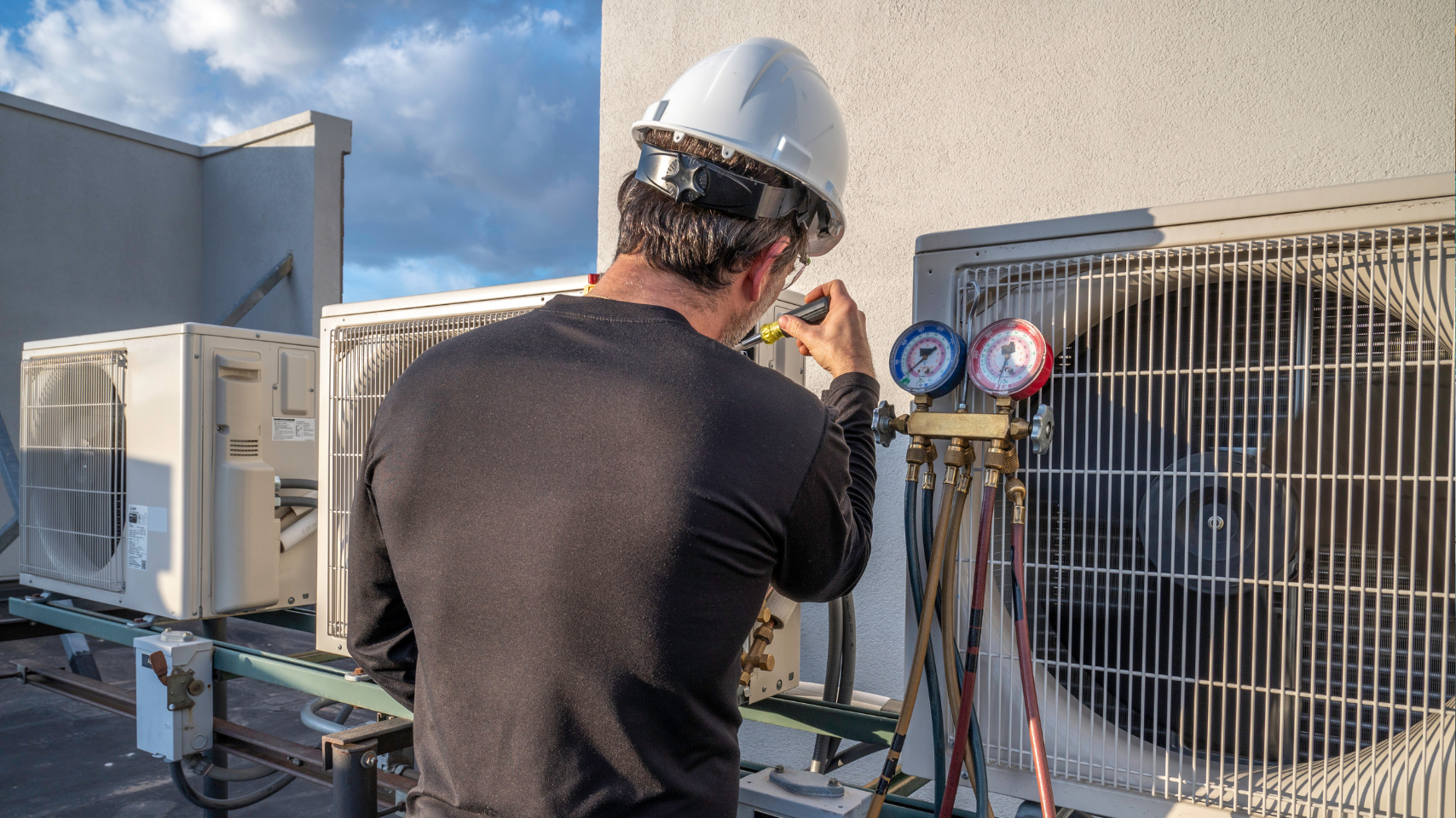
Closed loop water treatment plays a critical role in maintaining reliable HVAC systems and industrial facilities. While closed loop systems are often perceived as low maintenance compared to cooling towers and other open systems, they are not immune to water quality issues. Without proper water treatment, even closed water systems can experience corrosion, fouling, and reduced system performance.
Unlike open systems that constantly introduce fresh water, closed loop systems recirculate the same closed loop water through heat exchangers, piping, and other system components. This design improves energy efficiency and limits contamination exposure, but it also creates unique chemical stability challenges. Oxygen intrusion, improper chemical balance, and microbial activity can gradually compromise heat transfer efficiency and shorten equipment life.
Effective closed loop water treatment ensures that HVAC systems operate efficiently, industrial facilities avoid unnecessary downtime, and critical equipment remains protected. When implemented correctly, a structured treatment program safeguards system performance, supports energy efficiency, and prevents costly long-term damage.
Understanding Closed Loop Systems vs Open Systems
A closed loop water system recirculates the same water through a closed circuit of piping, pumps, and heat exchangers. These closed recirculating systems are designed to operate with relatively stable temperatures and a controlled water volume. In contrast, open loop systems, including open cooling towers, continuously interact with the atmosphere and lose water through evaporation. That constant exposure introduces new contaminants and creates frequent changes in water chemistry.
It is common to assume closed systems are automatically protected because they have limited contact with air and do not require constant makeup. In practice, closed loop water can still degrade over time due to oxygen ingress during maintenance, leaks, or startup, as well as the gradual accumulation of suspended solids and corrosion byproducts. The goal of loop water treatment is to maintain consistent water quality throughout the entire system, even when conditions appear stable.
| Feature | Closed Loop Systems | Open Systems (Cooling Towers) |
|---|---|---|
| Water exposure | Minimal air contact in closed systems | Continuous air contact in open systems |
| Makeup water | Infrequent makeup, lower fresh water demand | Frequent makeup to replace evaporative loss |
| Contaminant risk | Lower, but debris and corrosion products can accumulate | Higher due to airborne and environmental contaminants |
| Chemical stability | More stable, but still sensitive to oxygen intrusion | Constantly changing due to evaporation and concentration cycles |
| Primary operating risks | Corrosion, microbiological growth, solids buildup | Scale buildup, biological fouling, corrosion, scale formation |
Understanding this distinction matters because a closed loop water system often fails quietly. When problems emerge, they can affect multiple system components at once, and repairs may require draining and treating a large portion of the closed loops.
Also read: Understanding Condensate Treatment: Oxygen, CO₂, and the Role of Blended Amines
Primary Risks in Closed Loop Water Systems
Although closed loops operate in a contained environment, they are not immune to chemical and biological challenges. In many industrial systems and HVAC systems, untreated systems gradually deteriorate from the inside out. Because problems develop slowly, they often go unnoticed until system efficiency declines or costly repairs become unavoidable.
Corrosion and Galvanic Reactions
Corrosion is the most common threat in closed loop systems. Even small amounts of oxygen introduced during maintenance or through minor leaks can react with metal components. Over time, this leads to deterioration of metallic surfaces throughout the piping system and connected process equipment.
Common causes include:
- Oxygen ingress during startup or service
- Improper chemical balance
- Mixed metallurgy that increases galvanic corrosion
- Inadequate corrosion inhibitors
Consequences may include:
- Pitting and damage to metal surfaces
- Degradation of pipe surfaces and heat exchangers
- Premature failure of system components
- Conditions that shorten equipment life and overall system life
Without proper treatment, corrosion spreads across the entire system and compromises long-term reliability.
Scale, Suspended Solids, and Fouling
Even in closed circuit systems, suspended solids can accumulate. Construction debris, corrosion byproducts, and mineral content may circulate through cooling systems and deposit on heat transfer surfaces.
Key risks include:
- Scale formation on heat exchangers
- Scale buildup inside the piping system
- Reduced flow due to solids accumulation
- Deposits that reduce heat transfer efficiency
When scale formation or debris restricts heat transfer, the system must work harder to maintain stable temperatures. This increases energy consumption and reduces efficiency across industrial processes.
Microbiological Growth and Biological Fouling
Closed systems are often assumed to be sterile, but stagnant areas and moderate temperatures can support microbial growth. In chilled water systems and other cooling water applications, microbiological growth can attach to pipe surfaces and form biofilms.
Common impacts include:
- Biological fouling on heat exchangers
- Deposits that support microbial growth
- Under-deposit corrosion on metal surfaces
- Conditions that reduce efficiency and system performance
If left unaddressed, biological fouling can significantly reduce heat transfer and contribute to hidden damage within closed water systems. Proactive closed loop water treatment helps control bacteria and maintain stable water quality before issues escalate.
Impact on Heat Transfer, Energy Use, and Operating Costs
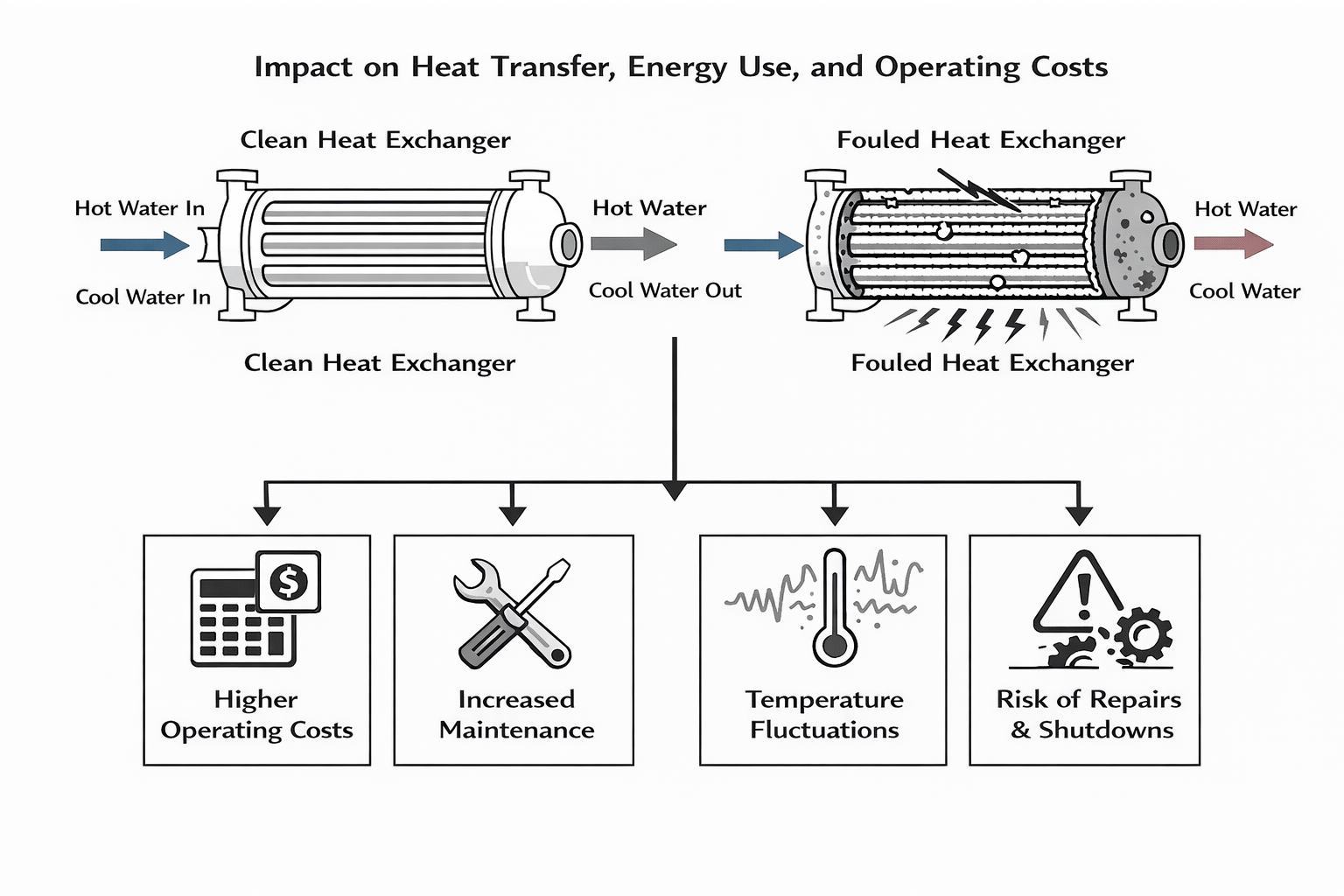
The performance of a closed loop water system is directly tied to heat transfer efficiency. When heat transfer surfaces remain clean and protected, heat exchangers can move energy effectively between heat producing equipment and the cooling water or heating systems they serve. This supports efficient heat transfer, stable temperatures, and overall system efficiency.
However, corrosion, scale buildup, and biological fouling create insulating layers on metal surfaces. Even a thin deposit can reduce heat transfer efficiency and force equipment to work harder to maintain design conditions. As heat transfer declines, systems require more energy to compensate. The result is higher energy consumption, increased energy waste, and strain on critical components.
When heat transfer efficiency declines, facilities may experience:
- Increased operating costs due to higher energy consumption
- Greater maintenance costs from cleaning and repairs
- Temperature fluctuations that affect industrial processes
- Reduced system efficiency across the entire system
- Greater risk of costly repairs or unplanned shutdowns
In industrial facilities, including power plants and other energy intensive operations, reduced heat transfer can significantly impact performance and reliability. Maintaining high quality water through proper treatment protects heat exchangers, preserves energy efficient operation, and ensures industrial systems continue running smoothly.
Designing an Effective Closed Loop Water Treatment Program
An effective closed loop water treatment program is built on prevention, monitoring, and chemical precision. Whether serving chilled water systems, heating systems, or complex industrial processes, the goal is to maintain high quality water that protects equipment and supports efficient operation across the entire system.
A comprehensive loop water treatment strategy should address corrosion, microbiological control, solids management, and chemical balance.
Corrosion Inhibitor Selection
Corrosion control begins with selecting appropriate corrosion inhibitors for the system’s metallurgy and operating conditions.
An effective approach includes:
- Matching corrosion inhibitors to metal components and metallic surfaces
- Maintaining proper chemical balance to prevent galvanic corrosion
- Monitoring inhibitor levels through routine water testing
- Adjusting treatment chemicals based on operating conditions
Proper treatment protects system components, piping, and heat exchangers, helping extend equipment life and overall system life.
Microbiological Control
Even closed water systems can support microbial growth, particularly in areas of low flow or moderate temperatures. Chemical treatments must be selected to control bacteria without disrupting system chemistry.
Best practices include:
- Periodic application of water treatment chemicals designed to control bacteria
- Monitoring for microbiological growth in cooling water and process equipment
- Avoiding untreated systems that allow biological fouling to develop
- Verifying chemical compatibility within closed recirculating systems
Maintaining biological control protects heat transfer surfaces and reduces the risk of under-deposit corrosion.
Filtration and Water Testing
Physical cleanliness is just as important as chemical stability. Proper filtration removes suspended solids that could otherwise circulate and deposit throughout the piping system.
An effective program includes:
- Proper filtration to capture debris and corrosion byproducts
- Routine water testing to evaluate chemical balance and inhibitor levels
- Monitoring water quality changes after maintenance or water volume adjustments
- Adjusting treatment chemicals to maintain consistent protection
Regular water testing ensures small imbalances are corrected before they impact system performance.
Glycol Management and Freeze Protection
In many HVAC systems and industrial systems, freeze protection is achieved through glycol blends. While glycol protects against freezing, it can degrade over time and disrupt chemical balance.
A proactive approach includes:
- Monitoring glycol concentration and reserve alkalinity
- Ensuring compatibility between glycol and corrosion inhibitors
- Maintaining stable temperatures without compromising system efficiency
- Replacing degraded fluids before they affect process equipment
Proper closed loop water treatment supports energy efficient operation, protects industrial systems, and ensures cooling water and heating systems continue operating reliably.
Also read: Boiler Corrosion Prevention: Key Components & Problems Explained
ETI’s Approach to Supporting Closed Loop Programs
Effective closed loop water treatment requires more than standard treatment chemicals. It demands technical understanding, consistent product quality, and responsive support. Eastern Technologies, Inc. supports independent water treatment professionals and OEM partners with the products and expertise needed to protect system life and keep operations running smoothly.
ETI operates under a B2B2C, non-compete model. The company does not sell direct to end users. Instead, ETI exists to equip water treatment providers with high-quality water treatment chemicals, corrosion inhibitors, and specialized formulations tailored to closed water systems and industrial facilities. This partner-first approach allows service providers to maintain their client relationships while leveraging national-level technical capability.
ETI supports closed loop programs with:
- Custom-formulated corrosion inhibitors and treatment chemicals
- Broad chemical treatments for microbiological control
- Technical troubleshooting and laboratory support
- Manufacturing reliability backed by ISO 9001:2015 certification
- Industry credibility as the 2023 AWT Supplier of the Year
By combining product breadth with technical support, ETI helps water treatment professionals deliver proper water treatment that protects system performance, extends equipment life, and maintains efficient operation across industrial processes.
For water treatment professionals seeking technical support, custom formulations, and dependable supply, ETI stands ready to help. Contact ETI to learn how we can support your closed loop programs and help you deliver consistent, high-performance results to your customers.