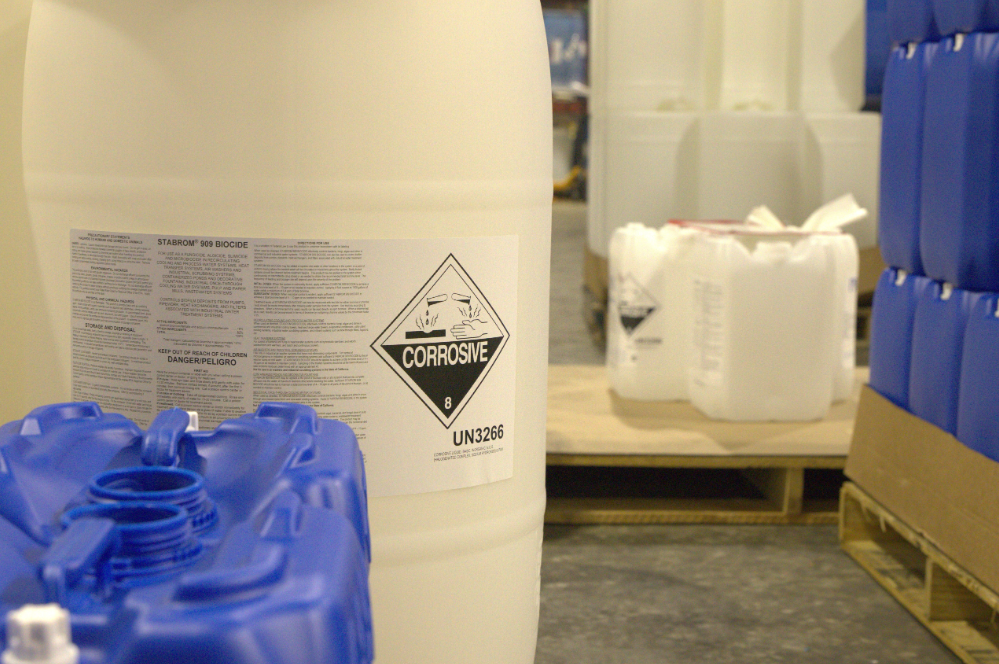
Proper chemical waste handling is a fundamental responsibility across industries ranging from manufacturing and water treatment to research laboratories. Whether in small volumes or large-scale operations, waste containing hazardous chemicals presents serious risks if managed improperly. These risks extend beyond immediate safety concerns, encompassing long-term impacts on human health and the environment.
Improper disposal of hazardous waste can lead to environmental contamination, groundwater pollution, and the release of toxic gases or other harmful byproducts. For organizations, this mismanagement often results in regulatory penalties, reputational damage, and increased liability exposure.
Because of these concerns, robust requirements exist to guide the handling, storage, and disposal of chemical waste. These standards are enforced by federal agencies like the Environmental Protection Agency (EPA) and supported by state-level regulations. Understanding and complying with these rules is essential for protecting health and the environment, maintaining safety, and ensuring operational integrity.
What Qualifies as Chemical Waste and Hazardous Waste
Not all waste materials generated in industrial, laboratory, or commercial settings are created equal. While general refuse such as packaging, paper, or non-toxic byproducts may qualify as solid waste, many materials fall under more stringent regulatory categories due to their composition or potential environmental impact.
Chemical waste includes any byproduct, residue, or expired material that contains chemical compounds — whether it’s leftover laboratory reagents, expired commercial grade formulations, or spent solvent mixtures from production processes. When such waste poses a risk to human health or the environment due to ignitability, corrosivity, reactivity, or toxicity, it may also qualify as hazardous chemical waste under federal and state regulations.
These types of hazardous materials are often categorized as regulated chemical wastes, subject to control under the Resource Conservation and Recovery Act (RCRA) and enforced by the Environmental Protection Agency (EPA). Within this framework, hazardous chemicals must be managed according to their classification and the waste’s potential to cause harm.
Importantly, the classification depends on both the nature of the chemical constituents and how the person generating the waste handles it. Mislabeling or misidentifying regulated wastes can result in improper treatment, legal penalties, and significant safety risks — especially when dealing with other wastes that may seem benign but have underlying hazards.
Also Read: Why Chemical Selection Strategies Fail and How to Fix Them
Common Types of Chemical Waste Generated in Industrial and Laboratory Settings
Chemical waste varies widely depending on industry, processes, and materials used. Understanding the types of wastes generated within a facility is critical for proper classification, safe handling, and regulatory compliance. Each waste type represents a distinct waste stream with specific storage and disposal requirements.
Spent Solvents and Solvent Mixtures
One of the most common forms of chemical waste involves spent solvents, including both halogenated solvents and non halogenated solvents. These may include spent solvent mixtures from cleaning, degreasing, or extraction processes. Improper handling of these solvent mixtures can pose fire, toxicity, or environmental risks.
Unused or Expired Chemicals
Unused chemicals, outdated products, and off-spec commercial grade formulations frequently accumulate in storage areas. Although unused, these materials may still be regulated due to their chemical composition and potential hazards.
Aqueous Solutions and Process Residuals
Many industrial operations generate aqueous solutions containing dissolved metals, treatment additives, or residual organic materials. Even dilute solutions may require special handling if regulated constituents are present.
Petroleum Hydrocarbons and Organic Waste
Operations involving fuels, lubricants, or coatings often produce waste containing petroleum hydrocarbons. These materials can contaminate soil and water if released improperly.
Laboratory and Research Waste
Research laboratories commonly generate chemical waste from laboratory reagents, experimental residues, and cleaning operations. These wastes often include small volumes of diverse other chemicals, requiring careful segregation and documentation.
Regulatory Framework Governing Chemical Waste Handling and Disposal
The handling and disposal of chemical waste in the United States is governed primarily by the Environmental Protection Agency (EPA) through a set of federal regulations established under the Resource Conservation and Recovery Act (RCRA). This legislation provides the legal framework for managing hazardous waste, from generation through storage, transportation, and final disposal.
Under RCRA, hazardous waste is defined based on characteristics such as ignitability, corrosivity, reactivity, and toxicity. The toxicity characteristic leaching procedure (TCLP) is a standard EPA test method used to determine whether waste leaches harmful levels of contaminants. Results from this test, often measured at a specific test temperature, help identify whether a substance poses a substantial present or potential threat to health or the environment.
In addition to characteristic waste, the EPA maintains specific listings of hazardous wastes. These include the U-listed waste category, which identifies discarded commercial chemical products that meet defined toxicity and usage criteria.
Every organization that produces, stores, or handles regulated waste is required to follow a hazardous waste program that includes classification, container management, and recordkeeping. For facilities with dedicated safety personnel, an EHS hazardous waste program (Environmental Health and Safety) ensures alignment with both federal and state-specific compliance requirements.
Proper Storage, Labeling, and Accumulation Requirements
Proper storage and labeling are fundamental to compliant chemical waste handling. Mismanagement at this stage can lead to spills, injuries, regulatory violations, or even uncontrolled reactions between incompatible chemicals.
Storage Best Practices
Use the right waste containers to prevent leaks, corrosion, and vapor emissions. Some key requirements include:
- Compatible materials: Ensure that chemical waste containers do not corrode or degrade when in contact with the waste. For example, acids should never be stored in metal containers that could react.
- Tightly sealed: Keep all containers sealed except when adding waste.
- Condition checks: Inspect regularly for bulging, rust, or cracks. Replace damaged containers immediately.
- Ventilation: Store volatile or reactive materials in well-ventilated areas to reduce the risk of toxic gases or explosive decomposition.
Prevent Incompatible Mixtures
Mixing incompatible wastes can cause dangerous chemical reactions. Do not:
- Combine oxidizers with organics or solvents
- Mix acids with bases
- Store reactive materials near flammables
- Dispose of multiple waste types in a single container without compatibility review
Always consult the Safety Data Sheet (SDS) and site-specific procedures.
Labeling Requirements
Every chemical waste container must include a hazardous waste label with:
- The words “Hazardous Waste”
- Full chemical names (no abbreviations or formulas)
- Accumulation start date
- Generator contact information
- Physical hazards, if applicable
Secondary Containment and Accumulation
- Use secondary containment (such as trays or tubs) to catch leaks or spills.
- Label and date each container at the point of waste generation.
- Follow site policy for accumulating waste, typically within 55-gallon or smaller limits for hazardous materials.
- Keep incompatible storage areas segregated and clearly marked.
- Store containers at normal temperatures, avoiding hot spots or direct sunlight.
Proper handling at this stage ensures compliance, prevents incidents, and sets the stage for safe disposal.
Safe Handling Practices and Associated Hazards
Improper handling of hazardous materials can result in exposure, fires, explosions, and long-term harm to human health and environmental health. These risks are often preventable through well-established practices designed to minimize accidents and avoid the generation of toxic gases or reactive incidents.
Use Appropriate PPE at All Times
Personal protective equipment should match the nature of the waste being handled. Common PPE includes:
- Chemical-resistant gloves
- Safety goggles or face shields
- Flame-retardant lab coats
- Respiratory protection, if vapors or toxic gases are present
Never assume standard PPE is sufficient for unknown or mixed materials.
Avoid Direct Contact and Cross-Contamination
All surfaces and tools that come into contact with chemically contaminated waste must be decontaminated or disposed of properly. Use designated work areas and equipment for chemical waste handling only.
Handle with Ventilation and Containment in Mind
- Work in fume hoods or ventilated areas when handling volatile or reactive materials
- Use sealed containers and secondary containment for transport and storage
- Prevent open handling of vapors, powders, or unstable solutions
Never Attempt Improvised Disposal
Pouring waste down the drain or mixing it with general refuse can lead to improperly treated waste and unexpected reactions. This not only violates regulations but also poses a threat to human health and the broader ecosystem.
Proper training and adherence to protocols are essential. Every handler should be trained on the associated hazards of specific waste types and understand the consequences of unsafe practices.
Chemical Waste Removal, Transportation, and Disposal
Once chemical waste is properly stored and labeled, the next step is safe chemical waste removal. Waste must be transported and disposed of by licensed carriers and treatment facilities in accordance with federal and state hazardous waste management regulations. This includes accurate manifests, secure packaging, and strict adherence to compatibility rules during transport. Generators must also maintain records of waste profiles, quantities, and disposal certificates as part of their overall chemical waste management documentation.
Certain disposal actions are strictly prohibited. Hazardous chemicals must never be poured down a sanitary sewer or mixed with trash disposal streams. Even broken glass that has been chemically contaminated must be treated as regulated waste, not general debris. Facilities should maintain clear procedures for initiating a waste pickup request and ensure staff are trained on segregation rules. Proper waste management at this final stage ensures that toxic substances are treated, neutralized, or destroyed appropriately—minimizing risk to people and the environment while maintaining full regulatory compliance.
How ETI Supports Proper Chemical Waste Management
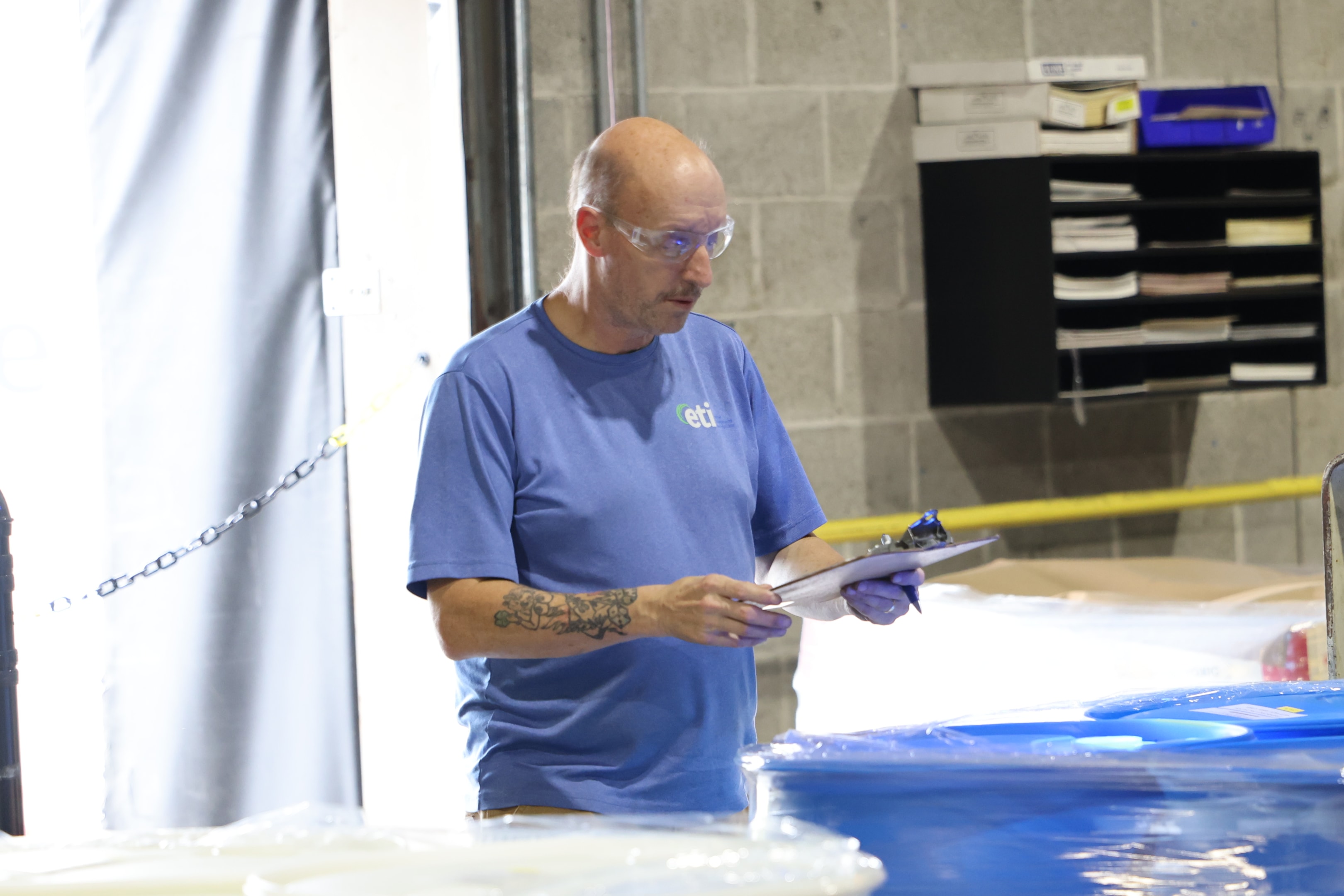
Managing chemical waste effectively requires more than disposal. It requires upstream treatment solutions that reduce risk, improve compliance, and stabilize waste streams before discharge or removal. ETI supports water treatment professionals with advanced wastewater treatment technologies designed to improve separation, reduce hazardous constituents, and support compliant waste management programs.
ETI Wastewater Treatment Capabilities Relevant to Chemical Waste
- Advanced Coagulant Technologies: High-performance aluminum- and iron-based coagulants designed to improve suspended solids removal, reduce sludge volume, and support clarification across variable influent conditions.
- Advanced Organic Coagulants: Polyamine-based formulations that enhance floc formation, reduce inorganic residuals, and improve operational efficiency in challenging waste streams.
- Advanced Dispersant Technologies: Engineered polymer dispersants that prevent particulate accumulation, reduce fouling, and improve solid-liquid separation in industrial wastewater systems.
- Advanced Flocculant Technologies: Precision cationic and anionic flocculants tailored to specific waste stream characteristics, supporting improved settling, dewatering, and clarification.
- Heavy Metal Precipitation Solutions: Selective precipitation, chelation, and coagulation chemistries designed to remove regulated heavy metals such as lead, mercury, cadmium, chromium, and arsenic, producing stable, non-leachable solids suitable for compliant disposal.
ETI works behind the scenes as a technical resource for independent water treatment professionals, helping align treatment chemistry with regulatory requirements, waste stream characteristics, and downstream disposal considerations.
To learn how ETI can support your chemical waste management strategy, contact ETI’s technical team or explore our wastewater treatment solutions to discuss your specific application.