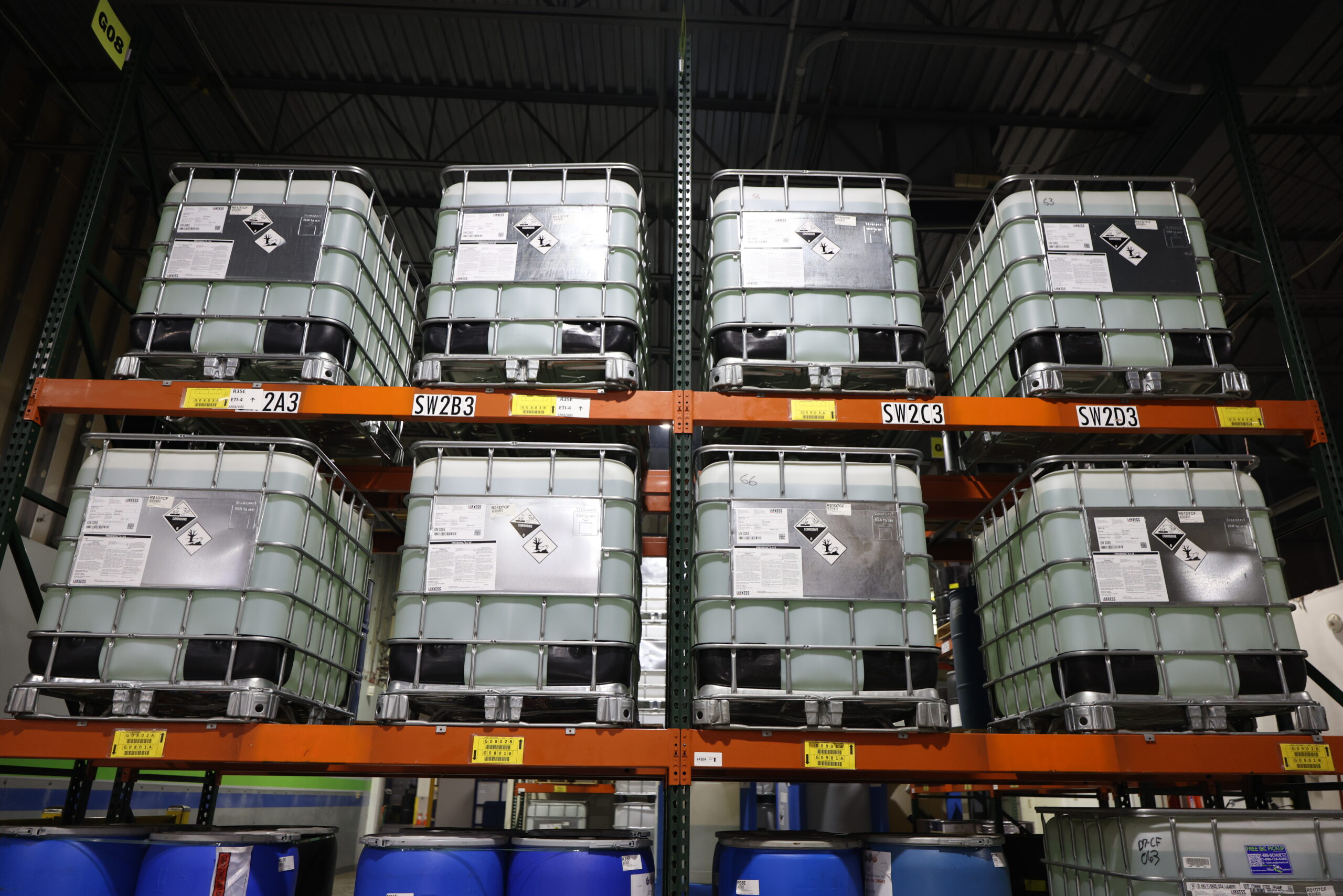
Chemical labeling plays a critical role in protecting workers, maintaining regulatory compliance, and ensuring safe operations wherever chemicals are used or stored. In industrial facilities, laboratories, and service environments, employees often interact with hazardous chemicals that pose physical and health risks if not clearly identified. Accurate labels help communicate potential hazards at a glance and support informed decision-making during handling, storage, and emergency response.
From reducing accidental exposure to supporting occupational safety programs, chemical labeling serves a clear purpose. It is a foundational element of compliance that helps organizations meet workplace safety expectations while promoting consistent communication about chemical risks across teams and job functions.
Regulatory Framework: OSHA, GHS, and Hazard Communication
Chemical labeling requirements in the United States are primarily governed by the Occupational Safety and Health Administration through the Hazard Communication Standard. This standard was adopted to ensure that information about hazardous chemicals is communicated consistently across workplaces. To support global alignment, OSHA incorporated the Globally Harmonized System of Classification and Labeling of Chemicals, commonly known as GHS.
Under this framework, chemical hazards are classified using standardized criteria, and GHS labels are used to communicate those hazards clearly. The globally harmonized system defines how hazard categories, signal words, and symbols are applied so employees can quickly recognize risks regardless of the chemical manufacturer or location. By aligning with OSHA and the broader health administration guidance, organizations improve compliance while making it easier for workers to understand and respond to chemical hazards consistently across operations.
Required Elements of a Compliant Chemical Label
To meet regulatory expectations and support workplace safety such as NSF-60 Certified Drinking Water Additives, chemical labeling must include specific, standardized information. These elements ensure that hazards are clearly communicated and that employees know how to handle a substance safely. Under OSHA and GHS guidelines, a compliant label typically includes the following information:
- Product identifier: The full chemical name or substance name that matches the safety data sheet, helping users clearly identify what is inside the container.
- Signal word: Either Danger or Warning, used to indicate the relative severity of the hazards. Danger is reserved for more severe risks, while Warning applies to less severe hazards.
- Hazard statements: Standardized phrases that describe the nature of the hazards, such as flammable, toxic, or capable of causing eye damage. These statements are assigned based on hazard classification.
- Precautionary statements: Instructions that describe recommended measures to minimize exposure, including handling, storage, and emergency response actions.
- Pictograms: Visual symbols that quickly communicate specific hazards, making it easier for employees to recognize risks at a glance.
- Responsible party information: The name of the manufacturer or responsible party, along with an address and telephone number, so users can contact the source for additional information.
Including all required elements on labels helps ensure chemical labeling for professional chemical blending companies is consistent, understandable, and effective in communicating hazards throughout the workplace.
Labeling Best Practices for Primary and Secondary Containers
Beyond meeting minimum requirements, effective chemical labeling relies on best practices that support clarity and consistency across all chemical containers. The original label provided by the manufacturer should always remain intact on primary containers, as it contains complete hazard and identification information required for compliance.
When chemicals are transferred into secondary containers, such as spray bottles or day-use containers, those containers of hazardous substances must also be labeled. At a minimum, secondary containers should include the full chemical name and clear information about the hazards associated with the substance. Avoid using abbreviations or informal names that could cause confusion, especially in shared work environments.
Best practices include ensuring labels are legible, printed with durable materials, and resistant to moisture or chemical exposure. Labels should also include the date the container was filled when applicable. Consistent labeling across all chemical containers helps ensure employees can quickly identify risks and respond appropriately, even when containers change hands or locations.
Storage, Handling, and Ongoing Label Maintenance
Chemical labeling remains effective only when it is supported by proper storage and routine review. Even clearly labeled containers can create risk if chemicals are stored incorrectly or labels degrade over time. Organizations should store hazardous materials according to manufacturer instructions, compatibility guidelines, and facility safety procedures to minimize exposure and prevent adverse reactions.
Labels should be reviewed regularly to ensure they remain legible and accurate. Faded, damaged, or missing labels must be replaced promptly to maintain compliance and protect employees. As part of ongoing safety efforts, personnel should be trained to recognize labeling issues and report them when identified. Maintaining accurate labels, along with safe storage practices, helps reinforce chemical safety programs and supports a proactive approach to risk management.
How ETI Supports Partners with Labeling and Compliance
For water treatment professionals, chemical labeling is not only a regulatory obligation but also a shared responsibility across the supply chain. Eastern Technologies, Inc. supports its partners by helping ensure labeling aligns with applicable OSHA and GHS requirements while maintaining consistency across product lines. As a manufacturer and distributor that does not compete with its customers, ETI focuses on providing technical guidance, regulatory support, and quality systems that help partners communicate hazards clearly and accurately.
Through private label programs, compliance assistance, and technical expertise, ETI helps partners navigate labeling requirements with confidence. To learn more about how ETI supports water treatment professionals or to discuss labeling and compliance questions, contact ETI directly to connect with their technical team.