Legionella bacteria are waterborne pathogens that can cause serious respiratory illnesses, including Legionnaires disease and Pontiac fever. These conditions present a significant health risk in human occupied buildings, particularly when building water systems are not properly maintained. For building occupants, exposure to contaminated aerosols from cooling towers, plumbing systems, or decorative water features can have severe consequences.
To address this risk, the ANSI ASHRAE Standard 188 was developed to establish a structured framework for managing Legionella in building water systems. ASHRAE 188 provides clear guidance for building owners and managers to implement water safety strategies that reduce the likelihood of legionella growth and transmission. The standard applies to both new and existing buildings and outlines minimum legionellosis risk management practices designed to protect public health through proactive water management.
What Is ASHRAE 188 and Who Does It Apply To?
ASHRAE 188, formally known as ANSI ASHRAE Standard 188, was developed by air conditioning engineers and industry experts to establish minimum legionellosis risk management requirements for building water systems. The ASHRAE standard provides a systematic approach to identifying and controlling conditions that can contribute to legionella growth in human occupied buildings.
Over time, ASHRAE standard 188 replaced permissive language with enforceable language, strengthening accountability for owners and managers and clarifying expectations for regulatory purposes.
Systems Covered Under ASHRAE 188
The standard applies to a range of centralized building water systems and related building systems that may present a legionella risk, including:
- Cooling towers
- Potable water systems
- Decorative fountains
- Hot tubs
- HVAC systems connected to water systems and components
- Other service of centralized building water systems
These systems can create conditions that allow bacterial amplification and exposure through aerosolization.
Who Is Responsible?
ASHRAE 188 places responsibility on building owners, facility managers, and other parties involved in the operation and maintenance of affected building systems. Health officials may reference the ashrae standard in building codes or for regulatory purposes, particularly in facilities with increased risk such as health care facilities. Clear assignment of responsibility helps ensure occupant safety and consistent water management across facilities.
Core Requirements: The Water Management Program
At the center of ASHRAE 188 is the requirement for a documented water management program. This program serves as the foundation of effective risk management and provides a systematic approach to reducing legionella risk in both new and existing buildings. The standard outlines clear legionellosis risk management requirements that guide owners and managers through assessment, control, monitoring, and documentation.
1. Establish a Water Management Team
Building owners must designate a team responsible for developing and implementing the water management plan. This team should include individuals involved in design, construction, installation, commissioning, operation, maintenance, and service of the building’s water systems. Clearly identifying who is involved ensures accountability throughout installation commissioning operation maintenance and ongoing operation maintenance and service activities.
2. Conduct a Building Survey
A thorough building survey is required to evaluate water systems and components. This includes:
- Identifying all centralized building water systems and potable water systems
- Reviewing water system design and recent construction
- Evaluating design construction installation commissioning records
- Assessing current commissioning operation maintenance practices
- Mapping areas of stagnation or low flow
The survey applies to existing buildings as well as new and existing buildings undergoing renovation or system modification.
3. Identify Hazard Points and Establish Control Measures
After identifying system components, the team must determine where conditions could support legionella growth and define appropriate control measures. These may include:
- Temperature management in hot and cold water systems
- Disinfectant residual control
- Equipment maintenance schedules
- Flushing protocols
- Operational control strategies for cooling towers and other high-risk systems
Control measures must be measurable and aligned with overall water management objectives.
4. Monitoring and Corrective Actions
The water management program must define monitoring procedures to confirm that control limits are maintained. This includes:
- Routine monitoring of key parameters
- Defined documentation requirements
- Pre-established corrective actions when limits are exceeded
Clear corrective actions reduce response time and help limit exposure risk.
5. Verification and Validation
Finally, the program must include verification to confirm that procedures are being followed and validation to confirm that control strategies effectively reduce legionella risk. This lifecycle perspective spans construction installation commissioning operation and long-term maintenance, ensuring that water management remains active rather than static.
High-Risk Systems: Where Legionella Growth Occurs
Legionella growth is most likely to occur in building systems where water temperature, stagnation, and nutrient availability create favorable conditions. Certain water systems and components present an increased risk because they can aerosolize water, increasing the potential for exposure among building occupants. Effective control depends on understanding how system design, operation, and maintenance influence bacterial growth.
Below is a comparison of common high-risk systems identified in ASHRAE 188 and related guidance.
| System Type | Why It Is High Risk | Key Control Focus |
|---|---|---|
| Cooling towers and towers | Aerosol generation and warm recirculating water | Biocide control, monitoring, routine maintenance |
| Potable water systems | Stagnation, warm temperatures, low disinfectant residual | Temperature management and flushing |
| Decorative fountains | Public interaction and visible water features | Continuous disinfection and maintenance |
| Hot tubs | High temperature and vigorous agitation | Tight control limits and frequent monitoring |
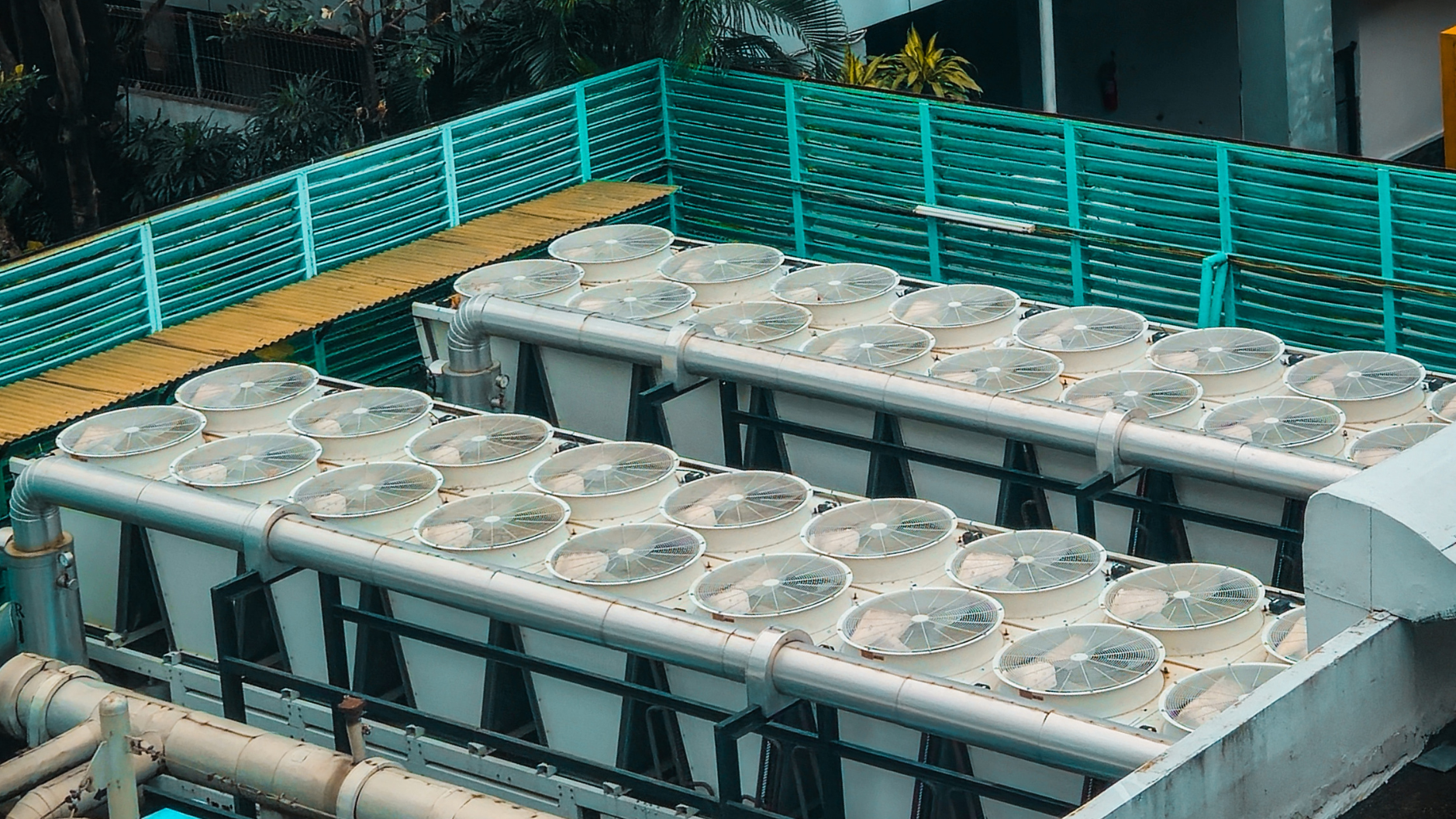
Cooling towers are often emphasized because they are part of centralized building water systems and can disperse aerosols over wide areas. Managers of facilities with these systems must ensure that control measures are consistently applied, monitored, and documented. Gaps in operation or maintenance of components can allow rapid bacterial growth and increase exposure risk for occupants.
The Role of Water Treatment Professionals
While ASHRAE 188 assigns responsibility to building owners and managers, water treatment professionals play a critical role in practical implementation. Their technical expertise supports effective risk management by helping facilities establish reliable control measures and maintain consistent monitoring protocols.
Water treatment professionals are often involved in installation, commissioning, and ongoing service of cooling towers and other building water systems. Their responsibilities frequently include evaluating operational data, recommending chemical control strategies, and assisting with corrective actions when control limits are exceeded. Proper documentation and performance tracking are essential for demonstrating compliance and supporting adoption of structured water management practices.
In many facilities, these professionals help facilitate adoption of a formal water management program by translating technical requirements into actionable procedures. Through routine service, parameter monitoring, and performance review, they help reduce legionella risk and support long-term system reliability.
How Eastern Technologies, Inc. Supports Legionella Risk Management
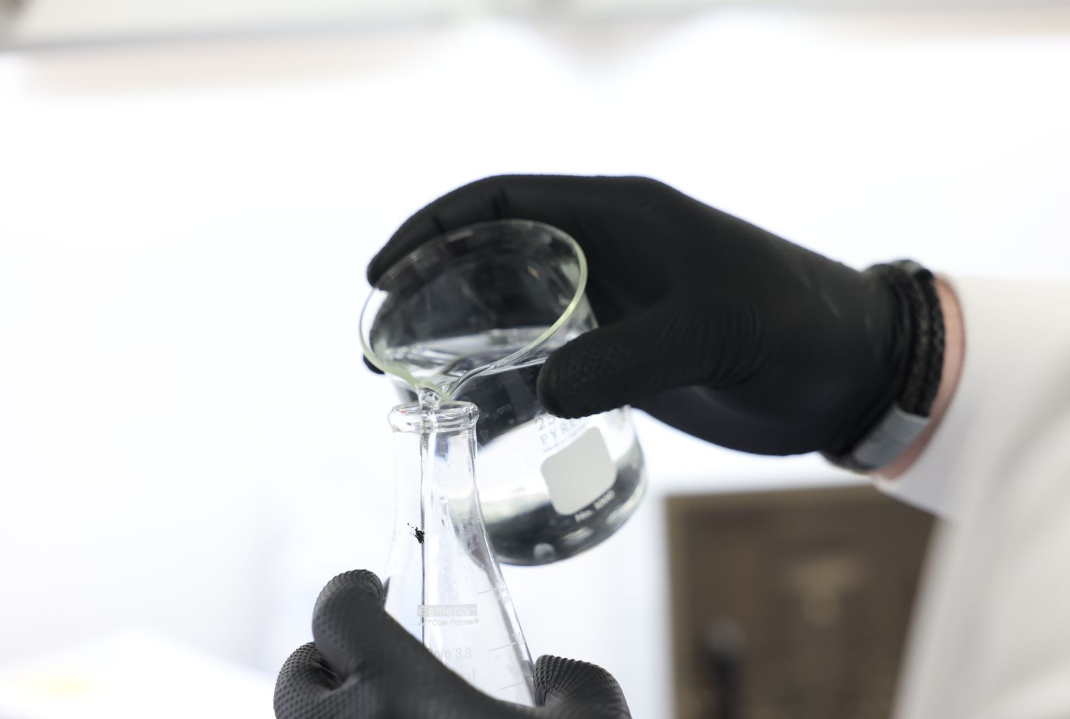
For nearly four decades, Eastern Technologies, Inc. has supported independent water treatment professionals with the chemistry, technical depth, and operational reliability needed to strengthen water management and risk management programs. ETI does not compete with the professionals it serves. Instead, it operates within a B2B2C model designed to equip partners who support building owners and facilities managing cooling towers and other regulated water systems.
In the context of ASHRAE 188 compliance and broader regulatory purposes, ETI supports partners with:
- More than 35 biocide chemistries, including oxidizing and non-oxidizing options
- Custom formulation flexibility for specific system requirements
- Technical expertise to assist with monitoring strategies and corrective actions
- Compliance and documentation support aligned with water management program expectations
- The Right Seven QA fulfillment promise to ensure consistent supply and service reliability
By combining technical support with manufacturing consistency, ETI helps water treatment professionals confidently support owners in maintaining effective Legionella risk management strategies.
To strengthen your approach to Legionella risk management and cooling tower performance, contact CWI to discuss how your facility can enhance system control, monitoring, and ongoing maintenance strategies.