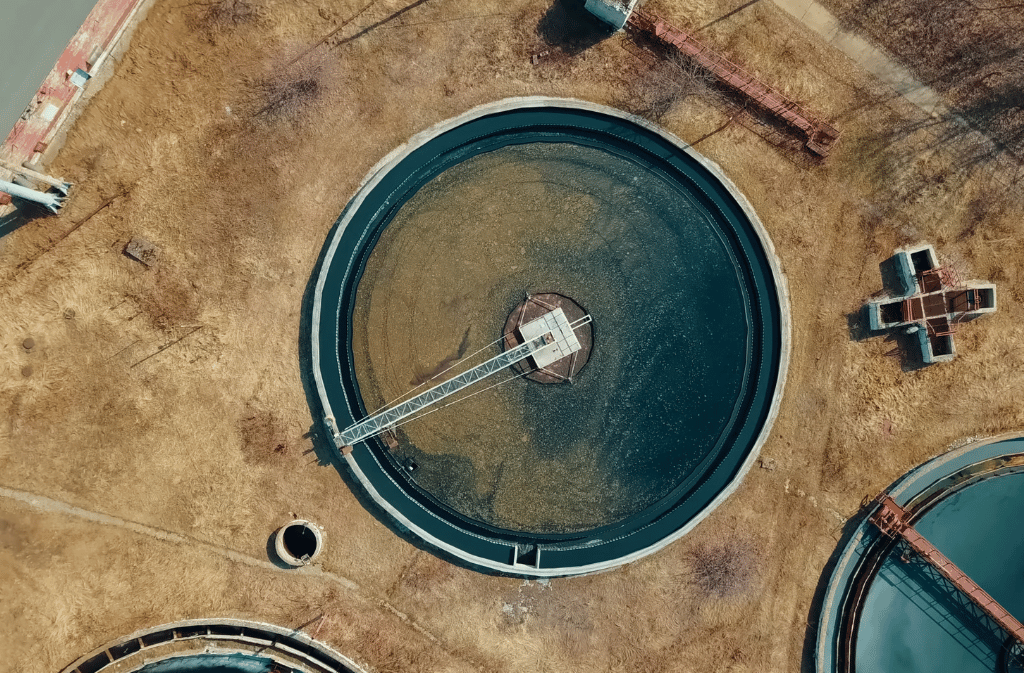
Maintaining proper pH levels is essential for effective water treatment, as it directly influences water quality, corrosion control, and the performance of treatment processes. In industrial applications, pH adjustment helps maintain suitable operating conditions, protect equipment, and support consistent treatment results.
Selecting the right pH adjustment chemicals for water treatment requires understanding how acids and caustics affect water chemistry. Acids lower pH, while caustics and other alkaline chemicals raise it to meet specific treatment requirements. Proper chemical selection and pH control help water treatment professionals manage system performance, reduce operational risks, and support efficient and safe operations.
Key Takeaways
- pH adjustment helps maintain water quality, protect equipment, and support effective industrial treatment processes.
- Selecting appropriate acids or alkaline chemicals requires evaluating water chemistry, treatment objectives, and operating conditions.
- Consistent monitoring and reliable technical support help water treatment professionals maintain effective pH control and treatment performance.
Understanding pH in Water Treatment
The pH scale measures the acidity or alkalinity of water, typically ranging from 0 to 14. A pH of 7 is neutral at 25°C, while values below 7 indicate acidic conditions and values above 7 indicate alkaline conditions. The scale is logarithmic, meaning each one-unit change represents a tenfold difference in hydrogen ion activity.
In water treatment, pH influences chemical reactions, corrosion potential, scale formation, and treatment effectiveness. Maintaining appropriate pH levels helps treatment systems operate reliably and protects equipment from unfavorable water conditions.
Although closely related, pH and alkalinity measure different properties. While pH indicates how acidic or alkaline water is, alkalinity describes its capacity to neutralize acids and resist pH changes. Understanding this distinction is important for proper pH control.
Acids Used to Lower pH in Water Treatment
Acids are commonly used to lower pH when water becomes excessively alkaline or exceeds the required range for industrial treatment processes. These chemicals increase hydrogen ion concentration and neutralize alkalinity, helping maintain appropriate operating conditions. Common options include sulfuric acid, hydrochloric acid, and carbon dioxide, each with distinct properties and application considerations.
| Chemical | Function | Key Considerations |
|---|---|---|
| Sulfuric Acid (H₂SO₄) | A strong acid that rapidly reduces pH in industrial water systems. | Adds sulfate, which can contribute to scaling under certain conditions. |
| Hydrochloric Acid (HCl) | Provides rapid pH reduction by neutralizing alkaline compounds. | Adds chloride, which may increase corrosion risks in susceptible equipment. |
| Carbon Dioxide (CO₂) | Dissolves in water to form carbonic acid, which lowers pH. | Offers a controllable alternative, although effectiveness depends on gas transfer and water chemistry. |
Sulfuric and hydrochloric acids require careful handling, compatible dosing equipment, and appropriate safety precautions. Carbon dioxide may be suitable for more gradual pH reduction in certain applications.
Selecting the appropriate acid depends on water alkalinity, treatment objectives, chemical compatibility, and system operating conditions.
Caustics and Alkaline Chemicals Used to Raise pH
Caustics and other alkaline chemicals are used to raise pH when water is too acidic or requires additional alkalinity for stable treatment performance. Their effectiveness depends on water chemistry, buffering capacity, and treatment requirements.
Sodium Hydroxide (Caustic Soda)
Sodium hydroxide (NaOH) is a strong base commonly used for rapid pH adjustment in industrial water treatment. It is typically supplied as a liquid solution for controlled dosing. However, its corrosive properties require careful handling, monitoring, and appropriate safety measures.
Sodium Carbonate (Soda Ash)
Sodium carbonate (Na₂CO₃), also known as soda ash, increases pH while contributing carbonate alkalinity. It can improve buffering capacity, helping water resist sudden pH changes. Its potential effects on hardness and scale formation should also be considered.
Calcium Hydroxide (Hydrated Lime)
Calcium hydroxide [Ca(OH)₂] is commonly used to neutralize acidic water and support certain wastewater treatment processes. It can provide a cost-effective solution for larger treatment applications, although slurry preparation and solids management require consideration.
Selecting the appropriate alkaline chemical helps maintain proper pH levels and consistent treatment performance.
Applications of pH Adjustment in Industrial Water Treatment
pH requirements vary across industrial water systems. Maintaining application-specific pH levels helps treatment chemicals perform effectively, protects equipment, and supports reliable system operation.
Wastewater Treatment
In wastewater treatment systems, pH influences chemical precipitation, coagulation, and biological treatment. Proper pH adjustment supports heavy metal removal, microbial activity, and compliance with applicable discharge requirements.
Cooling Towers
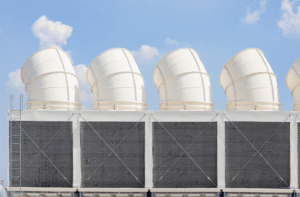
In cooling towers, pH control helps manage corrosion, mineral scaling, and treatment chemical effectiveness. Maintaining suitable levels depends on water chemistry, system materials, and the overall treatment program.
Boiler Systems
Boiler systems require carefully controlled water chemistry to minimize corrosion and deposit formation. Appropriate pH levels support boiler treatment performance, with specific requirements depending on operating pressure, equipment materials, and treatment methods.
Industrial Process Water
In industrial processes, pH can affect chemical reactions, product quality, and equipment compatibility. Consistent monitoring and adjustment help maintain suitable treatment conditions as water composition and operating demands change.
Factors to Consider When Selecting pH Adjustment Chemicals
Selecting pH adjustment chemicals for water treatment requires more than choosing an acid or caustic based on its ability to change pH. A reliable treatment program considers water chemistry, treatment objectives, and operating conditions.
- Initial Water Chemistry and Alkalinity: Measure starting pH, alkalinity, hardness, and relevant contaminants. Buffering capacity influences chemical demand and how water responds to treatment.
- Target pH and Treatment Objectives: Determine the appropriate pH range for corrosion control, precipitation, or biological processes. Requirements vary by application and applicable discharge regulations.
- Chemical Compatibility: Evaluate how added sodium, chloride, sulfate, or calcium may affect corrosion, scale formation, equipment materials, and downstream treatment processes.
- Safety and Operating Costs: Consider chemical storage, handling requirements, dosing equipment, and overall treatment costs. Strong acids and caustics require appropriate safety precautions.
- Monitoring and Treatment Validation: Account for flow rate and changing water quality. Regular testing, calibrated instruments, and controlled chemical dosing help maintain stable pH levels.
Evaluating these factors helps water treatment professionals select suitable chemicals while supporting operational efficiency, safe operations, and regulatory compliance.
pH Adjustment Solutions and Technical Support From ETI
For independent water treatment professionals and OEMs, effective pH management requires dependable products and application-specific expertise. Eastern Technologies, Inc. (ETI) supports these businesses with alkalinity boosters, wastewater treatment solutions, and custom chemical blending tailored to varying water chemistry and operating needs.
Through its technical services, ETI provides product application guidance, troubleshooting, and support for treatment challenges. Its team also assists with wastewater polymer selection and jar testing, helping distributor partners evaluate solutions for their customers. ETI supplies its distributor network rather than selling directly to end users, preserving the customer relationships partners work to build.
Need support evaluating a pH adjustment program? Contact ETI to discuss chemical selection, formulation options, and technical assistance for your business.
Frequently Asked Questions (FAQs)
What are the most common pH adjustment chemicals used in water treatment?
Common options include sulfuric acid, sodium hydroxide, and soda ash. Selection depends on treatment requirements.
How does sodium hydroxide raise pH in water treatment systems?
Sodium hydroxide supplies hydroxide ions that neutralize acidity. Controlled dosing helps prevent excessive pH increases.
What is the difference between using sulfuric acid and carbon dioxide for pH reduction?
Sulfuric acid lowers pH while adding sulfate. Carbon dioxide forms carbonic acid when dissolved in water.
Why is proper pH control important in wastewater treatment systems?
Suitable pH supports biological treatment and heavy metal precipitation. It also helps meet applicable discharge requirements.
How can water treatment professionals determine the appropriate pH adjustment chemical?
Evaluate alkalinity, target pH, flow rate, and chemical compatibility. Verify chemical performance through testing and monitoring.