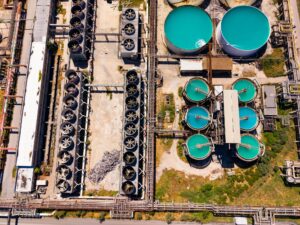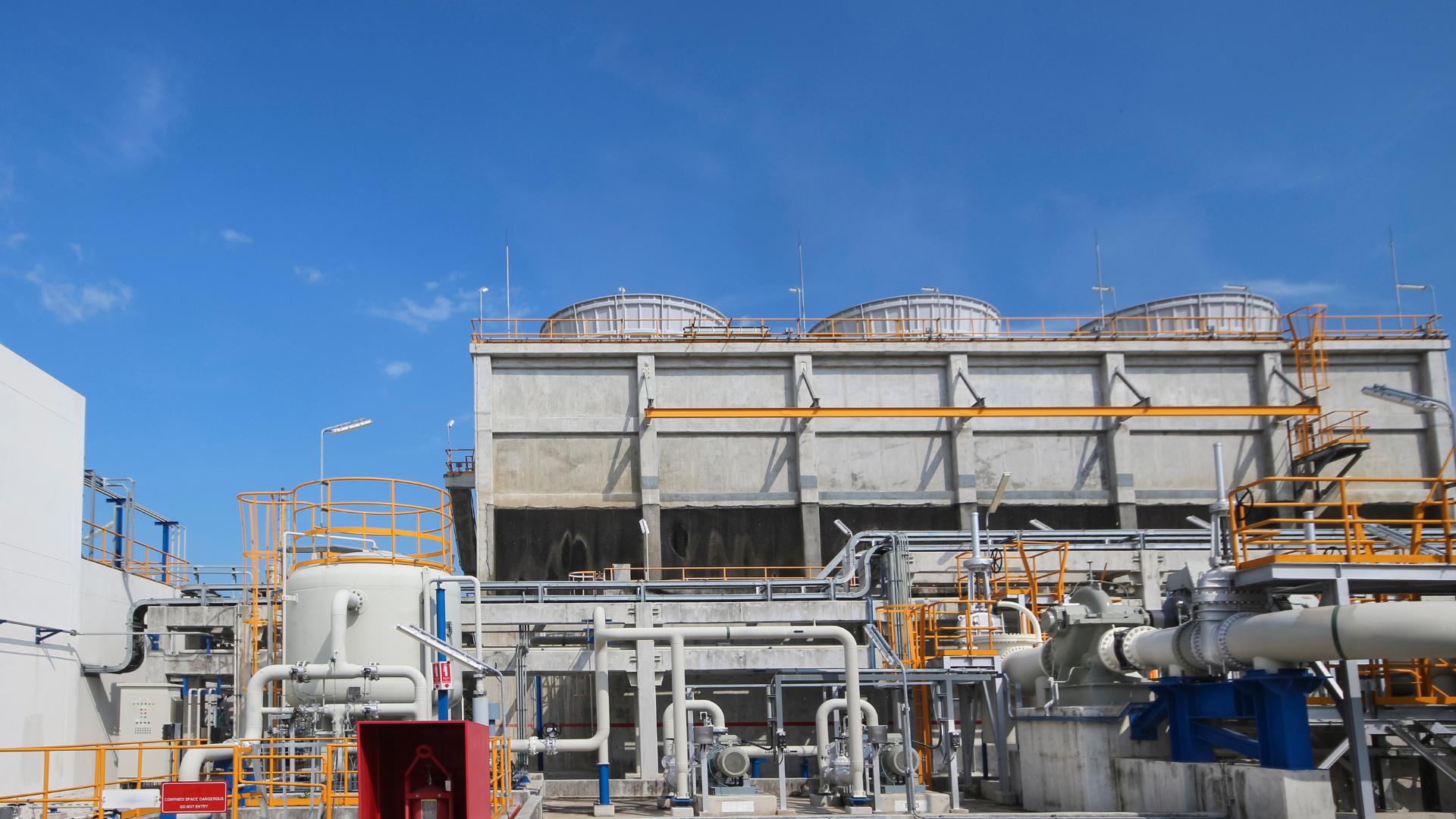
Industrial facilities rely on consistent water quality to protect equipment, maintain efficient operations, and support production. Yet changing water chemistry, operating conditions, and process demands can create recurring water treatment challenges, including scale, corrosion, fouling, microbiological growth, and wastewater management issues. These problems can affect system performance, increase maintenance and operating costs, and create compliance concerns when they are not properly managed.
Effective water treatment is therefore about more than selecting a chemical or treatment method. It requires understanding the specific water chemistry, equipment, operating conditions, and treatment objectives of each application. By identifying common challenges and addressing them through appropriate treatment processes, monitoring, and technical expertise, industrial facilities can improve performance while using water and other resources more efficiently.
Key Takeaways
- Industrial water treatment challenges can affect equipment reliability, efficiency, operating costs, and compliance.
- Scale, corrosion, microbiological growth, fouling, and changing water chemistry require application-specific treatment strategies.
- Boiler and wastewater systems also require consistent monitoring and properly managed treatment processes.
- Water conservation and reuse must be balanced with water quality and equipment protection.
- Working with an experienced water treatment partner can help professionals develop effective, reliable treatment programs.
1. Scale and Mineral Deposits
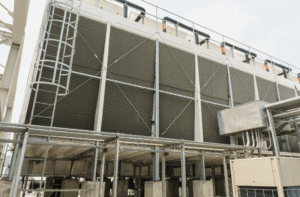
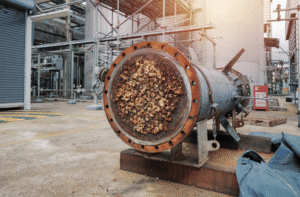
Scale forms when dissolved minerals in industrial water become concentrated and precipitate onto equipment surfaces. In cooling and boiler systems, these deposits can accumulate on heat-transfer surfaces, restrict flow, and interfere with efficient operation. Common contributors include changes in water chemistry, mineral concentration, temperature, and system operating conditions.
If scale is allowed to build up, facilities may experience:
- Reduced heat-transfer efficiency
- Restricted water flow
- Increased cleaning and maintenance requirements
- Higher operating costs
Managing scale requires more than removing existing deposits. Appropriate treatment processes, routine monitoring, and chemical treatments can help control the conditions that cause mineral precipitation in the first place. Because water chemistry and operating conditions vary between systems, treatment programs should be selected according to the specific application and monitored for treatment efficiency.
2. Corrosion
Corrosion is another common water treatment challenge in industrial systems, particularly when water chemistry is not properly controlled. Factors such as pH, dissolved oxygen, temperature, conductivity, and the presence of certain dissolved minerals can influence how quickly metal components deteriorate. Over time, corrosion can lead to leaks, equipment damage, reduced system reliability, and unplanned maintenance.
Effective corrosion control depends on maintaining water chemistry within appropriate operating conditions. Treatment programs may include corrosion inhibitors and other chemical treatments, but chemical selection alone is not enough. Regular monitoring and testing help water treatment professionals identify changes in system conditions and adjust treatment before corrosion becomes a larger operational problem.
For industrial facilities, proactive corrosion management can help protect equipment, improve performance, and reduce operational costs associated with premature repairs or replacement.
3. Microbiological Growth and Biofilm
Microbiological growth is a significant water treatment challenge in systems where warm, nutrient-rich water can support the growth of bacteria, algae, fungi, and other microorganisms. In cooling systems, uncontrolled biological growth can contribute to biofilm, deposits, restricted flow, and microbiologically influenced corrosion. Certain conditions can also create human health concerns, particularly when water systems provide an environment where organisms such as Legionella can grow.
Why Microbiological Control Matters
Effective control requires more than treating visible biological growth after it appears. Water treatment professionals may use appropriate biocides and monitoring practices to manage microbial populations while accounting for system conditions, water chemistry, and treatment requirements. Selecting suitable chemical treatments and maintaining consistent monitoring can help protect equipment, support treatment efficiency, and reduce the risks associated with uncontrolled biological growth.
4. Fouling and Suspended Solids
Fouling occurs when unwanted materials accumulate within an industrial water system, reducing flow or interfering with heat transfer and equipment performance. Suspended solids, corrosion products, biological material, and contaminants from industrial processes can all contribute to fouling, and the specific cause often determines which treatment methods are most appropriate.
| Problem | Typical Source | Potential Effect |
|---|---|---|
| Scale | Dissolved minerals | Reduced heat-transfer efficiency |
| Fouling | Suspended or process materials | Restricted flow and reduced efficiency |
| Biofilm | Microbiological growth | Deposits and increased corrosion risk |
Managing fouling may involve a combination of monitoring, filtration, cleaning, and chemical treatment. Advanced filtration systems and other water treatment technologies can help control suspended solids in suitable applications, but filtration alone does not necessarily replace a properly designed chemical treatment program. An integrated approach can help facilities improve efficiency and maintain reliable system performance.
5. Water Conservation and Changing Water Chemistry
Industrial facilities are under increasing pressure to use water more efficiently while maintaining reliable equipment performance. Water scarcity, rising demand, and the need to protect water resources can make water reuse and reduced fresh water consumption important considerations, but changing how water is used can also change the chemistry within a treatment system.
Cooling systems, for example, must balance water conservation with the control of dissolved minerals and other contaminants. Increasing cycles of concentration can reduce water consumption, but it can also increase the concentration of substances that contribute to scale, corrosion, or fouling. Effective water treatment helps facilities manage this balance by monitoring water quality and adjusting treatment methods as operating conditions change.
The goal is not simply to use less water. It is to use water efficiently while maintaining appropriate chemistry, equipment protection, and system performance.
6. Boiler Water Chemistry and Blowdown
Boiler systems require careful control of water chemistry to minimize deposits, corrosion, and carryover while maintaining efficient operation. As water is converted to steam, dissolved solids and other contaminants can become increasingly concentrated, making appropriate treatment processes and blowdown management essential to maintaining boiler performance.
The balance is important:
| Boiler-Water Management | Potential Consequence |
|---|---|
| Insufficient blowdown | Higher concentrations of contaminants, deposits, and potential carryover |
| Excessive blowdown | Unnecessary water, energy, and chemical losses |
Routine monitoring helps water treatment professionals determine whether boiler chemistry remains within appropriate operating conditions. Properly managed treatment can help reduce energy consumption and operating costs while supporting equipment reliability and overall efficiency.
7. Wastewater Treatment and Discharge Requirements
Industrial facilities must manage wastewater generated by production, cleaning, processing, and other operations while meeting applicable discharge requirements. Unlike treatment programs focused on protecting boilers or cooling systems, wastewater treatment must account for the specific contaminants present in the waste stream and the facility’s treatment objectives.
Common Industrial Wastewater Concerns
- Suspended solids and other particulate matter
- Heavy metals
- Organic matter and process contaminants
- Grease and oils
- Variable wastewater characteristics
Because industrial wastewater can change with production conditions, selecting appropriate wastewater treatment processes requires an understanding of both the wastewater chemistry and the desired treated water quality. Coagulation, flocculation, biological treatment, and other treatment methods may be used depending on the application, while ongoing monitoring helps facilities maintain treatment efficiency and remain compliant with applicable environmental regulations.
The right approach can help facilities manage wastewater responsibly, support environmental protection, and reduce the potential impact of industrial discharges on surrounding water resources.
How ETI Supports Water Treatment Professionals
Addressing industrial water treatment challenges often requires more than selecting the right chemical. Water treatment professionals need dependable treatment products, application expertise, testing, and technical support that can help them respond to changing system conditions and customer requirements. ETI provides these resources while supporting the professionals who manage the customer relationship.
Technical Support for Industrial Water Treatment
ETI supports cooling and boiler treatment programs with application guidance, troubleshooting, and chemistry designed to address scale, corrosion, fouling, and microbiological growth. Its laboratory capabilities include water analysis, deposit analysis, and corrosion coupon analysis, helping professionals better understand system conditions and make informed treatment decisions.
For industrial wastewater applications, ETI provides coagulants, flocculants, metals precipitation products, bioaugmentation solutions, and other wastewater treatment chemicals. Jar testing, laboratory testing, and technical guidance can help professionals evaluate treatment options and optimize wastewater treatment processes for specific applications.
ETI also offers custom chemical formulation and blending, allowing treatment programs to be developed around specific operating conditions rather than relying solely on off-the-shelf products. This combination of chemical manufacturing, technical expertise, and partner support gives independent water treatment companies and OEMs additional resources to solve complex applications and serve their customers effectively.
Need a partner for a challenging industrial water treatment application? Contact ETI Water for technical support and treatment solutions built around your application.