EPA water treatment regulations play a vital role in protecting human health and the environment by establishing standards for water quality, wastewater management, and the safe use of treatment chemicals. Rather than treating water directly, the Environmental Protection Agency (EPA) develops and enforces regulations that help industries, municipalities, and public water systems manage water resources responsibly while reducing the risk of contamination.
For industrial facilities, understanding these regulatory requirements is essential for maintaining compliance, protecting equipment, and supporting sustainable operations. This guide explains the EPA’s role in water treatment, outlines the key regulations that affect industrial water systems, explores common treatment technologies, and highlights best practices for meeting environmental requirements while maintaining reliable water treatment processes.
What Is EPA Water Treatment?
EPA water treatment refers to the regulatory framework established by the Environmental Protection Agency (EPA) to protect water resources and public health. While the EPA does not operate a treatment plant or manage water treatment plants, it sets national standards that guide how water is treated, monitored, and discharged. These regulations help ensure that drinking water, wastewater, and other water supplies are managed safely while minimizing environmental impacts.
The EPA’s Role in Water Treatment
The EPA develops and enforces regulations that govern various water treatment processes across the United States. These requirements help protect drinking water sources, surface water, and treated water by establishing standards for contaminant removal, monitoring, and reporting. Public water systems, industrial facilities, and wastewater treatment operations are expected to follow these regulations to maintain safe and reliable water quality.
The agency also promotes the use of effective treatment technologies and provides technical guidance for addressing emerging contaminants, improving treatment performance, and protecting natural resources. Although individual facilities select the treatment methods best suited to their operations, they must do so within the regulatory framework established by the EPA.
Major EPA Programs Affecting Water Treatment
Several federal programs shape how industrial and municipal water treatment systems operate:
- Clean Water Act (CWA): Regulates pollutant discharges into U.S. waters and establishes permitting requirements for wastewater discharges.
- Safe Drinking Water Act (SDWA): Sets national standards to help ensure the safety of drinking water supplied by public water systems.
- National Pollutant Discharge Elimination System (NPDES): Requires permits that establish discharge limits and monitoring requirements for facilities releasing wastewater.
- Federal Insecticide, Fungicide, and Rodenticide Act (FIFRA): Regulates the registration and use of antimicrobial products, including many biocides used in industrial water treatment.
- Emerging Contaminant Initiatives: Provides guidance and regulatory actions for substances such as polyfluoroalkyl substances (PFAS) and other contaminants of concern.
Understanding these programs provides the foundation for effective regulatory compliance. The next section explores the primary EPA regulations that directly influence industrial water treatment operations and day-to-day compliance responsibilities.
Key EPA Regulations Affecting Industrial Water Treatment
Industrial facilities are responsible for complying with several federal regulations that govern water use, wastewater management, and the handling of treatment chemicals. While the specific requirements vary by industry and location, these regulations share a common goal of protecting water quality, reducing pollution, and safeguarding public health. Understanding how each regulation applies can help businesses select appropriate treatment strategies, maintain compliance, and avoid costly violations.
| Regulation | Primary Purpose | Impact on Industrial Water Treatment |
|---|---|---|
| Clean Water Act (CWA) | Protects the nation’s surface waters by regulating pollutant discharges. | Requires facilities to manage wastewater, implement appropriate pretreatment when necessary, and meet established discharge limits before releasing effluent. |
| National Pollutant Discharge Elimination System (NPDES) | Administers permits for point source discharges into U.S. waters. | Facilities must monitor wastewater quality, document compliance, and ensure discharge meets permit conditions. |
| Safe Drinking Water Act (SDWA) | Protects public drinking water supplies. | Primarily applies to public water systems, but many industrial operations that supply or manage potable water must also comply with applicable standards. |
| Federal Insecticide, Fungicide, and Rodenticide Act (FIFRA) | Regulates pesticide and antimicrobial products used in the United States. | Many industrial water treatment biocides must be EPA-registered, and users must follow approved product labeling and application requirements. |
These regulations influence nearly every stage of industrial water treatment, from selecting appropriate treatment chemicals to monitoring contaminants, documenting operational performance, and managing wastewater discharges. Compliance is not a one-time activity but an ongoing process that requires regular monitoring, accurate recordkeeping, and periodic evaluation of treatment programs.
Although EPA regulations establish the performance goals facilities must achieve, they generally do not prescribe a single solution. Instead, operators can choose from a variety of treatment technologies and operational practices, provided they consistently meet regulatory requirements and permit conditions. Understanding these available technologies is the next step toward building an effective and compliant water treatment program.
Treatment Technologies That Support EPA Compliance
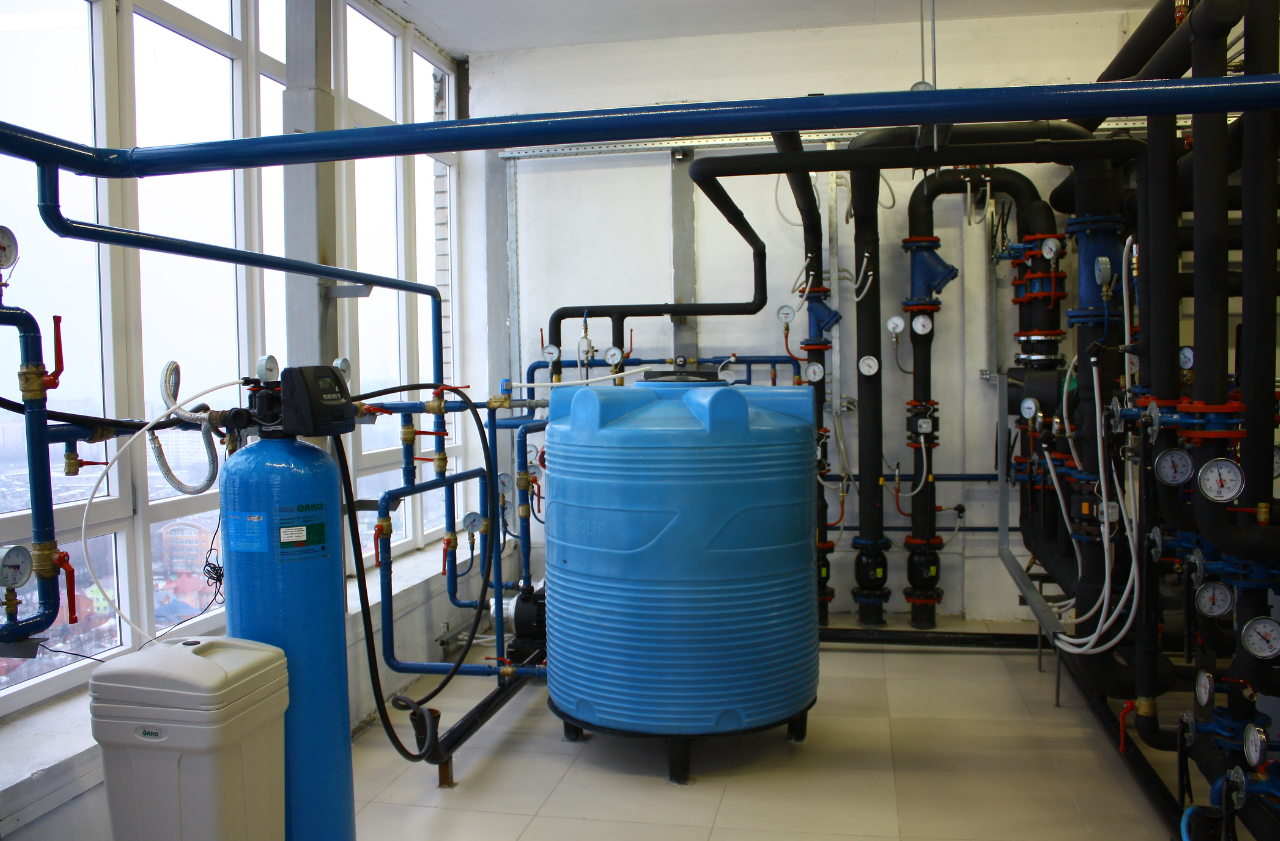
Meeting EPA requirements often requires a combination of treatment technologies designed to remove contaminants, improve water quality, and prepare water for its intended use or discharge. The most effective solution depends on factors such as the quality of the raw water, the types of contaminants present, regulatory requirements, and the operational needs of the facility. Rather than relying on a single method, many industrial systems use multiple water treatment processes to achieve consistent performance.
Physical Treatment Methods
Physical treatment methods remove suspended solids and improve water clarity before additional treatment steps.
- Sedimentation: Allows sediment and other larger particles to settle naturally, reducing the amount of suspended material entering downstream treatment systems.
- Filtration: Removes small particles using various filters, helping improve water quality and protect downstream equipment.
- Activated carbon filtration: Adsorbs organic chemicals, compounds that affect taste and odor, and certain contaminants, making it a valuable polishing step in many treatment applications.
Chemical Treatment Methods
Chemical treatment helps control biological growth, adjust water chemistry, and remove dissolved contaminants.
- Disinfection: Uses disinfectants to control bacteria and other microorganisms that can affect water quality and system performance.
- Chlorine: One of the most commonly used disinfectants for maintaining microbial control in water systems.
- Ozone: A powerful oxidizing agent that enhances disinfection effectiveness and can oxidize certain contaminants without leaving long-lasting residuals.
- Chemical precipitation: Uses carefully selected chemicals to remove dissolved metals, including iron, through reactions that form removable solids.
Advanced Treatment Technologies
Advanced processes are often used when higher water quality standards or specialized treatment objectives must be achieved.
- Reverse osmosis: Forces water through a semipermeable membrane to remove dissolved salts, contaminants, and many dissolved compounds.
- Ion exchange: Replaces undesirable dissolved ions with more suitable ions, making it effective for water softening and the removal of specific contaminants such as certain metals.
- Specialized treatment systems: Depending on regulatory requirements, facilities may implement technologies designed to reduce polyfluoroalkyl substances (PFAS) and other emerging contaminants to very low levels.
Selecting the appropriate treatment approach requires more than simply choosing individual technologies. Facilities must evaluate water chemistry, operational objectives, permit requirements, and long-term system performance to develop a treatment program that supports regulatory compliance while maintaining efficient and reliable operations.
EPA Guidance Beyond Compliance
Complying with EPA regulations is only one part of an effective water management strategy. The agency also publishes technical guidance and best practices that help industrial facilities improve operational performance, reduce environmental risks, and support long-term sustainability. By proactively evaluating treatment programs, facilities can strengthen regulatory compliance while improving the efficiency and reliability of their water systems.
Best Practices for Industrial Water Treatment
Beyond meeting regulatory requirements, facilities can improve overall performance by adopting these practices:
- Conduct routine water quality monitoring to identify changes in system conditions before they become larger operational issues.
- Evaluate treatment effectiveness regularly using water analyses and performance data to determine whether existing treatment programs continue to meet operational and regulatory goals.
- Optimize process control by adjusting treatment programs based on changing water chemistry, seasonal conditions, and production demands.
- Maintain equipment and distribution systems through regular inspections, cleaning, and preventive maintenance to help prevent corrosion, scaling, and biological fouling.
- Implement sound waste management practices by properly handling treatment chemicals, managing residuals, and disposing of waste in accordance with applicable regulations.
- Document monitoring and compliance activities to support permit reporting, demonstrate regulatory compliance, and simplify inspections.
Following EPA guidance encourages facilities to move beyond reactive compliance and adopt a more preventive approach to water treatment. Combining effective monitoring, appropriate treatment technologies, and continuous program evaluation helps protect water resources, support operational reliability, and reduce the risk of future compliance challenges.
How ETI Supports EPA Water Treatment Compliance
Meeting EPA water treatment requirements often involves more than selecting the right treatment chemicals. Water treatment professionals must balance regulatory compliance, system performance, operational efficiency, and evolving environmental standards. Eastern Technologies, Inc. (ETI) supports independent water treatment companies, distributors, and OEMs by providing the products, technical expertise, and regulatory resources needed to help customers develop effective treatment programs while remaining focused on serving their own clients.
Comprehensive Solutions for Industrial Water Treatment
ETI offers a broad portfolio of products designed to support industrial water treatment applications, including:
- Cooling and boiler treatment chemicals for scale control, corrosion inhibition, fouling prevention, and system protection.
- EPA-registered biocides with more than 35 oxidizing and non-oxidizing chemistries, backed by application guidance and regulatory support.
- Wastewater treatment chemicals, including coagulants, flocculants, dispersants, and specialty formulations that help facilities improve clarification, remove suspended solids, and meet wastewater discharge requirements.
- Custom chemical formulations developed to address unique water chemistry, operational conditions, and performance objectives.
Technical and Regulatory Support That Extends Beyond Chemical Supply
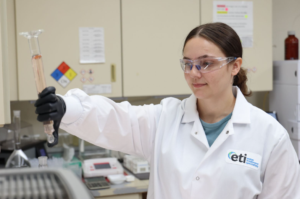
In addition to manufacturing high-quality treatment chemicals, ETI serves as a technical partner for water treatment professionals. Customers have access to laboratory support, water analysis, troubleshooting assistance, jar testing, field evaluations, and application guidance to help optimize treatment programs.
ETI also provides regulatory support for EPA and state biocide registrations, product documentation, and compliance resources. Combined with ISO 9001:2015-certified manufacturing and decades of industry experience, these services help customers deliver reliable solutions while navigating complex regulatory requirements with confidence.
Whether supporting cooling water systems, boiler operations, or industrial wastewater treatment programs, ETI’s partner-first approach enables water treatment professionals to expand their capabilities without competing for their customers.
Looking for a trusted partner to support your EPA water treatment programs? Contact ETI’s technical team to discuss your application or explore our Industrial Water Treatment Solutions, Wastewater Treatment Chemicals, and Biocide Solutions to find the right products and expertise for your business.
Frequently Asked Questions (FAQs)
Does the EPA regulate all water treatment facilities?
The EPA establishes national regulations for public water systems, industrial facilities, and wastewater discharges, but the specific requirements vary depending on the type of operation and applicable federal or state regulations. Municipal water utilities, industrial businesses, and other facilities are responsible for complying with the standards that apply to their operations.
What treatment methods are commonly used to meet EPA water treatment requirements?
Most treatment programs use a combination of physical, chemical, and biological methods based on the quality of the raw water and the contaminants being addressed. Common approaches include filtration, sedimentation, disinfection, reverse osmosis, ion exchange, and specialized treatment technologies designed for specific applications.
How are heavy metals and emerging contaminants removed from water?
The removal of contaminants such as lead, iron, and other dissolved metals often involves chemical precipitation, filtration, or ion exchange. Depending on treatment objectives, advanced technologies such as reverse osmosis or activated carbon filtration may also be used to reduce polyfluoroalkyl substances (PFAS) and other emerging contaminants.
Why are discharge limits important for industrial wastewater?
EPA discharge limits help protect rivers, lakes, and other natural water bodies by controlling the pollutants released from industrial and municipal facilities. Meeting these limits requires effective wastewater treatment, ongoing monitoring, and process optimization to minimize environmental impact.
How can water treatment professionals improve EPA compliance?
Successful compliance begins with regular system evaluation, water quality monitoring, and selecting treatment programs that match changing operating conditions. Working with a knowledgeable technical partner can also help businesses optimize treatment performance, maintain accurate documentation, and adapt to evolving regulatory requirements.