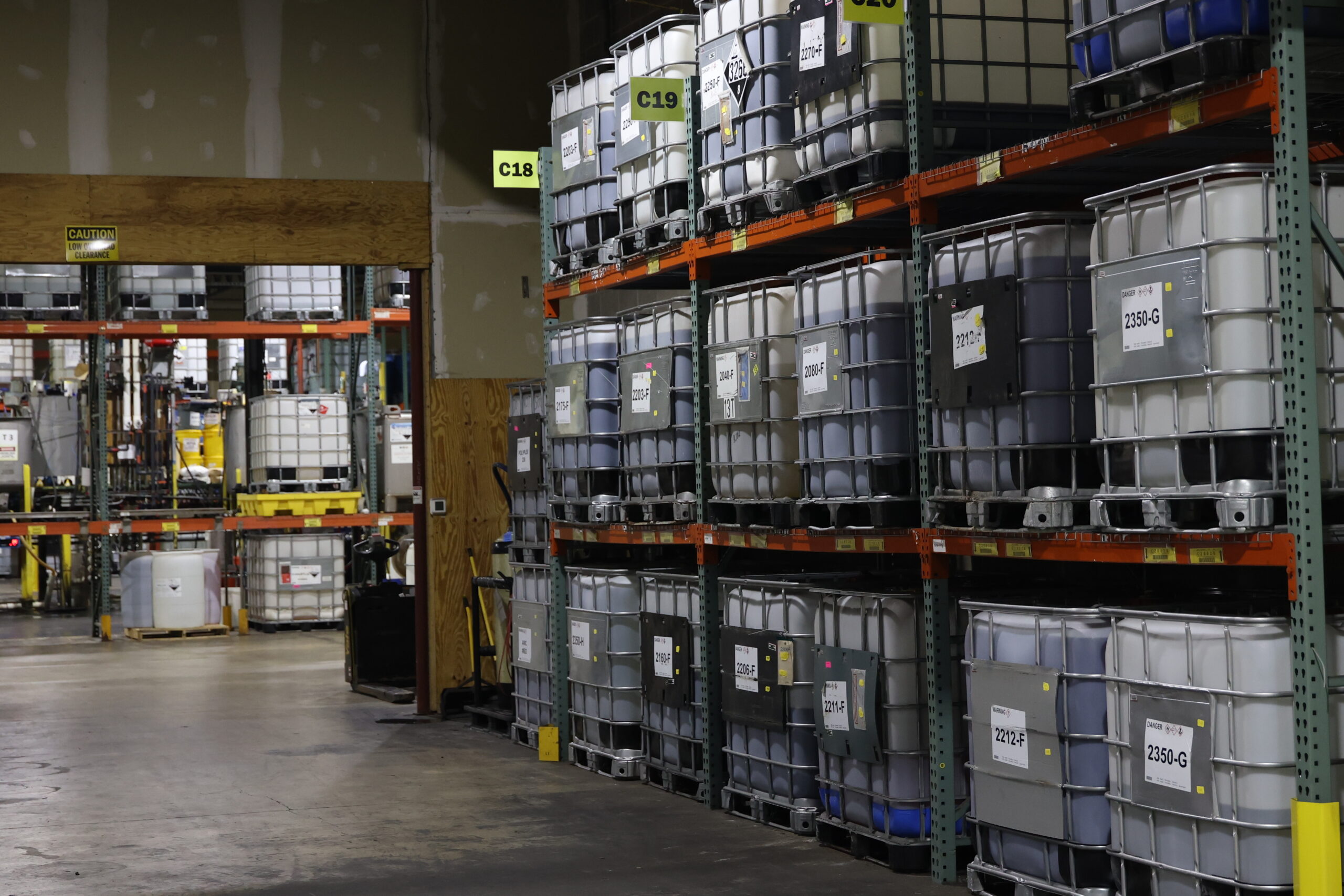
Proper chemical storage is a foundational element of safety, compliance, and operational reliability in industrial facilities. From cooling towers and boiler rooms to wastewater treatment areas and maintenance shops, facilities routinely handle hazardous chemicals that can pose serious risks if they are stored incorrectly. Fires, toxic releases, chemical reactions, and regulatory violations are often traced back to preventable storage failures.
For water treatment professionals and OEMs supporting industrial customers, understanding chemical storage best practices is essential. Safe storage protects personnel, preserves chemical integrity, and ensures treatment programs perform as intended. It also reinforces trust between service providers and the facilities they support.
This article outlines practical, industry-aligned guidance for chemical storage in industrial environments, with a focus on risk reduction, compatibility management, and long-term operational safety.
Understanding Chemical Hazards and Storage Classifications
Industrial facilities manage a wide range of chemicals with very different physical and chemical properties. These materials are categorized by hazard class, which determines how they must be handled and stored. Common hazard classes include flammable chemicals, corrosives, oxidizers, toxics, compressed gases, and reactive substances.
Flammable liquids and combustible liquids present fire and explosion risks. Corrosive materials can damage equipment and cause severe injuries. Oxidizers can intensify fires or react violently when mixed with incompatible materials. Compressed gases may displace oxygen and create an asphyxiation hazard in confined spaces.
Safe chemical storage begins with understanding the specific hazards associated with each substance. Certain chemicals may be stable under controlled conditions but dangerous when exposed to heat, moisture, or incompatible chemicals. Reviewing safety data sheets and maintaining accurate hazard classifications helps facilities design storage systems that reduce risk and support compliance.
General Rules for Chemical Storage in Industrial Facilities
While storage requirements vary by hazard class, several general rules apply to all hazardous materials:
- Chemicals should be stored in designated storage areas that are designed for chemical use.
- Containers must be properly labeled with product identification and hazard information.
- All chemicals should be traceable to a current safety data sheet.
- Containers should be inspected regularly for leaks, corrosion, or damage.
- Damaged containers must be removed from service immediately.
- Chemicals should not be stored near heat sources or in direct sunlight.
- Storage height matters. Containers should be stored at or below eye level whenever possible to reduce spill risk.
- Emergency equipment such as eyewash stations and spill kits must remain accessible at all times.
These general rules support safe storage practices and provide a foundation for more specific storage requirements based on chemical type.
Chemical Segregation and Compatibility Management
One of the most common chemical storage errors is improper segregation. Storing incompatible chemicals together can lead to fires, toxic gas releases, or violent reactions. Chemical segregation should always be based on compatibility, not convenience.
A frequent mistake is storing chemicals alphabetically. While this may appear organized, it can place incompatible chemicals side by side. Instead, chemicals should be stored according to hazard class and compatibility groups.
Best practices for chemical segregation include:
- Segregate acids from bases.
- Store oxidizers away from organic materials and flammable substances.
- Keep incompatible chemicals in separate cabinets or areas.
- Store reactive chemicals away from other chemicals that could trigger a reaction.
Appropriate segregation reduces the likelihood of incidents and simplifies emergency response if a spill or release occurs.
Storage Requirements for Flammable and Combustible Liquids
Flammable liquids and combustible liquids require special attention due to their fire risk. Facilities must take steps to store flammable liquids safely and in accordance with applicable codes.
Key considerations include:
- Use a dedicated flammable storage cabinet that is FM approved.
- Ensure cabinets have self closing doors to limit fire exposure.
- Store flammable materials away from ignition sources.
- Limit the amount of flammable liquids stored outside approved cabinets.
- Clearly label cabinets and storage areas as flammable storage.
When facilities store flammable liquids in large quantities, additional controls may be required, including secondary containment and enhanced ventilation. Proper flammable storage protects both personnel and infrastructure.
Storage of Corrosive Chemicals, Acids, and Oxidizers
Corrosive chemicals, particularly acids, present unique storage challenges. These materials can degrade containers, damage surfaces, and create hazardous vapors.
Corrosive cabinets are designed to resist chemical attack and should be used instead of wooden cabinets or unsuitable existing cabinets. Acids should be stored separately based on compatibility. Inorganic acids such as hydrochloric acid should not be stored with organic acids. Oxidizing acids require additional separation.
Examples of acids that require careful storage include:
- Hydrochloric acid
- Nitric acid
- Perchloric acid
Oxidizing acids must be stored away from organic materials and other chemicals that could react violently. Separate cabinets may be required to maintain appropriate segregation and reduce risk.
Compressed Gases and Oxygen Displacement Risks
Compressed gases introduce both physical and atmospheric hazards. Gas cylinders must be secured upright to prevent tipping and damage. Compressed gas cylinders should be stored in well-ventilated areas away from heat sources.
Certain compressed gases can displace oxygen if released, creating an asphyxiation hazard. Facilities must account for ventilation and monitoring where compressed gases are stored, especially in enclosed spaces.
Best practices include:
- Securing gas cylinders with chains or restraints
- Separating full and empty cylinders
- Labeling cylinders clearly
- Training personnel on compressed gas hazards
Proper storage of compressed gases protects workers and reduces the risk of accidental releases.
Storage Areas, Cabinets, and Environmental Controls
Chemical storage areas should be designed to support safe handling and minimize exposure. Cabinets, shelving, and room layout all influence safety outcomes.
Chemical fume hoods and fume hoods should not be used as primary storage areas, but they may be appropriate for short-term storage of volatile chemicals during active use. Storage areas should allow for adequate airflow and easy access for inspections.
Some chemicals require cold storage to remain stable. Cold rooms or approved cold storage units may be necessary for peroxide forming chemicals or temperature-sensitive materials. Facilities should avoid placing incompatible chemicals together in cold rooms unless compatibility has been confirmed.
Environmental controls play a key role in preserving chemical stability and preventing degradation.
Inventory Management, Containers, and PPE
Effective chemical storage extends beyond cabinets and shelves. Inventory management ensures that chemicals are not stored longer than necessary and that outdated materials are identified promptly.
Key practices include:
- Maintaining an up-to-date chemical inventory
- Using appropriate chemical containers designed for the material
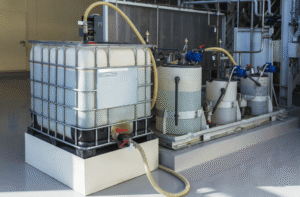
- Employing secondary containers to contain leaks or spills
- Avoiding glass containers in areas where breakage is a risk
- Rotating stock to minimize aging
Personnel handling chemicals must use appropriate personal protective equipment. Gloves, eye protection, and protective clothing reduce exposure risk during storage, transfer, and inspection activities. Personal protective equipment should be selected based on the hazards of the chemicals involved.
How Eastern Technologies, Inc. Supports Proper Chemical Storage

Eastern Technologies, Inc. supports water treatment professionals by providing technical guidance, laboratory services, chemical blending and compliance-focused expertise. ETI does not sell directly to end users. Instead, it serves as a partner to independent water treatment companies and OEMs.
With decades of experience across cooling, boiler, biocide, wastewater, and specialty chemistry, ETI helps partners navigate hazardous material storage challenges confidently. Technical teams provide insight into compatibility, packaging, and handling considerations that support safe storage practices.
ETI’s ISO-certified quality systems and commitment to operational accuracy help ensure chemicals are delivered, packaged, and documented correctly. This partner-first approach allows water treatment professionals to focus on service and growth while relying on a dependable support system behind their business.
Conclusion
Chemical storage is not a static task. It requires ongoing attention, training, and professional oversight. By following established best practices, industrial facilities can reduce hazards, protect personnel, and preserve the integrity of their treatment programs.
For water treatment professionals, strong chemical storage guidance reinforces credibility and strengthens customer relationships. Safe storage protects people, equipment, and long-term operational success.
To learn how Eastern Technologies, Inc. supports water treatment professionals with technical guidance, compliance insight, and reliable chemical handling expertise, contact ETI to speak with their technical team.