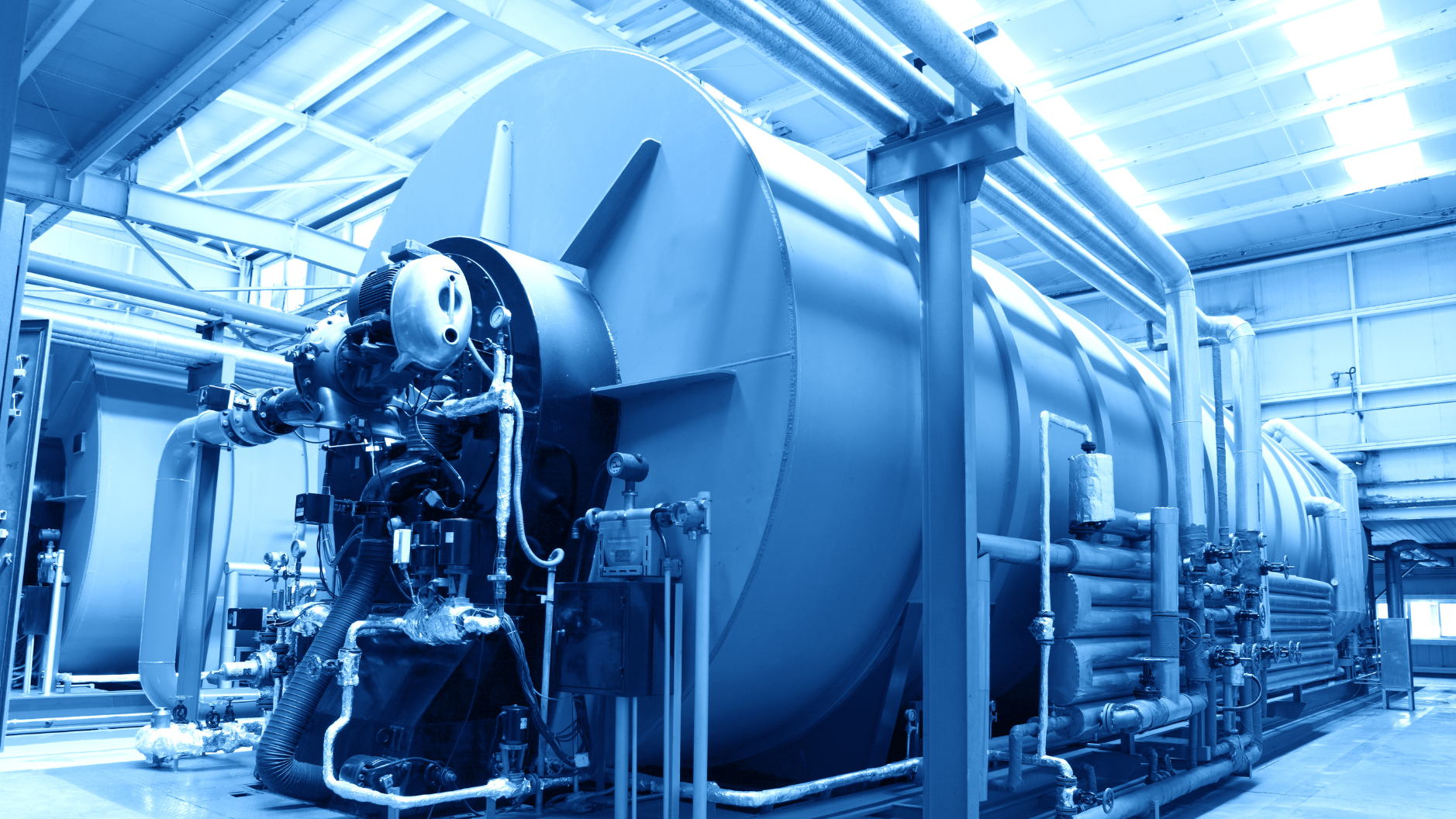
Industrial boilers play a central role in manufacturing, processing, and power generation. Whether producing steam for heat transfer, driving turbines, or supporting other equipment, a boiler system must operate safely and efficiently under demanding conditions. At the core of reliable boiler operation is effective boiler water treatment. Without proper control of water quality, even well-designed systems are vulnerable to efficiency losses, equipment damage, and unplanned outages.
Boiler water is continuously exposed to high temperatures and pressures, which causes impurities in the water to concentrate as steam is generated. Dissolved solids, suspended materials, and dissolved gases can accumulate on boiler surfaces and within the steam system if they are not properly managed. These contaminants directly affect heat transfer, corrosion rates, and overall system stability. As operating pressure increases, the consequences of poor water quality become even more severe.
A structured boiler water treatment program is designed to address these challenges by controlling impurities throughout the system. This includes managing feed water quality, protecting internal surfaces, and maintaining stable operating conditions over time. When applied correctly, boiler water treatment supports safe operation, consistent steam production, and long-term asset protection. Understanding how treatment programs work and why they are essential is the first step toward achieving reliable and efficient boiler performance.
How Industrial Boiler Systems Operate
Industrial boiler systems are designed to convert water into steam that can be used for heating, processing, or power generation. In steam boilers, feed water is heated under controlled conditions until it changes phase and becomes steam. This steam then moves through the steam system to deliver energy to heat exchangers, turbines, or other equipment before condensing and returning to the system.
The basic operating cycle begins with the feed water system, which supplies boiler feedwater from makeup water and returned condensate. As the boiler operates, water is exposed to elevated temperatures and operating pressure. Higher pressures and temperatures allow boilers to produce high quality steam, but they also intensify chemical reactions and concentrate impurities. Because only pure steam leaves the boiler, any contaminants in the boiler feed water remain behind and build up over time.
Heat exchangers within the boiler transfer energy from fuel combustion or another heat source to the water. Clean heat exchange surfaces are essential for efficient operation. When boiler surfaces are free of deposits, heat transfer occurs efficiently and the system can reach maximum efficiency with lower fuel consumption. When deposits form, heat transfer efficiency declines and operating costs increase.
Understanding how boiler systems operate highlights why water quality control is critical. Every stage of steam generating, from feed water introduction to steam delivery, depends on maintaining stable conditions inside the boiler. Without proper management of impurities, the boiler operation becomes less efficient and more prone to mechanical and chemical failures.
Water Quality Challenges in Boiler Water Systems
Water quality challenges are unavoidable in boiler water systems because all natural and treated water contains impurities. These impurities enter the boiler through makeup water and concentrate as the system operates. Without proper control, they can interfere with boiler operation, reduce efficiency, and increase the risk of equipment damage.
Dissolved Solids and Concentration Effects
Dissolved solids include salts and minerals that remain in solution in boiler water. As steam is generated, these dissolved solids become more concentrated because only pure steam leaves the boiler. Elevated levels of dissolved solids increase the risk of foaming, carryover, and deposits on boiler surfaces. Over time, these conditions can reduce heat transfer efficiency and create unstable operating conditions.
Suspended Solids and Particulate Contamination
Suspended solids and suspended materials are particles that do not fully dissolve in water. These may include silt, corrosion byproducts, or organic matter entering through the feed water system. While some suspended solids can be removed through blowdown, others may adhere to internal surfaces, forming deposits that trap corrosive agents and accelerate localized corrosion.
Dissolved Gases and Their Impact
Dissolved gases are another significant water quality concern. Dissolved oxygen enters the system through the water surface of tanks, leaks, or poor deaeration. High dissolved oxygen levels can rapidly corrode metal surfaces in the boiler and feed water system. Carbon dioxide also enters with makeup water and forms acids in the condensate system, contributing to corrosion downstream.
By understanding and addressing these distinct water quality challenges, boiler water treatment programs can be designed to maintain stable conditions and protect critical system components.
Scale Formation and Heat Transfer Loss
Scale formation is one of the most common and costly problems in boiler water systems. It occurs when dissolved minerals in boiler water precipitate out of solution and deposit onto boiler surfaces. These deposits interfere with normal heat transfer and can quickly reduce system efficiency if not properly controlled.
The Role of Calcium and Magnesium
Calcium and magnesium are the primary contributors to scale formation in most boiler systems. These calcium and magnesium ions enter the boiler with makeup water and become more concentrated as steam is produced. Under high temperature and pressure conditions, these minerals lose solubility and form hard, adherent deposits on heat exchange surfaces. Even small amounts of scale can create a significant barrier between the heat source and the boiler water.
Impact on Heat Transfer Efficiency
Scale acts as an insulating layer on heat exchange surfaces, reducing heat transfer efficiency. When heat transfer is reduced, the boiler must consume more fuel to achieve the same steam output. This not only increases operating costs but also places additional thermal stress on boiler materials. Over time, excessive scale buildup can cause overheating of metal surfaces, leading to distortion or tube failure.
Operational Risks and Equipment Damage
As scale thickness increases, the risk of equipment damage rises sharply. Deposits can cause localized hot spots on boiler surfaces, which weaken metal and shorten equipment life. In severe cases, scale formation contributes directly to tube failure and unplanned shutdowns. Preventing scale through proper water treatment, including the use of scale inhibitors and effective control of dissolved solids, is essential for maintaining reliable boiler operation and protecting critical assets.
Corrosion Mechanisms in Boilers and Steam Systems
Corrosion is a major cause of equipment damage in steam boilers and associated steam system components. While scale reduces heat transfer, corrosion directly attacks metal surfaces and weakens boiler materials over time. An effective boiler water treatment program focuses on both prevention and control, especially in areas where oxygen and acidic conditions can accelerate metal loss.
Oxygen-Driven Corrosion and Dissolved Oxygen Control
Dissolved oxygen is one of the most aggressive contributors to corrosion in boiler water systems. Even low dissolved oxygen levels can create rapid pitting on internal surfaces, particularly in the boiler, the boiler feedwater lines, and the feed water system. For this reason, removing dissolved oxygen is a primary objective in most treatment programs.
Common control measures include mechanical deaeration and chemical treatment using oxygen scavengers. Mechanical deaeration reduces dissolved gases by heating water and venting oxygen and carbon dioxide. Oxygen scavengers then react with remaining oxygen to minimize corrosion risk. Together, these approaches help inhibit corrosion and protect critical boiler surfaces under a wide range of operating pressure conditions.
Carbon Dioxide and Carbonic Acid Corrosion in Condensate
Carbon dioxide in the steam system creates a different corrosion challenge. When carbon dioxide dissolves in condensate, it forms carbonic acid, lowering pH and attacking metal surfaces in return lines and other downstream piping. This carbonic acid corrosion is a common issue in systems where boiler condensate return is significant and where pH control is not closely managed.
Proper chemical dosing and pH adjusters are often used to protect condensate lines and minimize corrosion throughout the steam system. Monitoring condensate chemistry is important because corrosion can occur far from the boiler itself and still lead to system-wide reliability issues.
Caustic Corrosion and High-Alkalinity Conditions
Caustic corrosion can develop when high alkalinity conditions exist at the metal surface, often under deposits or in areas of poor circulation. This type of corrosion is more likely in higher pressures and high heat flux regions where concentrating effects occur. It underscores the need for balanced internal treatment, regular control of boiler blowdown, and continuous monitoring to prevent corrosive conditions from forming on internal surfaces.
By controlling dissolved gases, maintaining stable chemistry, and addressing acidic and caustic conditions, treatment programs can protect boiler surfaces, extend equipment life, and support safe operation.
External and Internal Boiler Water Treatment Strategies
Effective boiler water treatment relies on a combination of external treatment and internal treatment methods. Together, these approaches form a complete boiler water treatment program that manages impurities before they enter the boiler and controls conditions within the boiler water systems during operation. Relying on only one strategy leaves gaps that can lead to scale, corrosion, or inefficient operation.
External Treatment and Feedwater Preparation
External treatment focuses on improving boiler feedwater quality before it enters the boiler. Makeup water and feed water often contain dissolved solids, suspended materials, and dissolved gases that must be reduced to protect boiler surfaces. Common external treatment methods include filtration, softening, mechanical deaeration, and reverse osmosis.
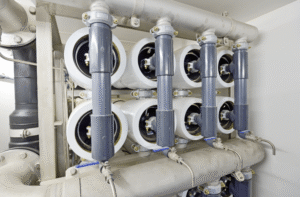
Reverse osmosis is frequently used to remove a high percentage of dissolved solids from boiler feed water. By reducing calcium and magnesium ions, silica, and other remaining impurities, reverse osmosis produces high quality water that places less stress on internal chemical treatment. Properly treated boiler feedwater allows for lower boiler blowdown rates, improved heat transfer efficiency, and more stable boiler operation, especially at higher pressures.
Internal Treatment and Chemical Control
Internal treatment addresses the chemistry inside the boiler itself. Even with high quality feed water, some impurities will enter the system and must be controlled. Internal treatment uses chemical treatment programs designed to prevent scale, inhibit corrosion, and manage sludge formation on internal surfaces.
Typical internal treatment strategies include the use of scale inhibitors, oxygen scavengers, and pH adjusters. These chemicals protect metal surfaces, control calcium and magnesium precipitation, and help minimize corrosion under high temperature and pressure conditions. Chemical dosing must be carefully matched to operating pressure, boiler materials, and overall system design to avoid problems such as caustic corrosion or excessive deposits.
Building a Balanced Treatment Program
A successful boiler water treatment program balances external and internal treatment to achieve efficient operation and safe operation over the long term. External treatment reduces the load of impurities entering the boiler, while internal treatment manages the conditions created during steam generation. When properly coordinated, these strategies support maximum efficiency, lower operating costs, and long-term protection of boiler systems.
Boiler Blowdown, Monitoring, and Control
Even with effective external and internal treatment strategies in place, boiler water chemistry must be actively managed during operation. Boiler blowdown and continuous monitoring are essential tools for controlling dissolved solids, maintaining stable conditions, and supporting efficient operation over time.
Purpose and Types of Boiler Blowdown
Boiler blowdown is the controlled removal of water from the boiler to limit the concentration of dissolved solids and suspended materials. As impurities build up during steam generation, blowdown prevents them from reaching levels that could cause foaming, carryover, or deposits on boiler surfaces.
There are two primary types of blowdown used in boiler systems:
- Bottom blowdown, which removes sludge and heavier suspended solids that settle at the bottom of the boiler
- Continuous or surface blowdown, which removes water from the surface where dissolved solids tend to concentrate
Regular blowdown helps maintain water quality within acceptable limits and protects heat exchange surfaces from fouling and corrosion.
Monitoring and Chemical Control
Effective boiler operation depends on continuous monitoring of key water quality parameters. These may include conductivity, pH, alkalinity, and dissolved oxygen levels. Monitoring allows operators and water treatment professionals to adjust chemical dosing and blowdown rates in response to changing conditions.
Chemical dosing plays a critical role in maintaining control. Proper adjustment ensures that scale inhibitors, oxygen scavengers, and pH control chemicals remain effective without overfeeding. Overdosing can increase operating costs and contribute to unwanted side effects, while underdosing increases the risk of scale formation and corrosion.
Managing Costs and Long-Term Performance
Blowdown and monitoring directly influence operating costs and the total cost of ownership for boiler systems. Excessive blowdown wastes energy, water, and chemicals, while insufficient blowdown allows impurities to accumulate. Finding the right balance supports efficient operation and reduces unnecessary water and energy losses.
By combining regular blowdown with continuous monitoring and responsive control, boiler water treatment programs can maintain stable conditions, extend equipment life, and support reliable steam production across a wide range of operating demands.
Supporting Boiler Water Treatment Programs: The ETI Approach
Effective boiler water treatment programs depend on reliable chemistry, technical expertise, and consistent execution. ETI supports water treatment professionals and OEMs by providing the tools and backing needed to manage industrial boiler systems with confidence, without competing for end-user relationships.
Custom-Blended Boiler Treatment Chemicals
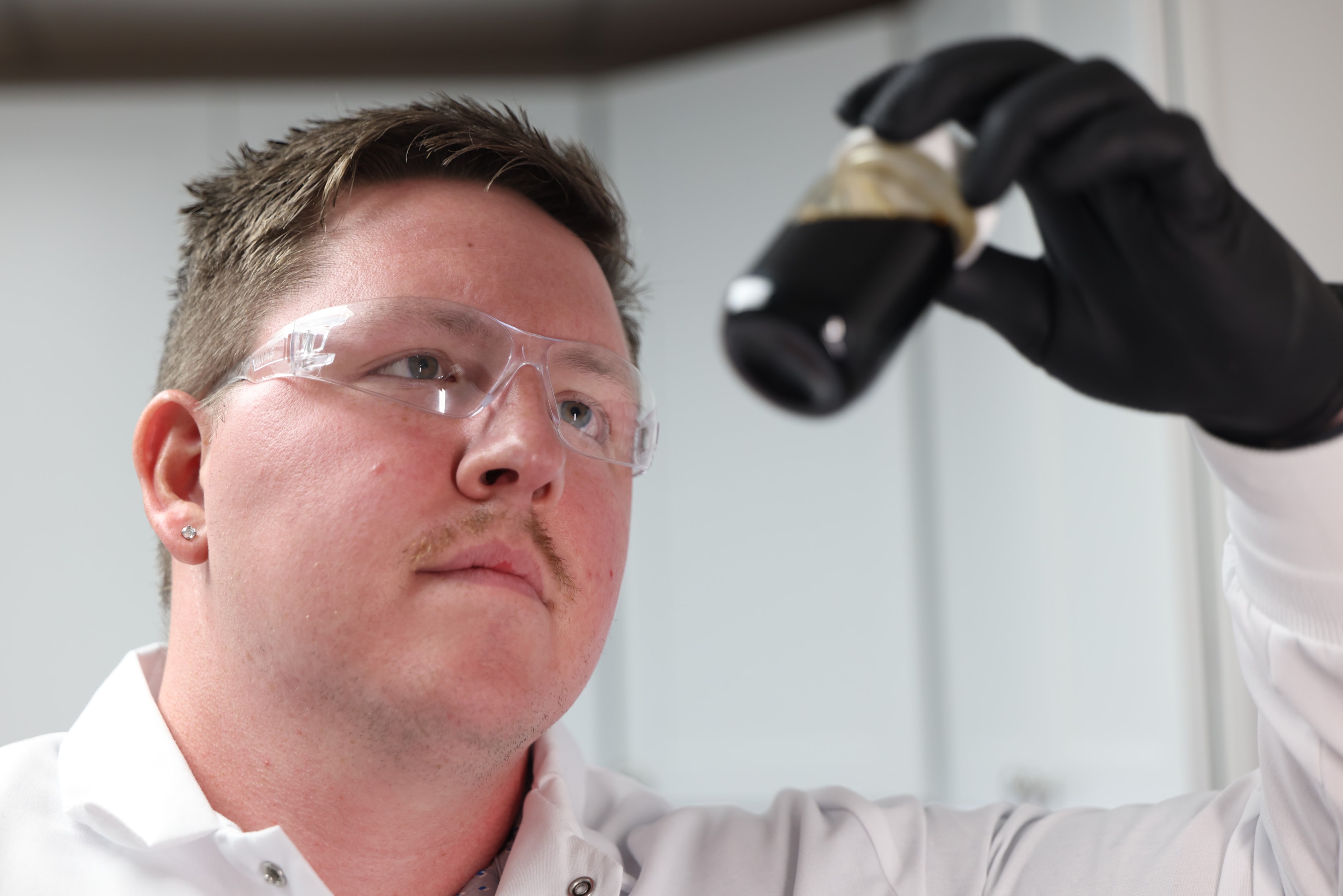
ETI offers a comprehensive line of custom-blended boiler treatment chemicals designed to address the most common and challenging boiler water issues. These formulations are built on decades of research and field experience and are developed to perform consistently across a wide range of boiler water systems.
Key advantages include:
- Premium-grade active ingredients with high purity levels
- Concentrated formulations that reduce shipping and storage demands
- Stable shelf life to support inventory management
- Flexible packaging options tailored to distributor needs
These products are engineered to control scale formation, inhibit corrosion, manage dissolved oxygen, and protect boiler surfaces under varying operating conditions.
Technical Support That Strengthens Treatment Programs
Chemistry alone is not enough to ensure long-term boiler performance. ETI provides technical support that helps water treatment professionals design, apply, and maintain effective boiler water treatment programs.
This support includes:
- Application guides and selection tools for different boiler systems
- Assistance with feedwater optimization and treatment strategy development
- Support for chemical dosing, monitoring, and control
- Troubleshooting support for scale, corrosion, and system upsets
This technical backing allows partners to deliver consistent results while building trust with their customers.
Integrated Water Treatment Capabilities Beyond Boilers
Boiler systems do not operate in isolation. ETI supports integrated water treatment strategies by offering related products and services that complement boiler programs, including:
- Membrane treatments for reverse osmosis and feedwater systems
- Wastewater treatment solutions for blowdown and discharge streams
- Biocides for associated water systems
- VpCI technology for equipment protection during shutdowns and lay-up
- Specialty treatments for unique operational or regulatory needs
This breadth allows water treatment professionals to align boiler water treatment with the broader water system.
A Partner-First Approach to Boiler Water Treatment
ETI operates under a non-compete, partner-first business model. Their role is to enable water treatment companies by providing manufacturing, technical, and operational support behind the scenes. From ISO-certified quality assurance to training resources and technical documentation, ETI helps ensure boiler water treatment programs are reliable, repeatable, and defensible.
To learn more about ETI’s boiler treatment solutions and how they support industrial boiler water treatment programs, visit the Boiler Treatment Solutions page or contact ETI to connect with their technical support team.