Corrosion is a major problem in water treatment because it affects reliability, efficiency, and equipment life in cooling systems, boilers, and heat exchangers. In most operating systems, corrosion occurs when metal is exposed to an aqueous solution containing corrosive agents such as oxygen, dissolved salts, and process contaminants, which drives an ongoing corrosion process and leads to corrosion products that can foul equipment and accelerate damage.
Corrosion inhibitors are one of the most widely used tools for corrosion protection and corrosion control. When selected correctly and supported by monitoring, corrosion inhibitors can help prevent corrosion by reducing corrosion rates and slowing corrosion development on critical surfaces. Drawing on decades of experience supporting water treatment professionals, Eastern Technologies, Inc. approaches corrosion inhibition as a practical, system-specific discipline that connects chemistry, operating conditions, and long-term asset performance.
Understanding Corrosion in Aqueous Water Systems
In water treatment systems, corrosion is fundamentally an electrochemical process that occurs when a metal surface is exposed to an electrolyte solution. Water acts as the medium that allows electrical charge to move between anodic and cathodic sites on the metallic surface. At anodic areas, metal atoms lose electrons and enter the water as metal ions, while cathodic areas consume those electrons through reduction reactions involving oxygen, hydrogen ions, or other species present in the aqueous solution. This imbalance drives the corrosion reaction and results in measurable metal loss.
The corrosion behavior of a system depends on many factors, including water chemistry, temperature, flow conditions, and metallurgy. Dissolved oxygen, chlorides, sulfates, and changes in pH all influence corrosion potential and determine whether corrosion occurs uniformly or in localized forms. As corrosion develops, iron ions and other metal cations combine with oxygen or hydroxide to form corrosion products that can deposit on surfaces and alter heat transfer and flow characteristics.
Over time, corrosion development often accelerates rather than stabilizes. Deposits and surface irregularities create differential aeration cells, shifting corrosion potential and increasing corrosion rates in specific areas. Understanding how corrosion occurs in an aqueous environment provides the foundation for effective corrosion inhibition strategies. By controlling the electrochemical conditions at the metal surface, corrosion inhibitors can disrupt these reactions and reduce the overall rate of corrosion in water treatment systems.
Types of Corrosion Encountered in Water Treatment Systems
Uniform Corrosion
Uniform corrosion is the most common form of corrosion in water treatment systems and occurs when the metallic surface corrodes at a relatively even rate across its entire area. It is frequently observed in carbon steel and mild steel piping, heat exchangers, and vessels exposed to poorly controlled water chemistry. While uniform corrosion is often predictable and easier to monitor, it still contributes to increasing corrosion rates, metal loss, and the gradual formation of corrosion products that reduce system efficiency over time.
Pitting Corrosion
Pitting corrosion is a localized and often more dangerous form of corrosion that develops when small areas on the metal surface become anodic relative to surrounding regions. This type of corrosion is strongly influenced by corrosive agents such as chlorides and can lead to rapid penetration of the metallic surface, even when overall corrosion rates appear low. Pitting is a significant concern in cooling systems and heat exchangers because it can cause unexpected failures and leaks with minimal visual warning.
Galvanic Corrosion
Galvanic corrosion occurs when two dissimilar metals are electrically connected in the presence of an electrolyte solution. The metal with the more negative potential becomes anodic and corrodes preferentially, while the more noble metal is protected. In water treatment applications, galvanic corrosion is commonly observed at connections between copper alloys and carbon steel, making copper corrosion and iron loss ongoing concerns in mixed-metal systems.
Under-Deposit Corrosion
Under-deposit corrosion develops beneath accumulated corrosion products, biofilms, or other deposits that form on heat transfer surfaces. These deposits create localized corrosive environments by restricting oxygen transport and concentrating metal ions, which accelerates corrosion development beneath the surface layer. Under-deposit corrosion is especially problematic in heat exchangers and cooling systems where fouling and poor surface preparation increase the rate of corrosion.
Microbiologically Influenced Corrosion
Microbiologically influenced corrosion results from the activity of microorganisms that alter local chemistry at the metal surface. Certain bacteria produce acidic byproducts or consume oxygen, creating conditions that accelerate corrosion behavior and increase corrosion rates. This form of corrosion is often associated with complex corrosion products and is difficult to control without integrating corrosion inhibitors, biocides, and proper system monitoring.
Fundamentals of Corrosion Inhibition
Corrosion inhibition refers to the intentional use of chemical substances to slow or prevent corrosion in water treatment systems. Corrosion inhibitors work by interfering with one or more steps of the corrosion process, either at the metal surface or within the surrounding aqueous solution. When corrosion occurs, anodic and cathodic reactions operate simultaneously, allowing metal ions to enter solution and drive metal loss. Effective corrosion inhibition disrupts these reactions and reduces the overall rate of corrosion.
Many corrosion inhibitors form a protective layer or protective film on the metallic surface. This film acts as a barrier between the metal and corrosive environments, limiting contact with oxygen, aggressive ions, and other corrosive agents. In some systems, inhibitors form a protective by promoting controlled surface reactions that stabilize corrosion potential and slow corrosion development. The ability of corrosion inhibitors to form a protective film is central to corrosion protection in both cooling systems and boilers.
In practical water treatment applications, corrosion control is not achieved by chemistry alone. The effectiveness of corrosion inhibition depends on water chemistry, metallurgy, system operating conditions, and how well inhibitors are monitored and maintained. Properly applied corrosion inhibitors reduce corrosion rates, support corrosion resistance, and help prevent corrosion-related failures, making them a foundational component of modern water treatment programs.
Types of Corrosion Inhibitors Used in Water Treatment
Anodic Inhibitors
An anodic inhibitor works by shifting the corrosion potential of the metal surface in a positive potential direction, reducing the rate of the anodic reaction where metal dissolution occurs. Common anodic inhibitors used in water treatment include inorganic corrosion inhibitors such as sodium nitrite and sodium molybdate. These inhibitors promote the formation of a stable, passive protective layer on carbon steel surfaces, improving corrosion resistance when properly dosed and monitored. Because underfeeding can increase localized corrosion risk, anodic inhibitors require consistent control to ensure effective corrosion protection.
Cathodic Inhibitors
Cathodic inhibitors reduce corrosion by slowing the cathodic reaction that consumes electrons during the corrosion process. These inhibitors often function by limiting oxygen availability at the metal surface or by forming insoluble compounds that block cathodic sites. Cathodic inhibitors are commonly applied in cooling systems where oxygen-driven corrosion dominates, helping to reduce corrosion rates and stabilize corrosion behavior across varying operating conditions.
Organic Corrosion Inhibitors
Organic corrosion inhibitors typically consist of organic compounds that adsorb directly onto the metal surface and form a protective film. Many organic corrosion inhibitors contain nitrogen, sulfur, or oxygen functional groups that bond with metal cations, creating a barrier that limits further corrosion reaction. Amino acids and other organic compounds are increasingly used because of their anticorrosive properties and compatibility with a wide range of water chemistries.
Inorganic Corrosion Inhibitors
Inorganic corrosion inhibitors rely on mineral-based chemistries that interact with metal ions in solution to form protective layers or precipitates on the metallic surface. Phosphates, molybdates, and silicates are examples commonly used in water treatment. These inorganic corrosion inhibitors are valued for their durability and ability to perform in both alkaline solutions and neutral water environments.
Blended and Synergistic Inhibitor Programs
Many water treatment programs rely on blended formulations that combine organic and inorganic inhibitors to achieve a synergistic effect. By using different inhibitors that act through various mechanisms, blended programs provide more stable corrosion control across changing conditions. The effectiveness depends on system metallurgy, water chemistry, and operating parameters, reinforcing the importance of tailored inhibitor selection.
Performance, Effectiveness, and Evaluation of Corrosion Inhibitors
The performance of corrosion inhibitors is typically measured by their ability to reduce corrosion rates and improve inhibition efficiency under real operating conditions. Corrosion inhibition performance depends on many factors, including water chemistry, temperature, flow, and the presence of corrosive agents. An effective program stabilizes corrosion potential, minimizes metal loss, and limits the formation of corrosion products over time.
Laboratory and field methods are used to evaluate inhibition performance and confirm corrosion control. Techniques such as electrochemical impedance spectroscopy provide insight into protective film integrity and corrosion behavior at the metal surface, while coupon testing and corrosion studies track long-term trends. Because effectiveness depends on system conditions, continuous monitoring is essential to ensure corrosion inhibitors deliver consistent protection in water treatment applications.
Environmental, Regulatory, and Operational Considerations
Selecting inhibitors for water treatment requires balancing corrosion protection with discharge limits, safety requirements, and system operating conditions. In corrosive environments, chemistry must remain compatible with other treatment needs such as scale control, microbiological control, and process constraints. Many facilities also prioritize environmentally friendly options, including plant extracts and other natural sources, when performance and approvals allow.
Operating pH and chemical exposure strongly influence inhibitor selection and anticorrosive properties. In an acidic environment or acid solution, including hydrochloric acid or an HCl solution used during cleaning, organic compounds may be chosen for adsorption-based protection, while inorganic options may be better suited for stable alkaline solutions. Because corrosion behavior changes with pH, temperature, and contaminant load, proper surface preparation after cleaning and careful restart control are essential to maintain corrosion control and reduce corrosion rates.
ETI’s Role in Supporting Effective Corrosion Control Programs
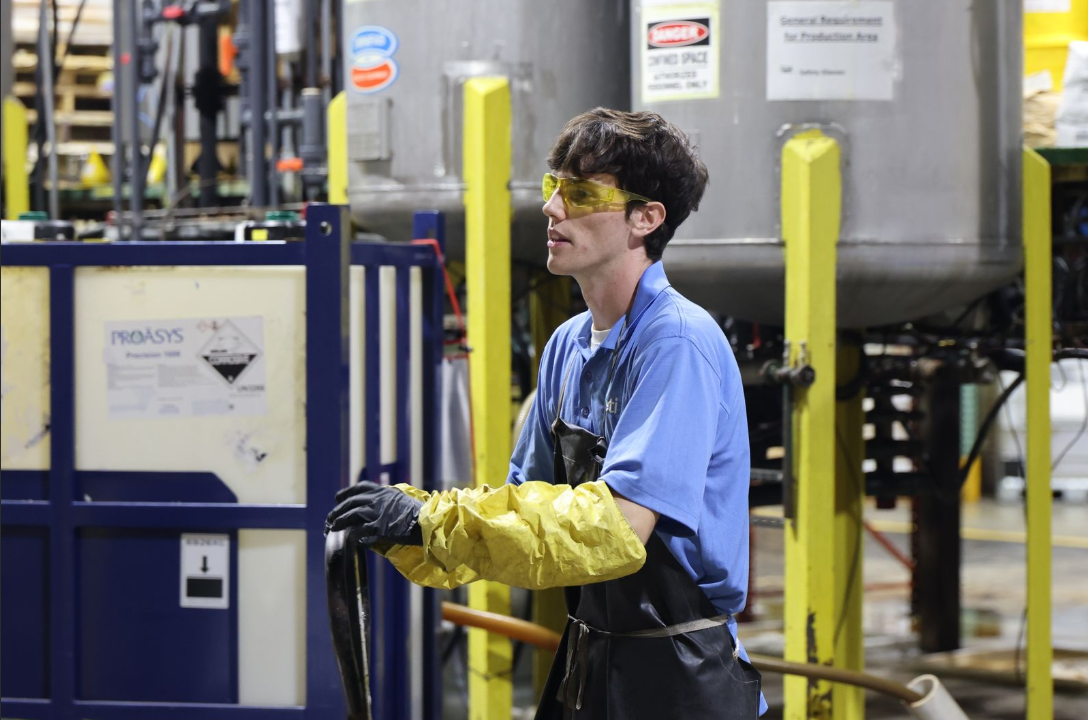
Effective corrosion control requires more than selecting corrosion inhibitors from a catalog. It depends on understanding how inhibitors perform within specific systems, how they interact with water chemistry, metallurgy, and operating conditions, and how they are monitored over time. Eastern Technologies, Inc. supports independent water treatment professionals by providing technical expertise, formulation flexibility, and application insight focused on long-term corrosion protection rather than short-term chemical dosing.
ETI’s experience spans cooling systems, boilers, closed loops, and specialty applications where corrosion resistance is critical. By supporting multiple inhibitor chemistries and various mechanisms of action, ETI helps partners evaluate inhibitors based on system-specific corrosion behavior and performance requirements. This approach allows corrosion inhibitors to be integrated into broader water treatment programs that balance corrosion control, operational reliability, and regulatory considerations.
Through technical support, laboratory resources, and custom formulation capabilities, ETI assists partners in addressing corrosion challenges as part of a managed system strategy. This collaborative, behind-the-scenes support model reflects ETI’s role as a trusted resource for water treatment professionals seeking reliable corrosion protection solutions without compromising their customer relationships.
To learn more about ETI’s technical capabilities and support resources, visit the Eastern Technologies, Inc. website or connect through the distributor portal.