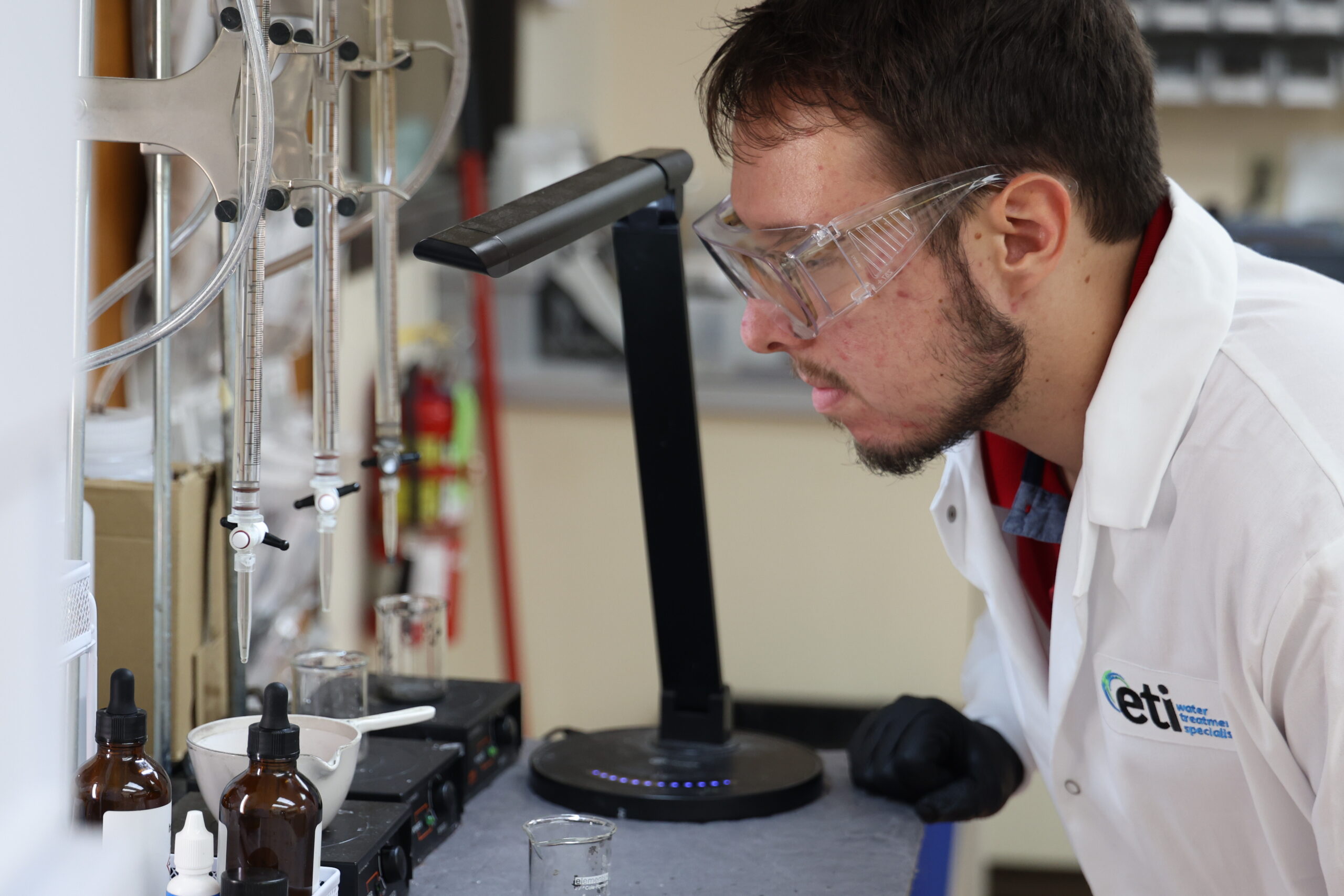
Industrial operations rely on water systems to support cooling, heating, processing, and sanitation. Without proper treatment, water can carry harmful contaminants that reduce efficiency, damage equipment, and compromise safe water conditions across facilities. This is where water treatment chemicals play an essential role in modern water treatment programs.
In industrial environments, untreated water may introduce scale, corrosion, and bacteria that interfere with system performance and increase maintenance costs. Chemical treatment helps control these risks by improving water quality, protecting assets, and supporting consistent operations. From large manufacturing plants to commercial and municipal applications, effective treatment strategies are necessary to maintain reliable water systems and meet operational goals.
Understanding how chemical treatment works, and why it is critical, provides a foundation for selecting the right solutions for industrial water treatment needs.
Why Industrial Water Systems Require Chemical Treatment
Industrial water systems operate under demanding conditions that can accelerate wear and reduce efficiency if left unmanaged. As water circulates through boilers, cooling systems, and process equipment, it naturally carries dissolved minerals, suspended solids, and microorganisms. Over time, these elements can lead to scale formation, corrosion, and the growth of bacteria within pipes and heat exchange surfaces.
Scale reduces heat transfer efficiency and increases energy costs, while corrosion can weaken pipes and shorten equipment life. Microbial activity creates fouling that interferes with system performance and complicates routine maintenance. In many industrial systems, these issues can disrupt operations and increase the risk of unplanned downtime.
Chemical water treatment addresses these challenges by controlling mineral precipitation, limiting corrosion, and managing biological activity. When applied correctly, treatment programs allow systems to operate efficiently, protect critical infrastructure, and control long-term operating costs while supporting reliable industrial operations.
Core Categories of Water Treatment Chemicals
Industrial water treatment programs rely on a wide array of chemicals designed to address specific challenges within water systems. Each category plays a distinct role in protecting equipment, improving efficiency, and maintaining consistent water quality. Understanding how these treatment chemicals function helps operators select the right approach for their applications.
pH Control and Alkalinity Adjustment
Maintaining proper pH is critical for the stability and performance of industrial water systems. Water that is too acidic or too alkaline can become highly corrosive, increasing the risk of metal loss and system damage. pH adjustment and alkalinity adjustment chemicals help stabilize water chemistry and reduce these risks.
Common products used for pH control include sodium hydroxide and soda ash. Sodium hydroxide is often applied to raise pH in low-alkalinity systems, while soda ash provides both pH correction and buffering capacity. Proper control of pH supports downstream treatment processes and protects system components from accelerated corrosion.
Corrosion and Scale Control Chemicals
Corrosion inhibitors and scale control chemicals are used to protect metal surfaces and prevent mineral buildup within water systems. These products form protective films on metal surfaces, reducing the interaction between water and materials such as iron and steel. Scale inhibitors help control the precipitation of minerals that contribute to scale formation and operational inefficiency.
By managing corrosion and scale, treatment programs help extend equipment life and reduce the likelihood of unplanned maintenance or repairs. These chemicals are essential for maintaining stable system performance under varying operating conditions.
Coagulation and Clarification Chemicals
Coagulation and clarification chemicals are commonly used to remove suspended solids and improve water clarity. Coagulants such as ferric chloride and ferric sulfate neutralize particle charges, allowing contaminants to bind together and form larger particles. These particles can then be removed through sedimentation or filtration.
Effective coagulation supports the removal of harmful contaminants and improves the overall effectiveness of downstream treatment processes. This approach is widely used in industrial pretreatment and wastewater applications where consistent water quality is required.
Disinfection and Microbial Control in Industrial Water
Microbiological growth presents a significant challenge in industrial water systems, where warm temperatures and nutrient availability can encourage the growth of harmful bacteria. Left untreated, bacteria can form biofilms that reduce heat transfer efficiency, contribute to corrosion, and interfere with system operation. Disinfection is therefore a critical component of effective water treatment programs.
Many industrial applications rely on chemical disinfectants that act as an oxidizing agent to control microbial activity and sanitize water systems. Chlorine is one of the most widely used options, valued for its ability to disinfect water quickly and effectively. Sodium hypochlorite is commonly applied in liquid form, while chlorine dioxide is often selected for its effectiveness across a broader pH range and its ability to penetrate biofilms.
Hydrogen peroxide is also used in certain applications where rapid oxidation and minimal residual impact are desired. These treatment chemicals help control harmful bacteria, limit biofouling, and support stable system performance. Proper selection and monitoring ensure disinfection methods remain effective while aligning with operational and safety requirements.
Wastewater Treatment Chemicals and Process Support
Industrial operations generate wastewater that often contains suspended solids, dissolved metals, and organic compounds requiring treatment before discharge or reuse. Wastewater treatment programs rely on carefully selected chemicals to support efficient processing and regulatory compliance. These treatment steps help protect downstream systems and reduce environmental impact.
Common wastewater treatment chemicals include coagulants, flocculants, and precipitation agents that aid in the removal of contaminants. Chemical treatment supports sedimentation and clarification processes, allowing solids to separate from water more effectively. In addition, odor control chemicals may be used to manage odors associated with industrial wastewater and biological activity.
Regulatory compliance plays a central role in wastewater treatment planning. Facilities must meet discharge limits established by municipal authorities and the EPA. Proper chemical selection and process control help industrial operators achieve consistent results while maintaining compliance and supporting efficient wastewater management.
How Eastern Technologies, Inc. Supports Industrial Water Treatment Programs
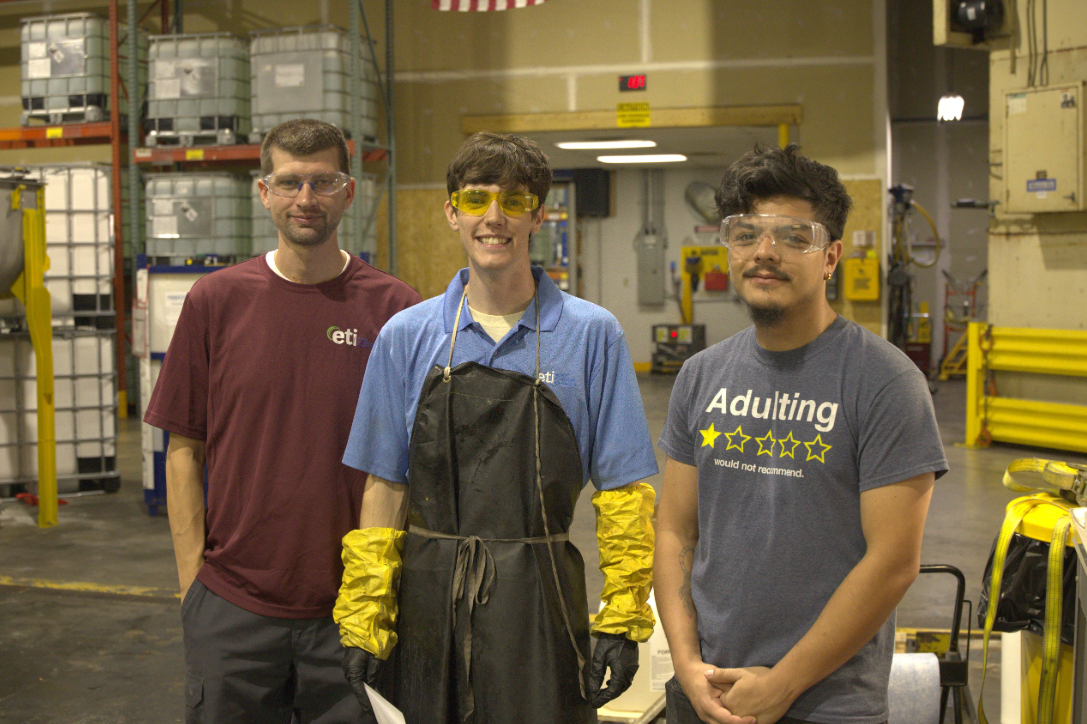
Eastern Technologies, Inc. (ETI) supports industrial water treatment professionals by providing access to a comprehensive portfolio of treatment chemicals and technical services. With decades of industry experience, ETI works behind the scenes to help partners develop effective chemical programs for cooling systems, boilers, process water, and wastewater applications.
For thorough information, read our blog: Inside the Lab: Understanding the Fundamentals of Chemical Blending Services
ETI’s capabilities extend beyond product supply to include formulation support, regulatory guidance, and application-focused technical assistance. This approach allows water treatment professionals to deliver reliable solutions tailored to their customers’ systems while maintaining compliance and performance standards.
Learn more about ETI’s cooling tower and boiler water treatment chemicals, as well as technical support services by visiting their services page or contact ETI directly to discuss how expert support can strengthen your water treatment program.